

Japan Travel Internet 2026: eSIM or Physical SIM — Which One Is Better?
Dec
International travel to Japan continues to surge as tourism fully rebounds in 2026. With Japan hosting numerous cultural events, technological exhibitions, and new regional festivals, the number of inbound visitors is nearing pre-pandemic highs. Alongside this growth, the demand for reliable mobile internet access has become more crucial than ever.
Internet connectivity is essential for the modern traveler. From using Google Maps to find hidden izakayas and translating complex train schedules, to making cashless payments and booking last-minute bullet train tickets, being offline in Japan can turn a smooth trip into a stressful ordeal.
For tourists, the two main options for achieving this essential connectivity are the traditional local physical SIM card and the increasingly popular eSIM.
This article will provide a comprehensive, side-by-side comparison of eSIM vs physical SIM Japan for travelers visiting in 2026. By reviewing cost, setup, coverage, flexibility, and real-world practicality, this guide will help travelers decide which option suits their needs.
1. What Is an eSIM and How Does It Work in Japan?
a. Definition
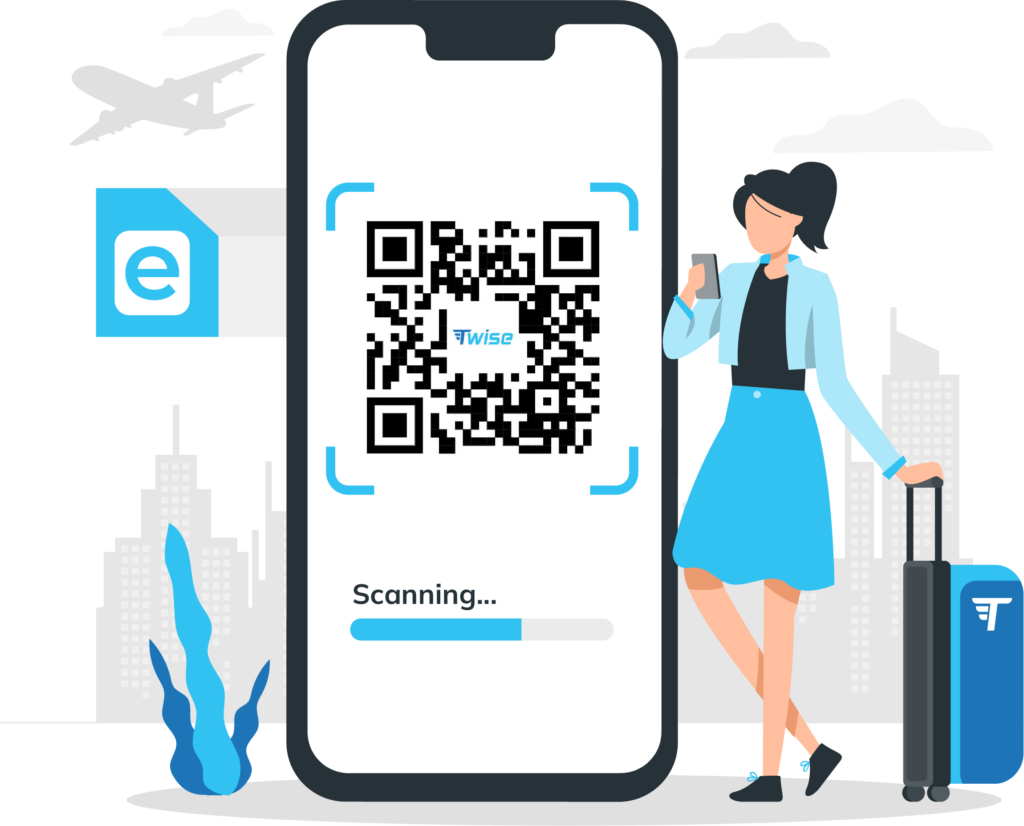
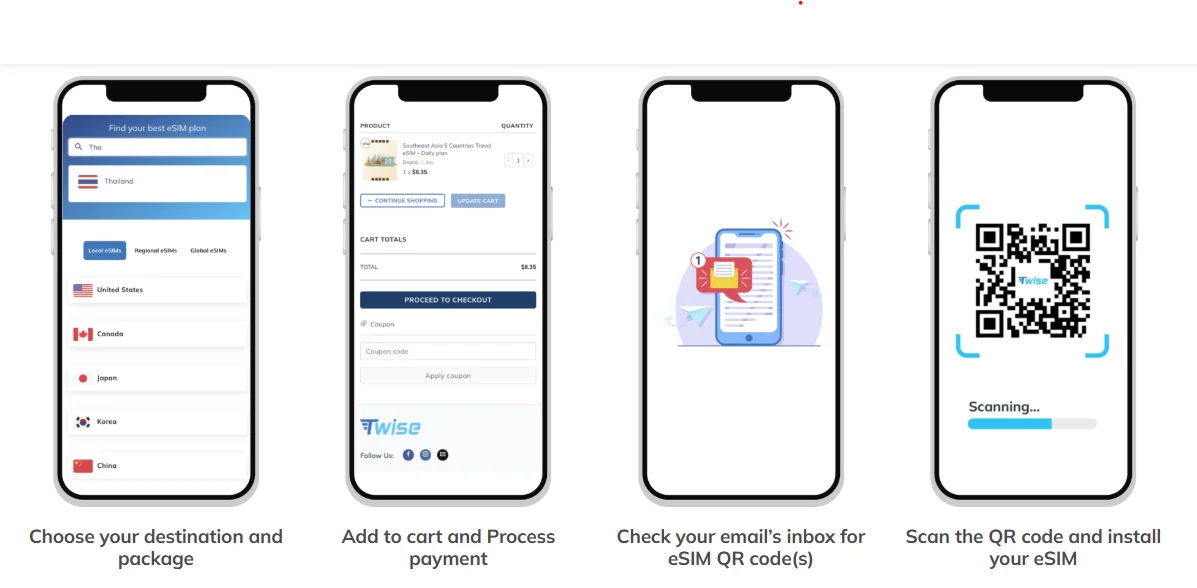
An eSIM (embedded SIM) is a digital SIM built directly into your smartphone, tablet, or smartwatch. Instead of inserting a physical SIM card, you install a mobile plan digitally by scanning a QR code.
b. Key Advantages
- In the context of eSIM vs physical SIM Japan, eSIM technology offers several practical advantages, including the absence of a physical card, the ability to activate a plan before arriving in Japan, and the flexibility to store multiple mobile plans on a single device.
c. Device Compatibility
As of 2026, eSIM compatibility is widely supported across most modern devices, including
- iPhone XR and newer
- Samsung S20 and newer
- Google Pixel 4 and newer
- Most recent Huawei, Motorola, and OPPO models
This broad compatibility means that most travelers can install a Japan eSIM anytime and enjoy seamless connectivity without the hassle of purchasing or replacing a traditional SIM card.
2. What Is a Japan Physical SIM Card?
a. Definition
Physical data SIM cards remain available for purchase at vending machines in airports or major electronics retailers such as Bic Camera and Yodobashi Camera. The SIM is embedded in your device, eliminating the need to manage additional items.
b. What’s needed
Using a physical SIM typically involves:
- Physical installation
- Sometimes passport verification
c. Common Providers
Physical SIMs for tourists in Japan often operate on the three major domestic networks: NTT Docomo, SoftBank, AU by KDDI
Read more:
3. eSIM vs Physical SIM Japan: Direct Feature Comparison
a. Setup
- eSIM: Can activate instantly online before landing Japan.
- Physical SIM: Requires visiting a kiosk or waiting for a delivery if ordered online. Manual installation and identity verification may extend setup time.
b. Convenience
- eSIM: No need for SIM tools or handling tiny plastic cards. Ideal for travelers who prefer a seamless, digital-only solution.
- Physical SIM: Requires removing the existing SIM. There is a risk of losing the home SIM card while traveling.
c. Price
- eSIM: Pricing is highly competitive, especially from digital providers like Twise. Most data-only tourist plans start from USD $4 for a short-term, small data package.
- Physical SIM: Airport kiosks and rental services tend to have higher overheads, often resulting in slightly higher prices for comparable plans.
d. Connectivity Quality
- Both eSIM and physical SIM use major networks like AU, Docomo, SoftBank
e. Flexibility for Multi-Country Trips
- eSIM: eSIM allows multiple profiles
- Physical SIM: Need new physical card per country
f. Risks
- eSIM: Non-transferable if phone is not compatible
- Physical SIM: Can be easily lost, damaged or misplaced
4. Why Many Travelers Now Prefer eSIM in 2026
a. Growth in Adoption
Most recent market insights and travel community discussions indicate that 70–80% of international travelers to Japan now choose eSIMs for their trips. Digital SIM usage has grown sharply due to convenience and increased smartphone compatibility.
b. Supports Efficient Pre-Trip Planning
Forget fumbling with tiny physical cards. Twise uses simple, modern activation methods: a quick QR code scan or an automatic eSIM setup process, getting you connected within minutes of purchase.
c. Japan’s Shift To Digital
Japan’s rapid shift toward digital services has made reliable mobile connectivity an essential part of everyday travel.
From cashless payment apps and digital transport navigation to online bookings and real-time language translation tools, travelers increasingly depend on constant internet access to navigate daily activities.
d. No ID complications
Many physical SIMs require verification under Japanese telecom laws. eSIMs designed for travelers typically avoid these requirements, streamlining the process.
5. When a Physical SIM Might Still Be Better
Despite the strong advantages of eSIMs, physical SIMs remain suitable for certain situations.
a. Older or Locked Phones
Travelers using older smartphones or devices without eSIM capability must rely on physical SIMs, and phones locked to specific carriers may not support international eSIM plans at all.
b. Need for a Japanese Phone Number
In addition, some travelers require a Japanese phone number for calls, SMS, or local services; however, tourist eSIM plans with voice features are limited and often require in-person registration, making physical SIMs a more practical solution in these cases.
c. Long-term stays
Physical SIMs can also be advantageous for long-term stays in Japan. Students, remote workers, and residents staying for three to twelve months may benefit from traditional mobile contracts, which often provide better value and stability over extended periods.
6. Best Japan eSIM Recommendation (Twise)
a. Why Twise?
Twise has become a popular choice among international travelers due to its fully digital setup and user-friendly purchasing process. Travelers can:
- Instant online activation before arrival
- 100% digital purchasing
- Data-only plans for short or long trips
b. Network Reliability
Powered by 3 major Japanese networks:
- KDDI has the strongest early 5G adoption
- SoftBank offers fast 5G in urban areas
- Docomo has wide 4G and expanding 5G
c. Pricing Examples
When comparing options in the eSIM vs physical SIM Japan landscape, Twise emerges as a practical and flexible choice for travelers seeking reliable connectivity with minimal setup.
- Twise Japan eSIM plans are designed to balance affordability and performance, with pricing starting from around $4
- Multiple validity options ranging from 5 to 60 days.
d. Ideal For
- Twise eSIM solutions are particularly well suited for tourists, business travelers, and last-minute travelers who need instant activation.
- Unlike physical SIM cards that require in-store purchase and identity verification, Twise eSIMs can be activated online within minutes via QR code, making them ideal for travelers who prioritize speed, convenience, and seamless connectivity.
7. Side-by-Side Comparison Table
| Feature | eSIM Japan | Physical SIM Japan |
| Activation | Online, instant | In person, takes time to delivery if buying online |
| Install | Digital | Physical removal/replacement |
| Cost | Usually cheaper | Slightly higher at airport kiosks |
| Phone Number | Limited availability | More available but requires ID |
| Reliability | Major carriers | Uses major carriers |
8. How to Choose: Quick Decision Guide
Choose an eSIM if:
- An eSIM is the ideal option if your smartphone supports eSIM technology.
- You want instant setup without visiting a store, and you do not require a local Japanese phone number.
- With fast online activation and flexible plans, eSIMs offer a convenient and modern solution for most travelers.
Choose a Physical SIM if:
- On the other hand, a physical SIM may be more suitable if your device does not support eSIM functionality.
- Having a Japanese phone number is essential for calls, SMS, or local services.
- While physical SIM cards can still meet specific needs, they often require in-store purchase and additional verification.
Conclusion
As of 2026, eSIM has become the most practical and efficient connectivity solution for most tourists visiting Japan. In the ongoing debate of eSIM vs physical SIM Japan, eSIM stands out for its instant activation, cost-effectiveness, and ability to be installed before arrival, making it the preferred choice for modern travelers who value convenience and flexibility.
Physical SIM cards still play an important role for travelers who require voice services, plan long-term stays, or use older devices that are not compatible with eSIM technology. However, for the majority of short-term visitors, the benefits of eSIMs—especially those offered by providers like Twise—clearly outweigh their limitations in terms of speed, simplicity, and overall user experience.
By assessing your device compatibility, travel duration, and desired level of convenience, you can confidently determine the best option in the esim vs physical sim japan comparison and choose the right mobile internet solution for your Japan trip in 2026.
Twise’s customer support is available 24/7 to assist you. You can contact them through the official channels below for immediate help:
- Facebook Fanpage: Twise
- Email: [email protected]
- WhatsApp: (+1) 818-915-0777
