

eSIM for USA tourist vs SIM Card vs Wi-Fi Pocket: Which Is Better?
Nov
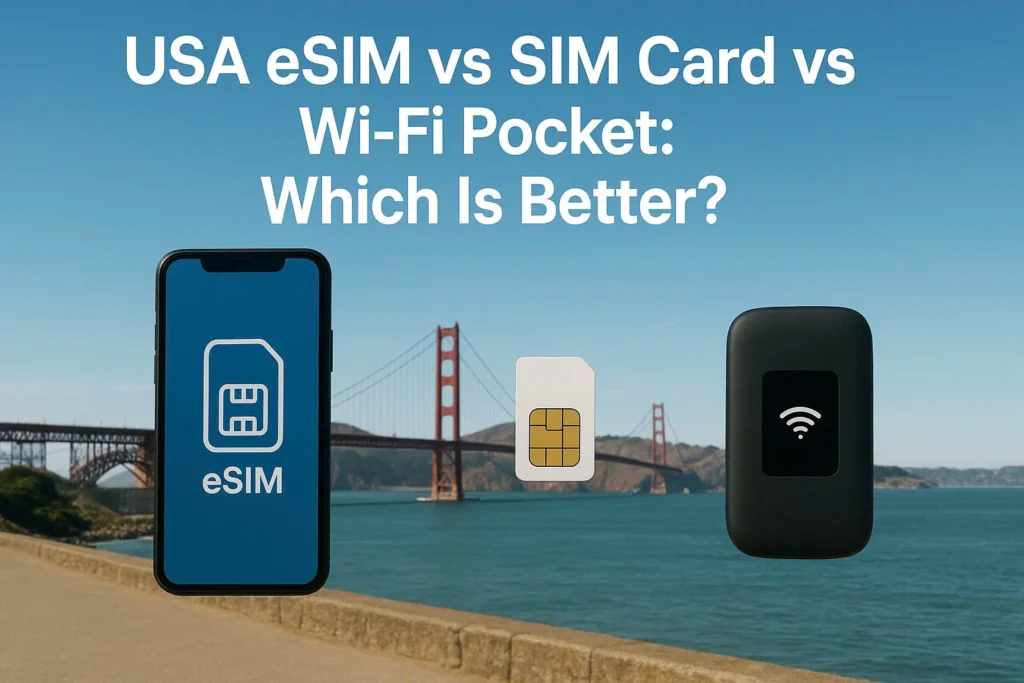
When planning a trip to the United States, securing reliable and cost-effective internet connectivity is an essential step for every traveler. For many international visitors, choosing the right solution—especially an eSIM for USA tourist—can significantly improve convenience and overall travel experience. Today, travelers can choose from several options, including physical SIM cards, Pocket Wi-Fi devices, and digital eSIM solutions, each offering different benefits in terms of cost, speed, and ease of use.
Traditional physical SIM cards often require in-store purchases or delivery, while Pocket Wi-Fi devices allow shared connectivity but involve carrying extra hardware and managing battery life. In contrast, digital eSIMs eliminate the need for physical cards or devices, making them an increasingly popular solution among global travelers.
For modern travelers who prioritize convenience and flexibility, an eSIM for USA tourist stands out as a practical and efficient choice. With instant activation, no physical installation, and reliable connectivity across major U.S. networks, eSIMs provide a seamless way to stay connected throughout the journey, from arrival to departure.
A Comparison of Connectivity Options
| Type | Pros | Cons |
| eSIM | Instant activation (no physical swap) | Requires eSIM-compatible and unlocked phone |
| Affordable prepaid plans and flexible durations | No physical backup SIM slot | |
| Data eSIMs support multiple networks (e.g., connect automatically to T-Mobile, AT&T, etc.)
Local eSIMs (T-Mobile, AT&T) offer stable coverage and local call/SMS features |
||
| Ideal for short or solo trips | ||
| Physical SIM | Widely available in local stores | Requires physical swapping |
| Works with almost all unlocked phones (no compatibility concerns) | Risk of losing or damaging SIM | |
| May need ID registration | ||
| Pocket Wi-Fi | Connect multiple devices (laptops, tablets, phones) | Daily rental fees ($5–10/day) |
| No need to change phone settings | Can be costly for solo travelers | |
| Requires charging and carrying a device | ||
| Limited battery life |
For most visitors, an eSIM for USA tourist strikes the best balance of price, speed, and convenience, especially for short-term visitors and digital nomads who prioritize instant, high-speed internet access.
Who Should Use What
a. eSIM – For tech-savvy travelers and digital nomads
Read more: The Pre-Flight eSIM Setup Guide
A physical SIM card is better suited for travelers staying in the U.S. for two months or longer, particularly if you need a local phone number for calls, texts, or two-factor authentication (e.g., banking apps).
These SIMs are easy to find at local convenience stores, airports, or carrier outlets. However, setup takes longer, and you’ll need to replace your existing SIM card.
Recommended brands: Twise eSIM USA, T-Mobile Tourist eSIM.
b. Physical SIM – For long-term students or expats
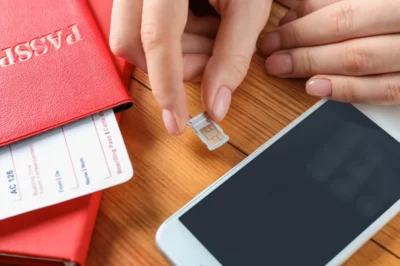
A physical SIM card is better suited for travelers staying in the U.S. for two months or longer, particularly if you need a local phone number for calls, texts, or two-factor authentication (e.g., banking apps).
These SIMs are easy to find at local convenience stores, airports, or carrier outlets. However, setup takes longer, and you’ll need to replace your existing SIM card.
c. Pocket WiFi – For group or family trips
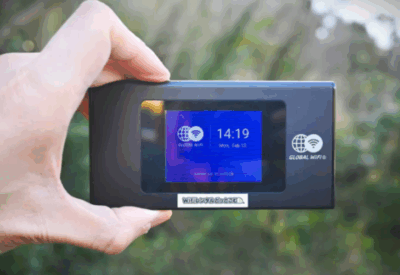
Pocket WiFi is a good option for families or groups traveling together. It allows multiple devices: smartphones, tablets, laptops – to share one connection.
However, Pocket WiFi rentals can be expensive due to daily fees and data limits. Battery life is also limited, and speeds tend to drop when several users connect simultaneously.
Real-Life Performance Comparison
To provide an objective evaluation of connectivity solutions in the United States, real-world testing was conducted across multiple major cities and devices. This comparison focuses on network reliability, speed, and overall user experience under typical travel conditions.
a. Testing Environment:
Locations: Los Angeles (California), New York City (New York), and Las Vegas (Nevada). These locations were selected to represent diverse urban environments with high network demand, making them ideal for assessing real-life performance.
Devices: Multiple devices and connectivity solutions were used in the tests to ensure balanced and practical results.
- An iPhone 15 equipped with a Twise eSIM running on the T-Mobile network was used to evaluate eSIM performance.
- An unlocked Samsung Galaxy smartphone with an AT&T prepaid SIM card represented traditional physical SIM usage.
- A Skyroam Pocket WiFi device was included to assess shared connectivity performance compared to mobile SIM and eSIM options.
b. Average Download Speed Results
| Option | Los Angeles | New York | Las Vegas |
| eSIM (Twise – T-Mobile network) | 340 Mbps | 310 Mbps | 295 Mbps |
| Physical SIM (AT&T Prepaid) | 290 Mbps | 260 Mbps | 240 Mbps |
| Pocket WiFi (Skyroam) | 80 Mbps | 100 Mbps | 70 Mbps |
c. Observations
eSIMs: eSIM solutions delivered the fastest and most consistent performance during real-world testing, particularly when connected to 5G networks from major carriers such as T-Mobile. The combination of modern network infrastructure and direct device integration allowed eSIMs to provide stable speeds and low latency across major urban areas.
Physical SIMs: Physical SIM cards demonstrated slightly lower speeds compared to eSIMs but offered marginally better reliability in very rural or remote locations outside major cities. This is largely due to broader legacy network coverage in less densely populated areas, where 5G availability may be limited.
Pocket Wi-Fi: Pocket Wi-Fi devices consistently showed slower performance compared to both eSIM and physical SIM options. This was mainly due to shared bandwidth among multiple users, hardware limitations of the device’s modem, and speed caps often imposed by rental providers.
Cost Efficiency Comparison
| Option | Duration | Approx. Cost | Cost per GB | Best For |
| eSIM (Twise USA 10GB Plan) | 30 days | $20 | $2.0 / GB | Solo travelers |
| Physical SIM (AT&T 15GB) | 30 days | $45 | $3.0 / GB | Long-term users |
| Pocket WiFi Rental | 7 days | $50 | $7.1 / GB | Groups (3–5 people) |
Conclusion
Choosing the right connectivity option depends on your travel needs:
- eSIM: For short-term travelers, digital nomads, and tech-savvy users, eSIM is often the most practical option. It provides quick setup, affordable data plans, and strong 5G coverage without the need for a physical SIM card.
- Physical SIM: Physical SIM cards are better suited for long-term stays, such as students or expats planning to remain in the U.S. for more than two months. They often include a local phone number and may offer more traditional calling and messaging features, making them ideal for users who require deeper integration with local services.
- Pocket WiFi: Pocket Wi-Fi devices are a convenient choice for families or groups traveling together, as they allow multiple devices to share a single internet connection. However, performance may vary depending on device limitations and network conditions.
Before traveling to the United States, it is recommended to compare coverage, pricing, and features across different eSIM providers.
Related Articles:
Buying eSIMs USA Online: Tips to Avoid Risks and Save Money
Prepaid eSIMs for USA Travel: Affordable, Fast 4G/5G, Nationwide Coverage
Best eSIMs for the USA in 2025: Stay Connected Anywhere
FAQs:
- How does Twise work?
Twise offers digital eSIMs that let you connect to mobile networks without needing a physical SIM card. Just purchase a plan on the Twise website, install it on your compatible device, and start using data right away. - How do I activate a USA eSIM from Twise?
Activation steps vary depending on the eSIM type:
- Local eSIMs (e.g., T-Mobile or AT&T): These plans include calls and SMS within the USA. During checkout, enter your EID and IMEI. Once activation is complete on your selected start date, your eSIM will automatically be delivered to your device via push notification before 9:00 AM (GMT-7).
- Roaming eSIMs (data-only): After payment, Twise instantly emails your eSIM QR code. Scan it with your phone to install, then enable data roaming to start using your plan.
- Can I recharge or top up my USA eSIM from Twise?
Currently, Twise doesn’t support top-ups. If you need more data or your trip is extended, you can simply purchase another eSIM plan anytime. - What if my Twise eSIM isn’t working?
If you experience any issues, Twise’s support team is available 24/7 to help you. You can reach them through:
- Facebook Fanpage: Twise
- Email: [email protected]
- WhatsApp: (+1) 818-915-0777
