Tiếng Việt
Vietnam now runs on seamless mobile data — Grab rides booked in seconds, Google Maps threading Hội An’s ancient lanes, Google Translate decoding menus in real time. The Vietnam eSIM is no longer a convenience. For most travelers, it is the operational backbone of the entire trip. The question is not whether to use one — it is which network, and which plan scope, best matches your itinerary.
Vietnam’s Mobile Landscape: Mobifone – Strong Urban 5G and Reliable 4G for Main Tourist Routes
Vietnam’s mobile market is led by three major carriers: Viettel, VinaPhone and MobiFone. MobiFone is a state-owned telecommunications operator with a long-established network across the country. It officially launched commercial 5G service in March 2025, becoming Vietnam’s third operator to introduce a nationwide commercial 5G offering.

MobiFone is best positioned for travelers following Vietnam’s established city, coastal and tourism routes. Its 5G deployment focuses on densely populated areas, commercial districts and locations where mobile-data demand is high. Outside those zones, travelers should expect the phone to use 4G rather than continuous 5G.
| 5G
Commercial service launched in 2025 |
2.5 million+
5G users reported by MobiFone |
Up to 1.5 Gbps
Advertised peak speed under ideal conditions |
4G/5G
Strongest fit for cities and tourism hubs |
MobiFone reports that its 5G network can reach peak speeds of up to 1.5Gbps and had attracted more than 2.5 million users as its coverage expanded across Vietnam. These are network-level figures rather than guaranteed traveler speeds. Actual performance depends on the destination, phone model, congestion and whether the selected travel eSIM is allowed to use MobiFone 5G.
Mobifone Coverage Across Vietnam’s Top Destinations
MobiFone provides a broad 4G network across Vietnam, supported by an expanding commercial 5G rollout. Its strongest travel use case is in large cities, airports, coastal destinations and established tourism centres.
The ratings below are practical planning estimates rather than guaranteed coverage scores. MobiFone provides an official coverage map, but signal at a specific address still depends on terrain, buildings, network congestion, phone compatibility and the access permitted by the selected eSIM.
| Hanoi
Capital City ★★★★★ MobiFone provides 5G and 4G service across major parts of Hanoi, including central districts, commercial areas and the main airport-to-city corridor. |
Hồ Chí Minh City
Southern Hub ★★★★★ Hồ Chí Minh City is one of MobiFone’s strongest network environments. Travelers can expect 5G or 4G across central districts, major business areas and the Tân Sơn Nhất Airport corridor. |
| Hội An
Heritage Town ★★★★ Primarily 4G MobiFone 4G is the safer planning baseline in Hội An Ancient Town and established accommodation areas toward An Bàng and Cửa Đại. |
Đà Nẵng
Central Coast City ★★★★★ 5G / 4G MobiFone offers 5G and 4G connectivity across major parts of Đà Nẵng, including the city centre, airport corridor and popular coastal areas. |
| Sapa / Lào Cai
Mountain Town ★★★ MobiFone can provide practical 4G service in Lào Cai city, Sapa town and around major hotels, restaurants and tourism facilities. |
Hà Giang Loop
Remote Highland Route ★★★ 4G in Towns — Variable Between Stops MobiFone may provide usable 4G in populated locations such as Hà Giang city, Quản Bạ, Yên Minh and Đồng Văn. |
| Phú Quốc
Island — South ★★★★ MobiFone has deployed 5G service in Phú Quốc, making it a practical option around populated areas, the international airport and major tourism zones. |
Côn Đảo
Remote Island ★★★ MobiFone should be described primarily as a 4G option on Côn Đảo. Service is most likely to be useful around Côn Sơn town, the airport and established accommodation areas. |
Three Twise eSIM Plans Compared: Finding the Right Fit for Your Itinerary
Twise offers three plan types for travelers visiting Vietnam, each designed for a distinct traveler profile. The underlying network quality — Mobifonel in Vietnam — is consistent across all three. What differs is geographic scope, data sizing, and the kind of itinerary each plan is built to support.
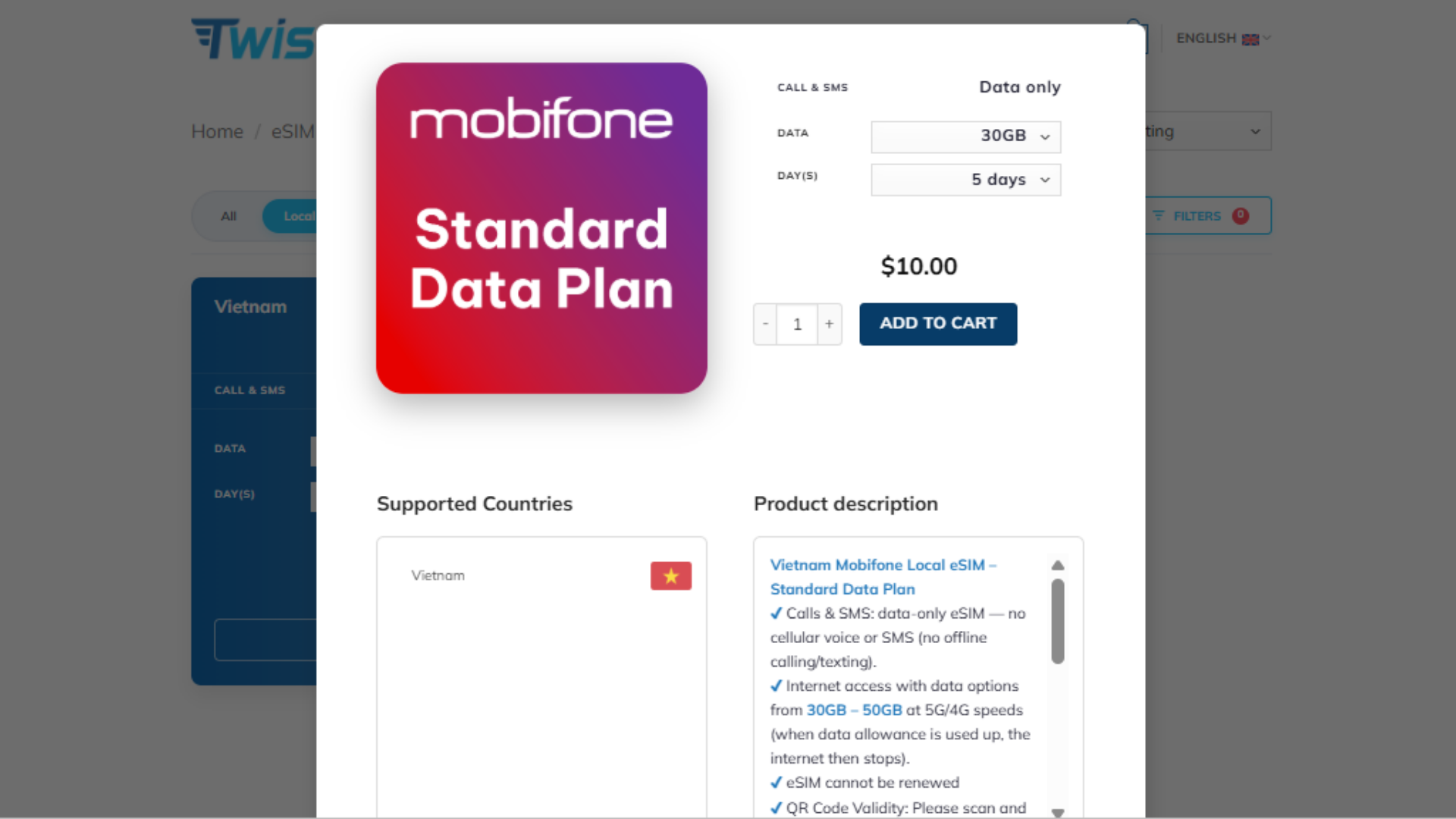
- Option 1: Vietnam Insider — Single Country, Mobifone Network
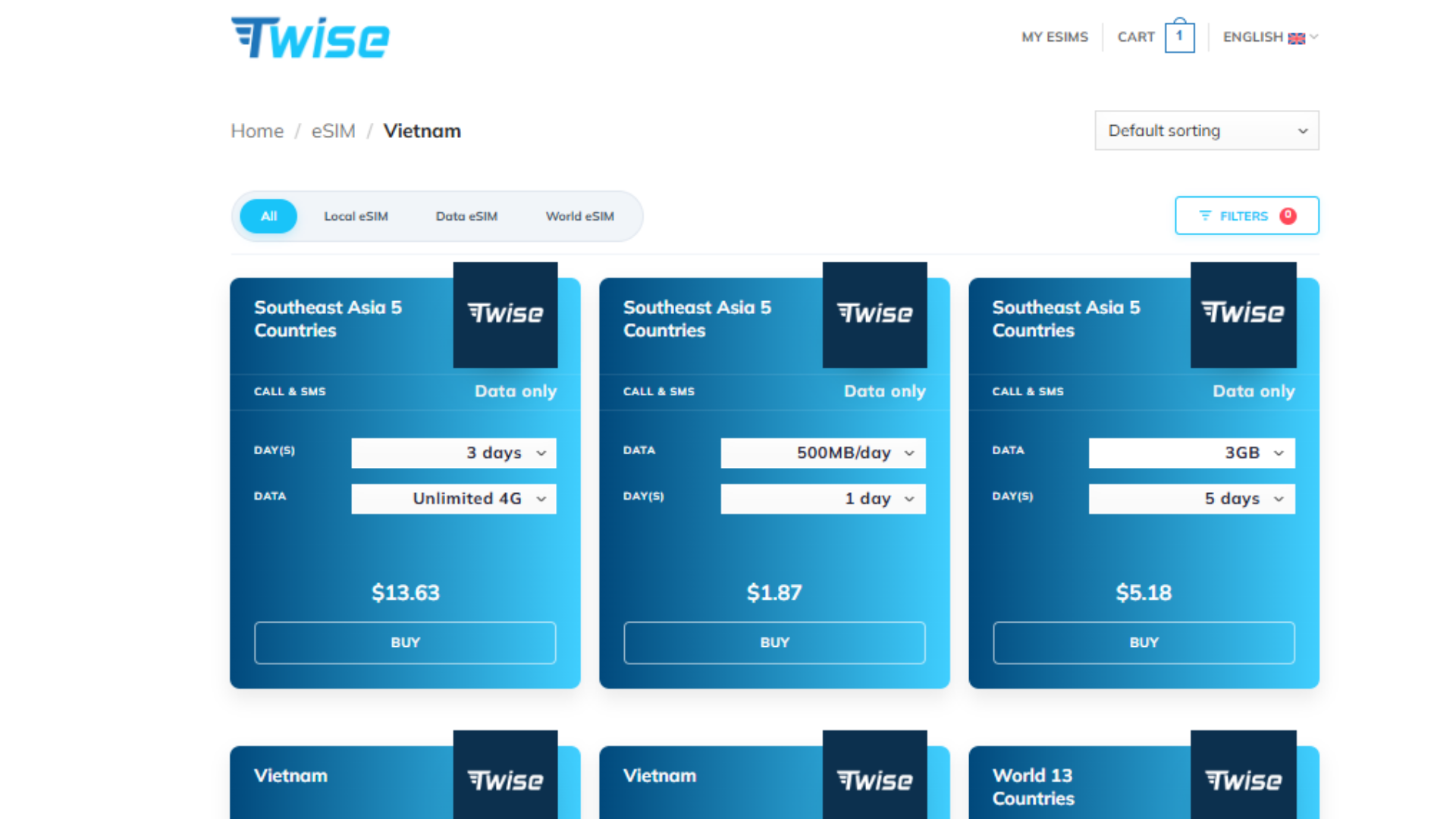
- Option 2: Southeast Asia Explorer — 5 Countries, One eSIM
Viettel/Vinaphone in Vietnam, TrueMove/DTAC in Thailand, SIMBA in Singapore, Celcom in Malaysia, Telkomsel in Indonesia — all from one data pool that auto-switches at each border. No SIM swaps, no registration queues, no arriving at a crossing with an empty balance. The data follows your itinerary, not the other way around.
Best for: The Golden Route — Hanoi → Ho Chi Minh City → Bangkok → KL → Singapore → Bali. One eSIM covers the entire circuit.
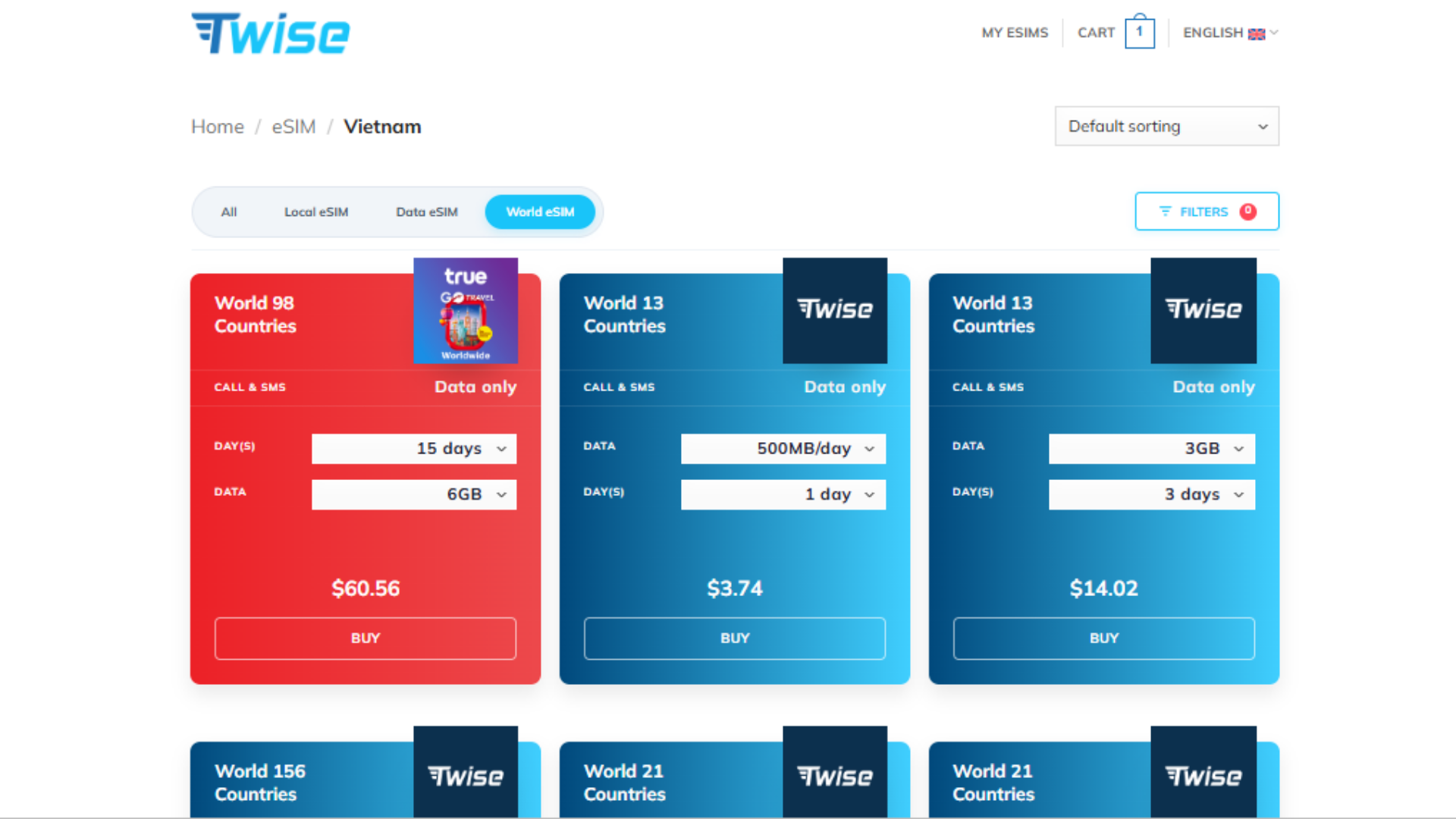
- Option 3: Global Nomad — 70 Countries Including Vietnam
Same Viettel quality in Vietnam; automatic strongest-network switching in 69 other global markets across Asia, Europe, the Americas, and the Middle East. Premium pricing reflects global carrier agreements — not the cost-optimal choice for a Vietnam-only trip, but the right one for travelers whose next destination could be London, Tokyo, or Dubai.
Best for: Business travelers and frequent fliers on multi-continent circuits — “Frankfurt → Ho Chi Minh City → Tokyo → London” on a single eSIM.
The No-KYC Advantage: Why Vietnam’s 2024 Regulations Make Pre-Trip Purchase Essential
Under Decree 13/2023/NĐ-CP, all SIM cards in Vietnam — including tourist prepaid SIMs — now require biometric verification at the point of purchase: a passport scan, facial recognition capture, and data submission to the carrier’s system. At Nội Bài and Tân Sơn Nhất, the process runs 10–20 minutes per person. There is no tourist exception and no simplified process.
|
Local Vietnam SIM — What Buying at the Airport Involves Queue at carrier counter (10–30 min) Passport scan submitted to carrier database Facial recognition capture on carrier device Data stored in VNPT / Viettel / Mobifone systems Manual SIM configuration by staff Physical SIM card — requires SIM tray swap Home number goes inactive while local SIM is inserted |
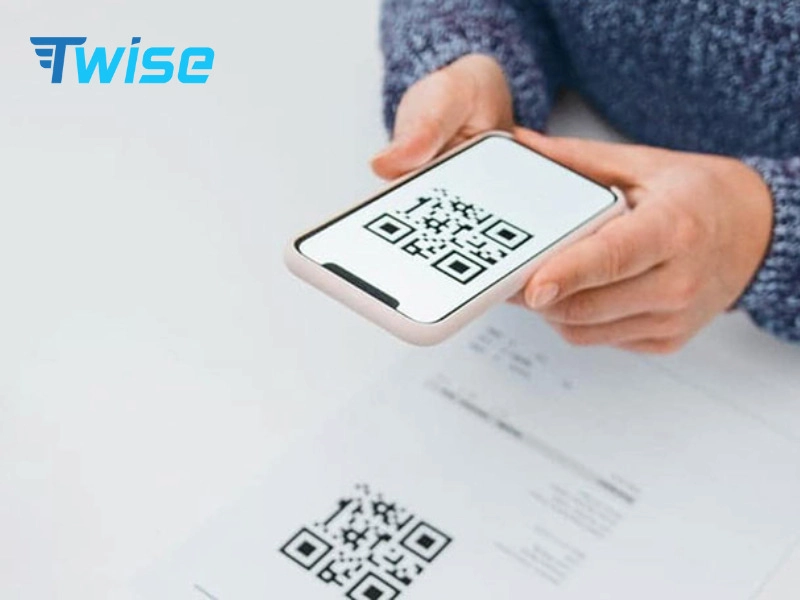
Twise eSIM — What Buying Before Departure Involves Purchase online — 5 minutes, any device No passport required — email address only No facial recognition or biometric submission QR code delivered by email Install over home Wi-Fi before departure eSIM activates automatically on landing Dual SIM — home number stays active |
Buy Top Twise Vietnam eSIM Here
The privacy consideration: Vietnam’s SIM registration system collects biometric data — a passport photograph and a facial recognition capture — from every foreign visitor who purchases a local SIM. For travelers with concerns about submitting this data to a foreign telecommunications carrier and the government ministries it reports to, a Twise international roaming eSIM requires no identity submission of any kind. Your passport remains in your bag from the moment you land to the moment you depart.
Plan Comparison at a Glance
|
Feature |
Vietnam Local SIM (Airport) | Twise Vietnam (MobiFone) | Twise SE Asia 5-Country | Twise Global 70 |
| Network in Vietnam | Mixed — varies by counter | Viettel (Top Tier) | Viettel/Vinaphone (Top Tier) | Viettel/Vinaphone (Top Tier) |
| Regional coverage | Vietnam only | Vietnam only | SG, MY, TH, ID, VN | 70 countries globally |
| ID / KYC required | Passport + facial recognition | None | None | None |
| Activation | Airport counter — 10–30 min queue | QR code — instant | QR code — instant | QR code — instant |
| Ha Giang / remote coverage | Depends on carrier issued | Viettel — best available | Viettel — best available | Viettel — best available |
| Home number active | No — SIM swap required | Yes — dual eSIM | Yes — dual eSIM | Yes — dual eSIM |
| Best for | Travelers who forgot to prepare |
Vietnam-only itineraries |
Regional backpacking / nomads |
Global business travelers |
Essential Apps Powered by Your Vietnam eSIM Connection
Vietnam’s digital ecosystem has matured into one of the most app-dependent travel environments in Southeast Asia. A stable Mobile connection is the foundation on which these tools actually perform as designed.
| Grab
The dominant ride-hailing platform in Vietnam. Works in all major cities. Requires low-latency real-time GPS — Viettel’s international routing delivers this consistently even during peak congestion in Hồ Chí Minh City. |
Zalo
Vietnam’s dominant local messaging app — used by nearly every Vietnamese resident for communication, business, and group coordination. Essential for contacting accommodation hosts, local guides, and businesses that may not use WhatsApp. |
| Google Maps
Essential for navigation in Vietnam’s cities and along the highway network. Viettel’s routing delivers lower latency for real-time map updates than domestic carriers — important for navigating Hanoi’s Old Quarter lanes or finding a specific alley in Hội An. |
ShopeeFood/Grabfood
Vietnam’s major food delivery platforms. Increasingly used by travelers in larger cities for late-night meals or when accommodation kitchens are available. Requires a stable data connection for real-time order tracking and restaurant browsing. |
| VietQR / Banking Apps
Vietnam has rapidly adopted QR code payment infrastructure. Many restaurants, markets, and transport operators now accept VietQR payments. Requires a reliable data connection for QR generation and payment confirmation. |
Google Translate (camera mode)
Vietnamese is a tonal language with a unique romanized script — menus, signs, and informal written communication are often not in English. Google Translate’s live camera mode translates text in real time, requiring a consistent data connection to process image recognition. |
The Right eSIM for Vietnam
The best eSIM for Vietnam comes down to two decisions: Viettel for the network (non-negotiable if your itinerary goes anywhere beyond Vietnam’s five major cities), and the right plan tier for your geographic scope.
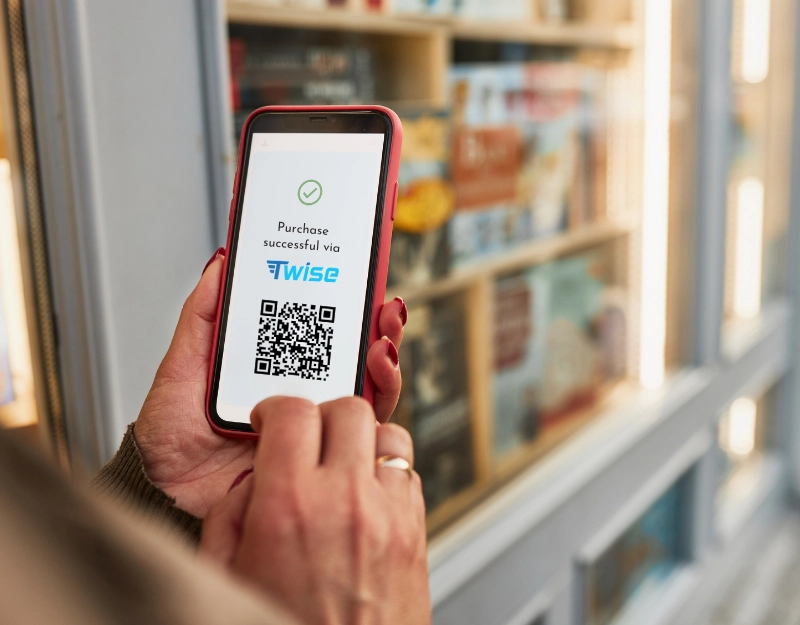
Vietnam-only trip: the single-country Viettel plan. Regional Southeast Asia circuit: the 5-country plan eliminates every border-crossing connectivity problem. Global itinerary: the 70-country plan covers Vietnam with the same Viettel quality, extended worldwide.
All three share the feature Vietnam’s 2024 KYC regulations have made most valuable: zero registration, zero biometric submission, zero airport queue. Your connection is live before you reach immigration — and the Viettel network follows you from Hanoi’s street food alleys to Ha Giang’s fog-covered passes.
Pre-departure checklist for Vietnam eSIM travelers: (1) Purchase your Twise eSIM and install the QR code at home over Wi-Fi. (2) Enable Data Roaming in Settings before your flight. (3) Keep your home SIM active in dual-SIM mode for OTPs and international calls. (4) Download offline Google Maps for Ha Giang Province and Sapa/Lào Cai if your itinerary includes northern highlands. (5) Set up Grab and Zalo before arrival using home Wi-Fi — both apps perform better when configured outside Vietnam’s registration restrictions on foreign phone numbers.
Don’t let your connection be an afterthought in Vietnam. Choose your Twise Vietnam eSIM plan — Viettel network from the mountains of Ha Giang to the beaches of Phú Quốc. No queues. No passport upload. Live before you land.

FAQs
It depends on the plan. Some local carrier eSIMs that include calls and SMS require passport or identity verification before activation. However, Twise Vietnam eSIMs do not require passport verification, making them quick and easy to purchase and activate.
Yes. On dual-SIM phones, many travelers keep their home SIM active for bank SMS or calls and use the Japan eSIM for mobile data. Turn off home data roaming if you want to avoid home-carrier roaming fees.
Check that the eSIM is selected for mobile data, activation is complete, roaming is enabled if required, and APN settings match the provider instructions. Restart your phone and test again. Do not delete the eSIM before contacting support.
More Helpful Tips for Your Vietnam Journey
Best Vietnam eSIM Providers: Viettel, Vinaphone, MobiFone & Travel eSIMs Compared
Where to Buy an eSIM in Vietnam: Online, Airport, or Local Carrier Store?