




90-Day eSIM Europe: How to Cover 3 Months
Nov
There’s no standard “90-day eSIM” product for most travelers — it usually means preparing three consecutive 30-day regional plans rather than buying one long-validity SKU. The main decisions are how to stage data and coverage across each month, and whether to buy all three plans in advance or one at a time.
Below, we break down how to plan three months of connectivity in Europe — staging, data volume, and coverage — instead of assuming one purchase covers the whole trip.
What Does “90 Days” Mean for a Europe eSIM?
For most providers, including Twise’s current Europe lineup, “90-day eSIM Europe” means covering roughly three months of travel using consecutive 30-day plans rather than a single long-validity product. This setup fits long-stay tourists, backpackers, students, remote workers, business travelers on extended assignments, and slow travelers moving between several European countries over the season.
One Long Plan or Three 30-Day Plans?
This is the central decision for a three-month trip, and it’s worth more attention than picking a data number.
| Approach | How It Works | Flexibility | Best For |
| Single long-validity eSIM | One plan covers most/all of the trip | Low–moderate | Travelers wanting minimal plan management |
| Three 30-day eSIMs | New allowance and coverage each month | High | Travelers whose needs or route change month to month |
| Daily-data plans | Allowance resets each day | Predictable, but less flexible | Consistent daily users |
| Unlimited-style plans | High or unlimited usage | High | Remote workers and heavy users |
Since Twise’s Europe eSIMs currently top out around 30-day validity, in practice this means planning three stages rather than one purchase:
- Month 1 — match your first plan to your arrival countries and expected early-trip usage (navigation, hotel messaging, translation, bookings tend to spike right after landing).
- Month 2 — use what you actually consumed in month one to decide whether to size up or down, rather than assuming identical usage.
- Month 3 — reassess coverage specifically, since a changed itinerary partway through the trip is common on long stays, and paying for broad coverage you no longer need is easy to avoid by rechecking at this stage.
The other question worth settling early is when to buy. Buying all three plans before you leave means less to manage while traveling and locks in your setup ahead of time — useful if your route is fixed. Buying month by month means you can adjust data allowance or even swap regional coverage based on how the previous month actually went — useful if your itinerary or usage habits are likely to shift. There’s no universally better choice; it depends on how settled your route is before you leave.
For the mechanics of validity and activation timing on a single 30-day plan, see our 30-Day Europe eSIM guide; for the two-plan version of this same staging decision, see our 60-Day Europe eSIM guide.
How Much Data Do You Need for 90 Days in Europe?
| Data Range (per month) | Suitable Usage | Best For |
| 30–45GB | Light | Maps, messaging, transport apps, email, browsing, translation, regular accommodation Wi-Fi |
| 60–90GB | Moderate | Daily navigation, social media, music streaming, browsing, occasional video, light hotspot use |
| 100GB+ or unlimited | Heavy | Remote work, video conferencing, content uploads, streaming, frequent laptop tethering |
Don’t simply multiply a 7-day or 30-day estimate by three — usage over a season tends to shift, with heavier data use around arrivals, border crossings, and sightseeing-dense stretches, and lighter use during settled periods with reliable Wi-Fi. This is exactly why staging by month (above) works better than committing to one data tier for the entire trip. On the unlimited tier: these plans typically provide full-speed data up to a threshold before reducing speed, so it’s worth checking that threshold rather than assuming unrestricted full-speed data for the whole month.
What Coverage Should You Check Before Buying?
A three-month itinerary is more likely to span multiple countries than a short trip, so build your full route first, then check it against each plan’s coverage: confirm every country on your 90-day route is on the supported list rather than assuming identical coverage across providers or even across a single provider’s own regional packages.
Check EU vs. wider Europe separately, since the UK, Switzerland, Turkey, and Balkan countries are sometimes included and sometimes excluded; consider whether your route changes by month, since a different regional plan may fit a later stage better than paying for broad coverage you don’t need the whole trip; and expect 4G/5G availability to vary by country depending on the local network partner, your device, and local congestion.
90-Day Europe eSIM vs Local SIM vs Roaming
| Option | Multi-Country Travel | Setup Over 90 Days | Keep Home SIM | Best For |
| Twise Europe eSIM approach | Across supported countries | Digital QR, staged plans | Yes, with compatible dual-SIM phones | Multi-country extended travel |
| Local physical SIM | Usually country-focused | May require multiple purchases | More SIM management | Long stay in one country |
| Home-carrier roaming | Often broad | Minimal | Yes | Travelers prioritizing simplicity |
| Local/country eSIMs | Country-specific | New plan when changing markets | Yes | Long stays in a few countries |
| Pocket Wi-Fi | Provider-dependent | Device must be carried/charged | Yes | Groups or multiple connected devices |
A regional eSIM’s advantage grows with trip length here — it avoids repeated SIM-store visits across a three-month, multi-country route. That said, someone spending most of the 90 days in one country may still prefer a local SIM for a domestic number or local calling rates, and it’s worth checking your home carrier’s actual long-term roaming rates before assuming roaming is simplest — many roaming plans become noticeably more expensive over a full season compared to short trips.
Covering 90 Days in Europe With Twise
Whichever staging approach you use, a few things make the three-month setup easier to manage: keeping your home SIM active via dual-SIM, so your existing number, WhatsApp, and OTP messages stay reachable while the Twise eSIM handles travel data — remember to turn off data roaming on the home SIM; and instant QR delivery with no unnecessary in-person setup, so you can prepare or purchase your next plan without hunting for a SIM shop mid-trip.
Traveling through Europe for three months? Compare Twise Europe eSIM options by data, validity, and country coverage, and prepare each stage of your trip with instant QR delivery.
Managing Data and Quick Checklist
Check your usage at the end of each month to inform the next plan’s data size, download offline maps before moving to a new destination, turn off automatic cloud backups and app updates, and save Wi-Fi for streaming or large downloads.
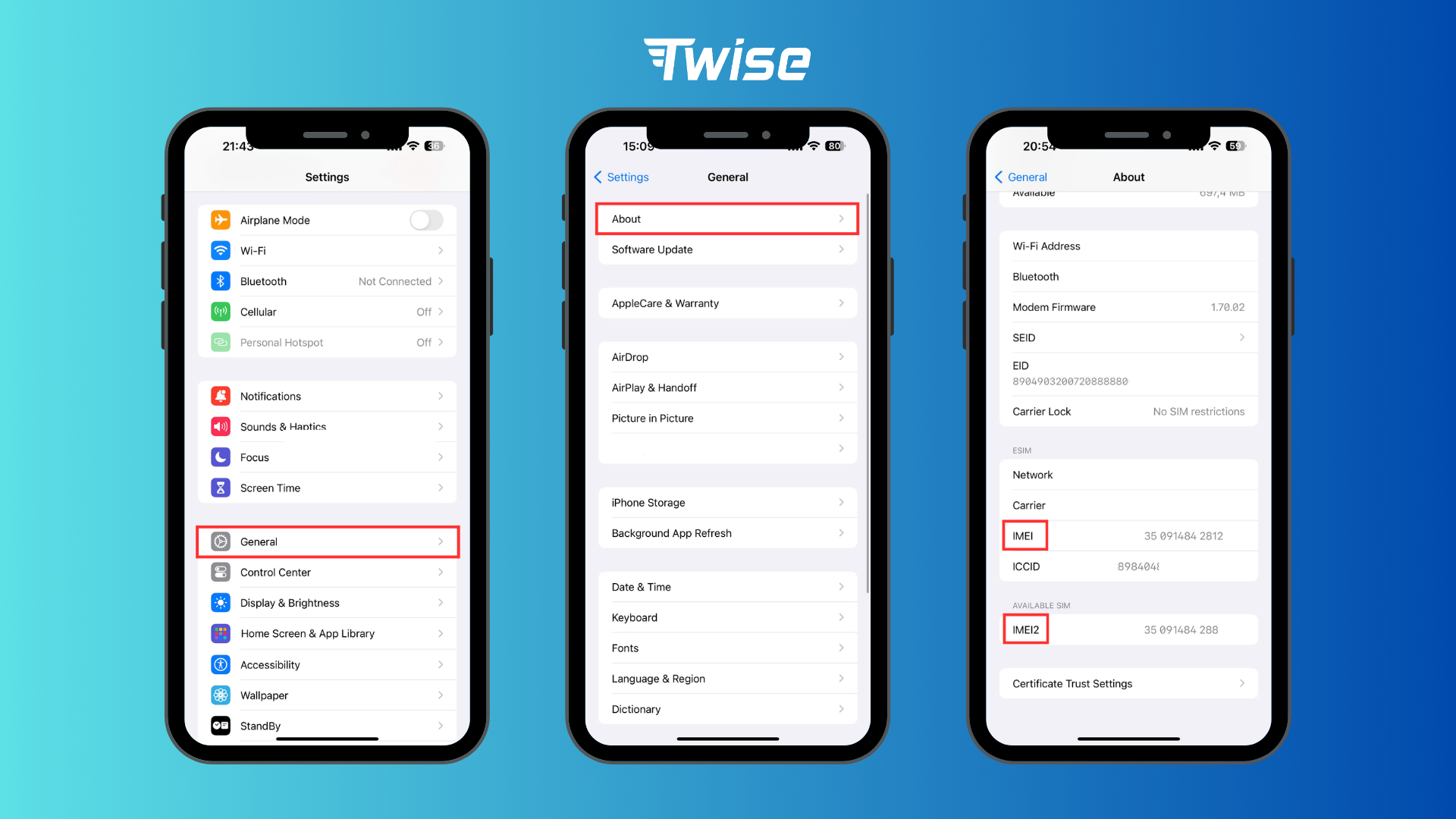
Before each purchase, confirm: your estimated data need for that stage rather than assuming it matches the previous month; every country on that stage’s route is covered; and your phone stays eSIM-compatible and carrier-unlocked throughout.
Is a 90-Day eSIM Europe Setup Worth It?
For travelers moving between several European countries over three months, staging connectivity in monthly plans is generally more practical than committing to one fixed setup upfront — it lets data and coverage evolve with the actual trip instead of guessing everything in advance. Local SIMs remain worth considering for long single-country stays where a domestic number matters more than multi-country continuity.
Explore Twise Europe eSIM plans and build a data setup around each stage of your 90-day itinerary, with multi-country connectivity, dual-SIM convenience, and digital QR delivery.

FAQs About 90-Day eSIM Europe
Most providers, including Twise’s current Europe lineup, top out around 30-day validity — so a 90-day trip is typically covered with three consecutive plans rather than one long-validity product.
It depends on the product’s validity, remaining data, and whether top-ups or renewals are supported — check these details rather than assuming one eSIM automatically lasts the full trip.
Light users typically need 30–45GB across the trip, moderate users 60–90GB, and heavy users doing remote work or frequent streaming should look at 100GB+ or unlimited — ideally sized month by month rather than as one flat total.
Yes — this is the practical way to cover three months, and it lets you adjust data allowance or coverage between months based on how the trip is actually going.
Yes, on a dual-SIM-compatible phone. Your home SIM stays active for your existing number and apps, while the Twise eSIM is assigned to travel data.
More Helpful Tips For Your Europe Journey
Best Apps for Travel in Europe: Maps, Trains, Translation, Payments & eSIM Setup
How to Make Calls in Europe with a Local Europe eSIM
5G eSIM Europe | Fastest eSIM for traveler to Europe
Best eSIM for Europe travel: Top Providers Reviewed
