

Where to Buy an Australia eSIM: Online, Airport, or Local Carrier?
You’ve already decided you need data in Australia — the next question is simpler than it sounds: where do you actually buy Australia eSIM? Online before you fly, at a counter after you land, or from a carrier store once you’re settled? Each path has a different tradeoff between speed, ID hassle, and support.
Where Should Tourists Buy Australia eSIM?
Buy online before arrival if you mainly need data for maps, rideshare, and hotel messages — it’s ready the moment you land. Buy from a local carrier if you need an Australian number, calls/SMS, or remote-route coverage priority. Buy at the airport only if you want staff help and can live with possible queues or limited hours — it shouldn’t be your only plan.
| Traveler need | Best place to buy | Why |
| Data before landing | Online travel eSIM / Twise | Installs before departure, connects on arrival |
| Australian number and calls | Twise Lycamobile-style or local carrier | Data-only eSIMs usually skip calls |
| Remote road trip | Telstra or Boost | Coverage priority over convenience |
| City-only trip | Travel eSIM or Vodafone/Optus-powered plan | Plenty for apps, maps, rideshare |
| Want staff to help with setup | Airport counter or city carrier store | Staff handle activation and ID checks |
| Long stay / working holiday | Local prepaid or MVNO | Better recharge and account management |
| Late-night arrival | Online eSIM before departure | Airport counters may already be closed |
| Light data only | Data-only eSIM | No reason to pay for a calling plan |
The 4 Main Ways to Buy an Australia eSIM
Online, before arrival, from a travel eSIM provider. Best for landing with data already working — maps, rideshare, hotel messages, WhatsApp. This is where Twise fits naturally.
Online, directly from a local Australian telco. Telstra, Optus, Vodafone, Boost, ALDI Mobile, and felix all support eSIM purchase online, but expect an ID check and sometimes an app-based activation flow (more on this below).
At the airport, after you land. Major airports have telco stores, resellers, or vending machines — but stock, hours, and exact location vary, so don’t make this your only plan.
At a city carrier store or retail shop. Best for staff-assisted activation, ID verification help, and troubleshooting once you’re settled — not for instant connectivity on arrival.
Online Before Arrival: Best for Day-One Connectivity
Buying online makes the most sense if you want Uber, DiDi, Google Maps, hotel messages, WhatsApp, and translation apps working the second you land — no queues, no shop hours to work around. Before you buy, check device compatibility and carrier unlock status, the data amount and validity window, hotspot allowance, whether an Australian number and calls are included, which network the plan runs on, and whether the plan clock starts at purchase or first connection.
This is exactly where Twise‘s two Australia options sit: a Vodafone-powered data-only plan for travelers who just need mobile internet for apps and maps, and a Lycamobile-style eSIM with a large data allowance, an Australian number, and calling features for travelers who’ll need to call hotels, tour operators, car rental desks, or restaurants. (For the full breakdown of when data-only is enough versus when you need calling, see our [local carrier vs travel eSIM guide].)
Online buying isn’t the answer for everyone, though — travelers who need maximum remote coverage, full local account management, or a long working-holiday plan should compare local carriers directly instead.
Local Carrier eSIM: Best for Full Local Service
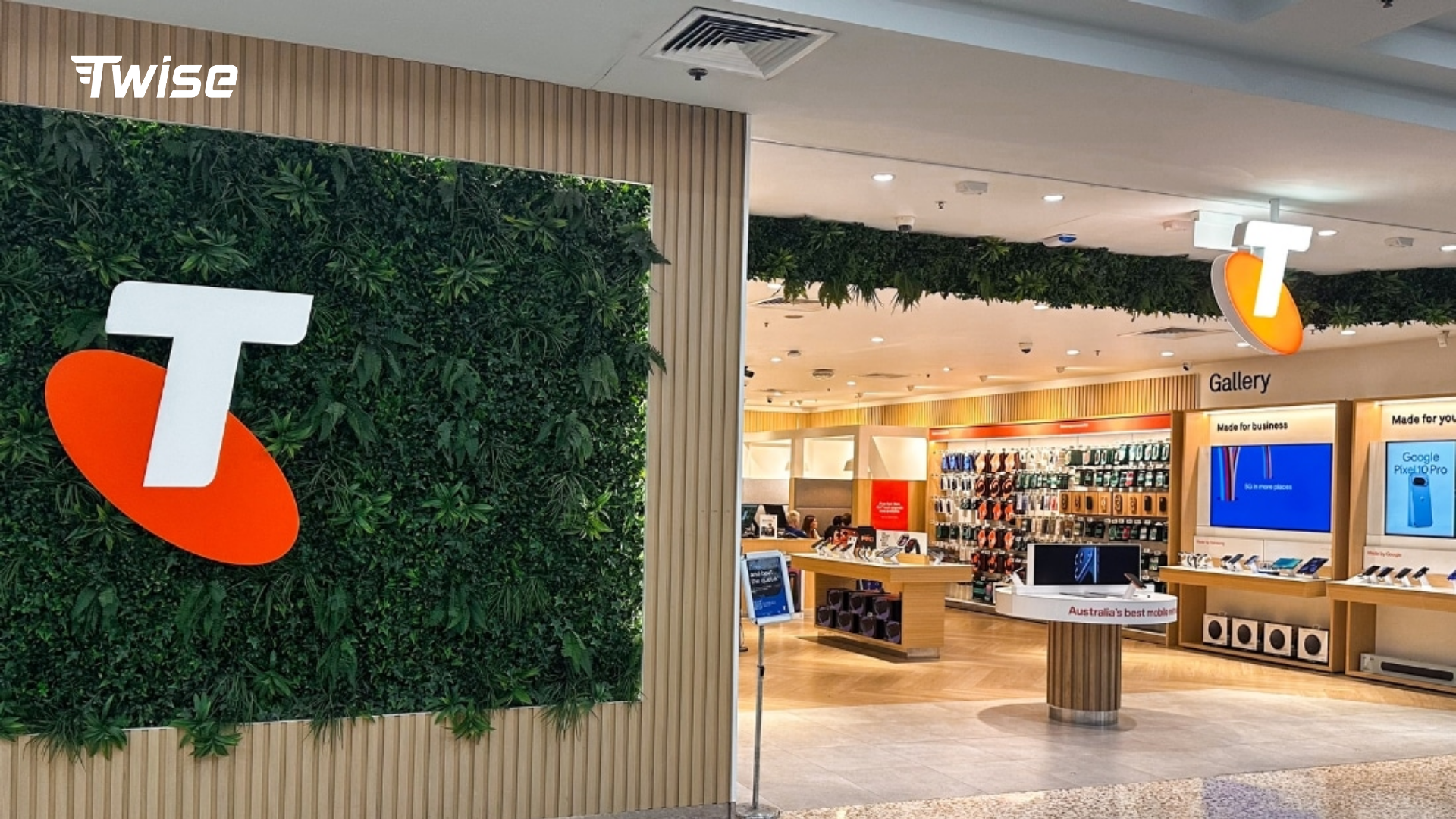
Each major carrier handles ID and activation a little differently, which matters more for “where to buy” than which one has the best price:
- Telstra accepts an Australian Passport, driver’s license, Medicare card, or an international passport/ImmiCard at eSIM checkout — useful to know if you don’t have an Australian ID yet.
- Boost Mobile runs on the full Telstra network and sells eSIM exclusively through the My Boost Mobile app.
- Optus offers eSIM through My Optus, including Flex Plus Traveller plans aimed at visitors; ID (a passport is accepted) is required, and the exact activation steps for passport-only travelers can vary, so it’s worth confirming the current flow before you buy.
- Vodafone lets visitors activate a Prepaid Starter Pack online or in store, but requires an international passport as proof of identity.
- ALDI Mobile and felix both support eSIM across their plans (ALDI on the Telstra Wholesale network, felix on Vodafone’s network) — good value, but confirm ID and app requirements before counting on either for arrival-day use.
Airport Purchase: Useful, but Not Your Only Plan
Airport buying works well if you have time after customs, don’t mind queuing, and want a human to walk you through setup. At Melbourne Airport, Terminal 2’s arrivals area has a Telstra/Boost reseller counter plus official Optus and Vodafone stores, with a SIM vending machine for after-hours arrivals. Brisbane’s international terminal has Optus and Vodafone stores; Sydney and Perth airports typically have kiosks for the major carriers near arrivals too — but exact terminals, hours, and stock change, so treat any specific store listing (including this one) as a starting point to verify, not a guarantee.
Airport buying can fail in ordinary ways: the counter’s closed, the queue is long, the exact eSIM product is out of stock, or staff only sell physical SIMs. Whatever you decide at the airport, download offline maps, save your hotel address, and screenshot your rideshare pickup point before you rely on a connection that might take 20 extra minutes to set up. In short: airport counters are a fine backup, but they shouldn’t be your only connectivity plan if you’re arriving late, traveling with kids, or need a rideshare the moment you land.
City Stores and Retail Shops: Good for Support, Not Speed
Carrier stores in CBDs and shopping centres are the place to go for local account setup, ID verification help, eSIM activation support, or troubleshooting — not for getting online in the next ten minutes. Supermarkets and convenience stores (Woolworths, Coles, 7-Eleven) sell physical starter packs, but that’s not the same as eSIM availability, which usually still runs through the carrier’s app. City stores make the most sense for longer stays, or as a fallback if an online activation didn’t go through.
Buying Method Comparison
| Buying method | Best for | Australian number? | ID friction | Main risk |
| Travel eSIM online | Data before arrival | Usually no | Usually lower | May be data-only, limited support |
| Twise data-only plan | Apps, maps, hotel messages | No | Lower | Not for calls/SMS |
| Twise Lycamobile-style plan | Data + Australian calls | Yes | Confirm current flow | Not built for max remote coverage |
| Telstra direct | Regional/remote priority | Usually yes | Yes | Fuller local telco setup |
| Boost direct | Telstra network value | Usually yes | Yes | App + ID process |
| Optus Traveller eSIM | Visitor local service | Yes | Yes, confirm steps for passport-only buyers | Must use My Optus app |
| Vodafone direct | City/regional local use | Usually yes | Yes | Check coverage on your route |
| Airport counter | Staff help | Often yes | Yes | Queues, hours, limited stock |
| City store | Local setup, troubleshooting | Often yes | Yes | Not instant on landing |
Where to Buy Based on Your Trip Type
| Trip type | Best buying path | Why |
| 3–7 day Sydney/Melbourne trip | Twise data-only or travel eSIM online | Simple data is usually enough |
| 2–4 week city + coastal trip | Twise Lycamobile-style or travel eSIM | Larger data and calls may help |
| Family trip | Online eSIM first, store as backup | Avoids airport setup stress with kids |
| Business trip needing local calls | Twise Lycamobile-style or local carrier | Australian number matters |
| Road trip to Uluru/Outback | Telstra or Boost | Coverage is the priority |
| Working holiday | Local prepaid/MVNO | Better long-term recharge and account setup |
| Late-night arrival | Online eSIM before departure | Airport counters may be closed |
| Light app-only traveler | Data-only travel eSIM | No reason to pay for calling features |
Quick Setup Checklist
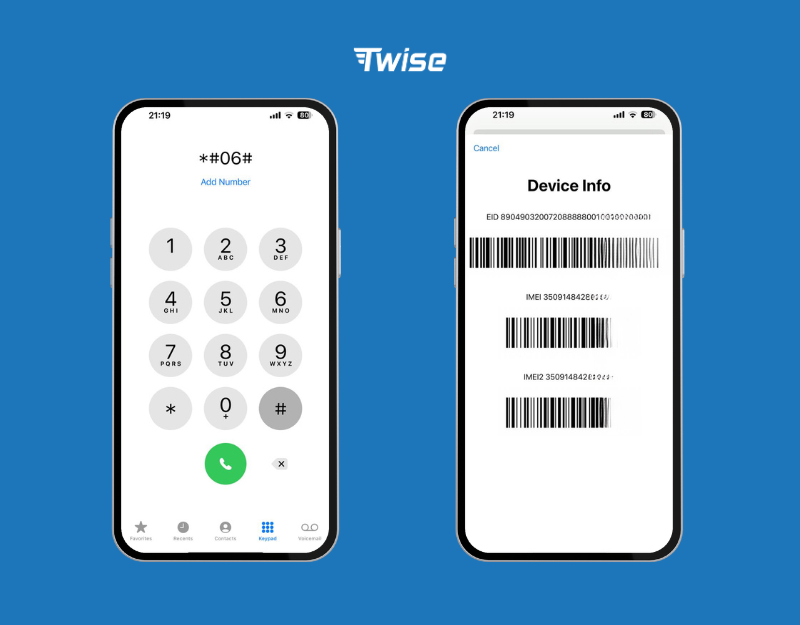
Before you buy anywhere, confirm: your device supports eSIM and is carrier-unlocked (dial *#06# — a 32-digit EID means it’s eSIM-capable); what ID you’ll need for a local-carrier route (a passport covers most cases); whether the plan actually includes Australian calls and SMS, since that’s never a safe assumption; and your hotspot/tethering allowance if you’re sharing data with a laptop or tablet. Save your QR code, order ID, hotel address, and offline maps before you fly — useful no matter which buying path you choose.
If You Bought the Wrong Australia eSIM
Bought data-only but need to call someone? Try an app call first (WhatsApp, Messenger); if you genuinely need a standard call, a local-number plan or a calling-enabled option like Twise’s Lycamobile-style eSIM is the fix. If local carrier activation fails, airport Wi-Fi, the telco’s support line, or a city store can usually sort it out. If a travel eSIM won’t connect, don’t delete the profile — check your active data line and roaming setting before contacting support. And if coverage turns out weak once you’re outside the cities, compare Telstra or Boost, or pick up a backup local SIM before heading somewhere remote.
FAQ: Buy Australia eSIM
Where’s the best place to buy Australia eSIM?
Online before arrival if you mainly need data; a local carrier if you need a number, calls, or long-stay value; the airport only if you want staff help and can accept possible queues.
Can I buy an Australia eSIM before I arrive?
Yes — travel eSIMs are built for this. Local carrier eSIMs can sometimes be bought online too, but expect an ID check and app-based steps.
Can I buy an eSIM at Sydney or Melbourne Airport?
Usually yes, but availability depends on terminal, provider, and time of day — don’t rely on it as your only plan if you land late.
Do I need ID to buy an Australia prepaid eSIM?
Yes, for any local carrier service. Travel eSIMs are typically lighter on ID requirements.
Is Telstra better than a travel eSIM?
Telstra (or Boost) is the stronger pick for remote and regional coverage. A travel eSIM is simpler for city-focused, pre-arrival setup.
Should I buy from a local carrier store?
Go to a store if you want staff help, ID verification support, or troubleshooting. Buy online if you just need data quickly.
Which network should I choose for remote Australia?
Telstra or Boost first, for reach. For cities and standard tourist routes, Vodafone-powered (like Twise local Lycamobile), Optus-powered, or travel eSIM options are usually practical.
Related Articles
Telstra eSIM Australia for Travelers: Coverage, Prepaid Plans, Setup
Lycamobile eSIM Australia for Travelers: Calls, Data, Coverage & Setup
