

Why Many Travelers Choose eSIM for Japan Trips in 2026
Dec
If you’re planning a trip to Japan in 2026, you’ve probably asked yourself: does eSIM work in Japan? The answer is a resounding yes. Japan has one of the most advanced mobile networks in the world, and eSIM technology is fully supported nationwide by all major carriers. Whether you’re landing in Tokyo, exploring Kyoto, hiking in Hokkaido, or island-hopping in Okinawa, an eSIM will keep you connected from the moment you step off the plane.
In 2026, more travelers than ever are ditching traditional roaming, physical SIM cards, and pocket WiFi devices in favor of eSIM — and for very good reasons. Let’s dive deep into why eSIM has become the go-to choice for smart travelers visiting the Land of the Rising Sun.
1. Does eSIM Work in Japan?
By 2026, Japan fully supports eSIM nationwide. eSIMs operate by connecting digitally to the networks of local Japanese carriers. These networks are managed by three primary providers, all of which support eSIM technology:
- KDDI (au) – Excellent coverage, especially in rural and mountainous areas
- SoftBank – Extremely fast 5G in major cities and strong nationwide reach
- NTT Docomo – Often ranked as having the most consistent signal across the country
Reputable providers like Twise offer recommended eSIM plans that connect directly to these premium networks (for example, Twise plans use genuine KDDI, SoftBank, and IIJmio/Docomo routing). This means you get real local performance — not a watered-down version through a third-party virtual operator.
The technology is compatible with virtually all modern mobile devices released in the last few years, including:
- iPhone XR and newer
- Samsung S20 and newer
- Google Pixel 4 and newer
- Most recent Huawei, Motorola, and OPPO models
Before purchasing, always verify that your specific device is eSIM-compatible.

Read more: Can my device work with eSIM?
Local eSIM vs. International (Roaming-Based) eSIM
Travelers can choose between two main types of eSIM:
- Local Japanese tourist eSIM
These connect directly to Japanese networks and typically offer the best speeds and coverage.
- International/roaming eSIM
These route your data through your home region or a global provider’s network. They work across multiple countries but may have slower speeds or slightly higher prices.
2. Why eSIM is Becoming Popular Among Travelers in 2026
The growth of eSIM adoption is no coincidence. Travelers in 2026 prioritize convenience, flexibility, and cost savings—all areas where eSIM excels.
a. Instant Online Activation
One of the biggest advantages of eSIM is the ability to set it up anywhere, anytime. You can purchase, download, and activate your Japan eSIM:
- No KYC
- No passport uploads
- No Japanese address required
- Instant activation
This is especially valuable for:
- Business travelers with tight schedules
- Families traveling with kids
- Solo travelers who want connectivity on arrival
- Last-minute planners who don’t have time to visit a store
b. No Need to Swap Physical SIM Cards
Physical SIM cards are tiny, easy to lose, and require removal tools. With eSIM:
- You keep your home SIM in your device
- You avoid losing your original number
- You switch between networks in seconds
- There’s no risk of damaging your SIM tray
This is especially helpful for phones using eSIM-only designs, like newer iPhone models sold in several countries.
c. Better Value Than Roaming
For many years, relying on your home carrier’s international roaming plan was the default but often expensive option.
- The High Cost of Carrier Roaming: Standard carrier roaming packages can cost anywhere from $5–$15 per day for limited data, and often lead to bill shock if you exceed the daily limit. A two-week trip could easily cost $100-$200 just for basic connectivity.
In contrast:
- Local eSIM plans in Japan can cost just a few dollars for several days of high-speed data.
- Long-term options offer even cheaper rates per gigabyte.
This makes eSIM particularly appealing for:
- Budget-conscious travelers
- Digital nomads
- Students on short-term visits
d. Strong 4G/5G Coverage Across Japan
Japan ranked among the world leaders in mobile network quality
- KDDI has the strongest early 5G adoption
- SoftBank offers fast 5G in urban areas
- Docomo has wide 4G and expanding 5G
3. Why eSIM Beats Pocket WiFi in Japan
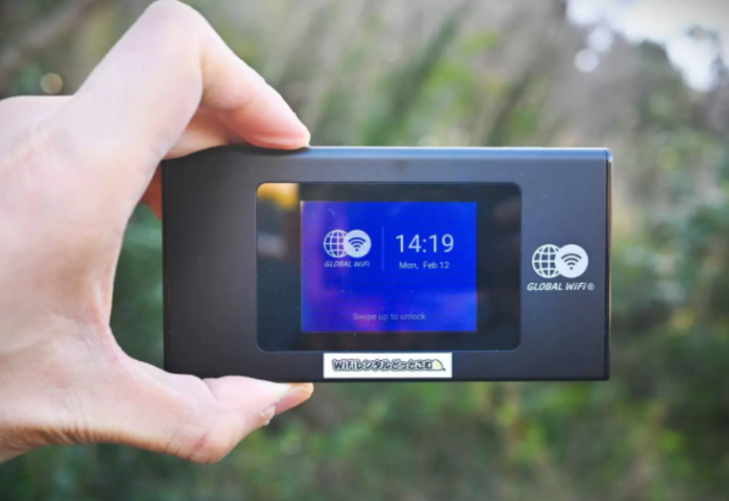
Pocket WiFi has long been a popular choice for tourists in Japan, but eSIM has surpassed it in convenience and value.
a. No extra device to carry
Pocket WiFi requires carrying:
- An extra device
- A charging cable
- A power bank (because battery life varies)
With eSIM, your phone is the internet connection—no extra hardware needed.
b. Faster and more reliable
Pocket WiFi:
- Speed can drop when multiple devices connect
- Some routers use older 4G/LTE standards
- Congestion can slow down hotspots faster than phones
- Needs daily charging (often twice a day)
eSIM connects directly to Japan’s mobile networks, offering:
- Higher stability
- Faster speeds
- No performance drops from sharing
c. Cheaper for solo travelers
Pocket WiFi only beneficial for 3–5 users sharing. eSIM cheaper in most single-user scenarios
4. Why Most Travelers Choose Data-Only eSIM
The world has shifted dramatically toward internet-based communication. Over 95% of travelers already use apps like:
- iMessage
- FaceTime Audio/Video
- LINE (especially popular in Japan)
- Telegram
- Facebook Messenger
These apps offer free international calls and messages without needing a Japanese number. This makes traditional voice plans unnecessary for most tourists.
Local phone numbers in Japan have strict rules:
- Strict identity verification regulations
- Requirements for local addresses
- In-store registration
- Limited availability for short-term visitors
Therefore, data-only eSIM is:
- Simpler to purchase
- Cheaper
- Easier to activate
- Available before arrival
This universality makes eSIMs the most traveler-friendly solution, especially compared to older SIM cards requiring physical swapping.
5. Comparing eSIM Options in Japan
Travelers generally choose between two categories of eSIM:
a. Local Travel eSIM (Best Performance)
Local eSIMs designed for tourists offer:
- Direct connection to Japanese carriers like KDDI, SoftBank, and Docomo
- Consistently fast 4G/5G speeds
- Low latency
- Superior performance in crowded areas
- Best price per gigabyte
These are ideal for travelers staying exclusively in Japan.
b. International/Roaming eSIM
International eSIMs offer:
- Coverage across multiple countries
- The convenience of one plan for multiple destinations
However, they may:
- Be more expensive
- Provide lower speed due to international routing
- Not fully utilize local 5G networks
6. Recommended Japan eSIM Features to Look For
If you want the best balance of price, speed, and convenience, Twise is highly recommended.
- Unlimited or large data allowances
- 4G/5G speeds
- Instant activation
- Works immediately after activation
- Real carrier routing (not throttled virtual providers)
- Responsive customer support
- Validity matching trip length (5, 7, 10, 20, 30 days, etc.)
These features ensure you receive the best connectivity experience throughout your trip.
Readmore: Best Short-Term Japan eSIM from $4: Affordable Plans for 20-Day Trips
Conclusion
Japan is one of the most reliable and convenient destinations for travelers using eSIM in 2026. With advanced infrastructure, strong 5G coverage, and broad carrier support, eSIM provides:
- Lower cost
- Stronger and more consistent network performance
- Instant, hassle-free activation
- Full mobility and convenience without extra devices
For most travelers – whether exploring Tokyo skyscrapers, Kyoto temples, Hokkaido landscapes, or Okinawa beaches – eSIM is a smarter and more practical solution than roaming or pocket WiFi.
As digital travel grows, eSIM is quickly becoming the standard for international connectivity, and Japan is one of the best places to take advantage of it.
Twise’s customer support is available 24/7 to assist you. You can contact them through the official channels below for immediate help:
- Facebook Fanpage: Twise
- Email: [email protected]
- WhatsApp: (+1) 818-915-0777
