

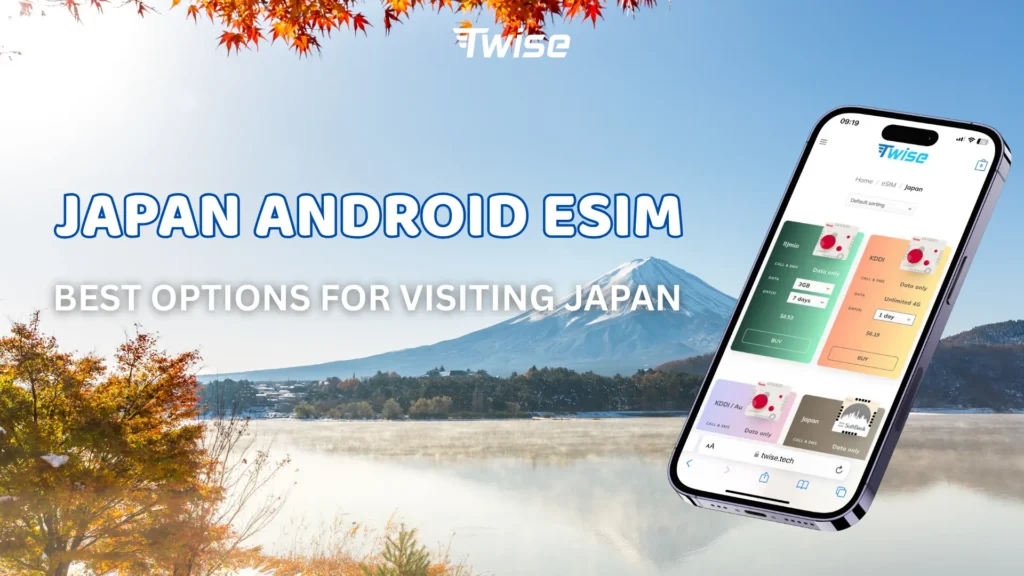
Japan Android eSIM: Best Options for Visiting Japan
Dec
The rise of eSIM technology has changed the way international travelers stay connected. Instead of hunting for a SIM card kiosk at the airport or dealing with Pocket WiFi rentals, millions of travelers now rely on eSIMs for seamless mobile data abroad. As Japan continues to be one of the world’s top travel destinations, demand for eSIM for Android in Japan options has increased dramatically.
Android users, in particular, benefit more than ever from eSIM technology because:
- No need to find stores onsite – You can activate your data before landing.
- Instant activation – Set everything up from home and go online the second you arrive.
- Flexible data plans – Switch plans easily when traveling between cities or during longer trips.
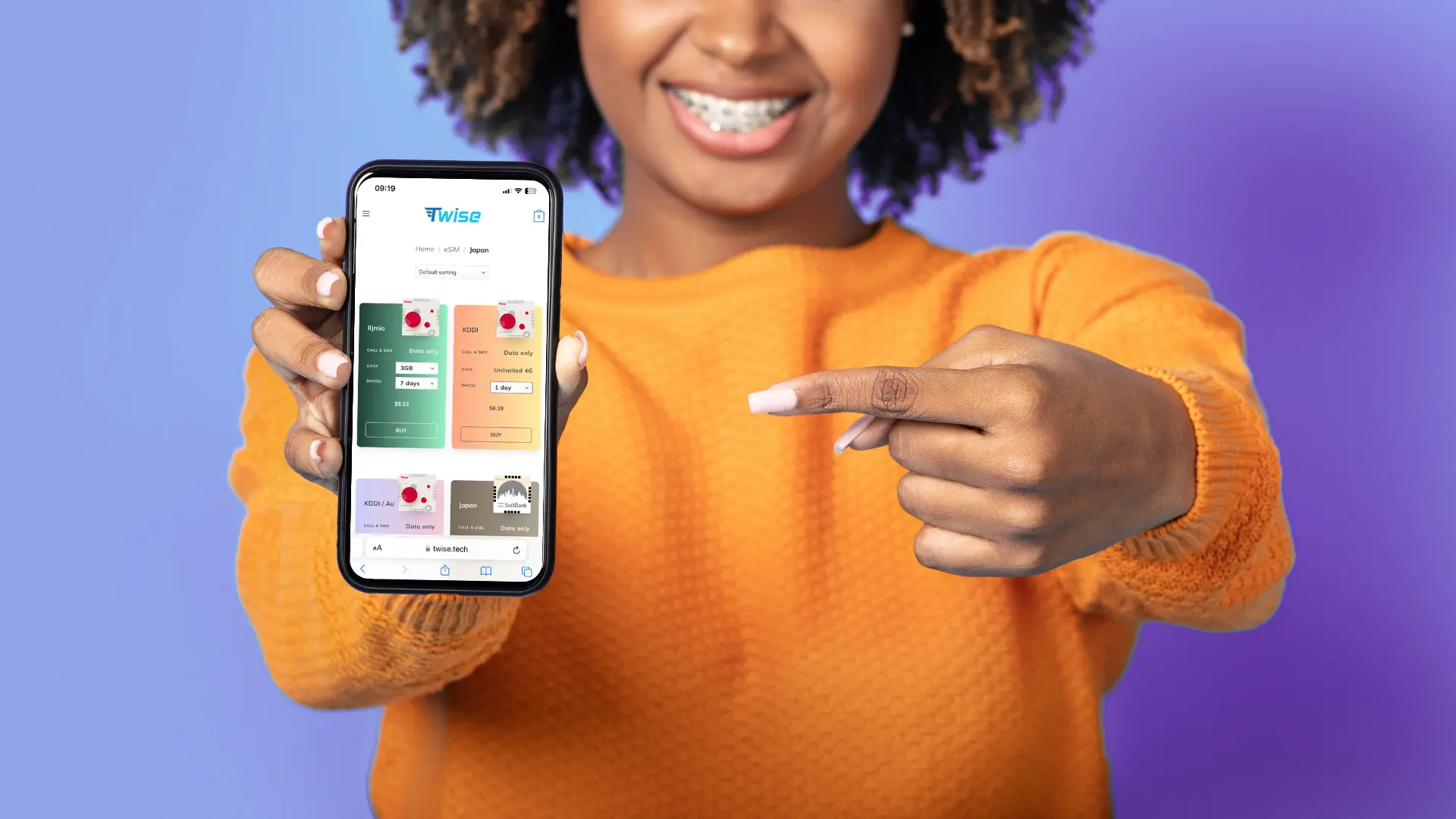
Japan is one of the most digitally connected nations in the world, with some of the fastest 5G coverage and extremely reliable networks. As a result, competition among eSIM providers is strong. Travelers have dozens of options, including domestic carriers, global travel eSIM brands, and specialized Japan-only providers such as Twise.

This guide breaks down everything Android users need to know: device compatibility, network performance, data plan types, and the best eSIM Japan Android options for every type of traveler. Whether you’re visiting for a short trip or planning an extended stay, this comprehensive guide will help you choose the ideal eSIM for Japan.
1. Is Your Android Device Compatible With eSIM in Japan?
Before choosing an eSIM, the first thing every traveler must confirm is whether their Android device can actually support eSIM technology in Japan. Many of the latest Android phones are compatible, but not all models include eSIM functionality or support Japanese network bands.
Below is a straightforward compatibility checklist and device list to help you verify.
Quick compatibility checklist
Your Android phone likely supports eSIM in Japan if:
- It was released in 2020 or later.
- It is unlocked (not tied to a specific carrier).
- It includes “eSIM” or “SIM Manager” in settings.
- It supports LTE Band 1, Band 3, Band 8, Band 18, Band 19, or Band 41 (commonly used in Japan).
- It appears on your provider’s compatibility list.
Common supported Android ranges
Here are the Android models most commonly compatible with eSIM Japan Android networks:
Samsung
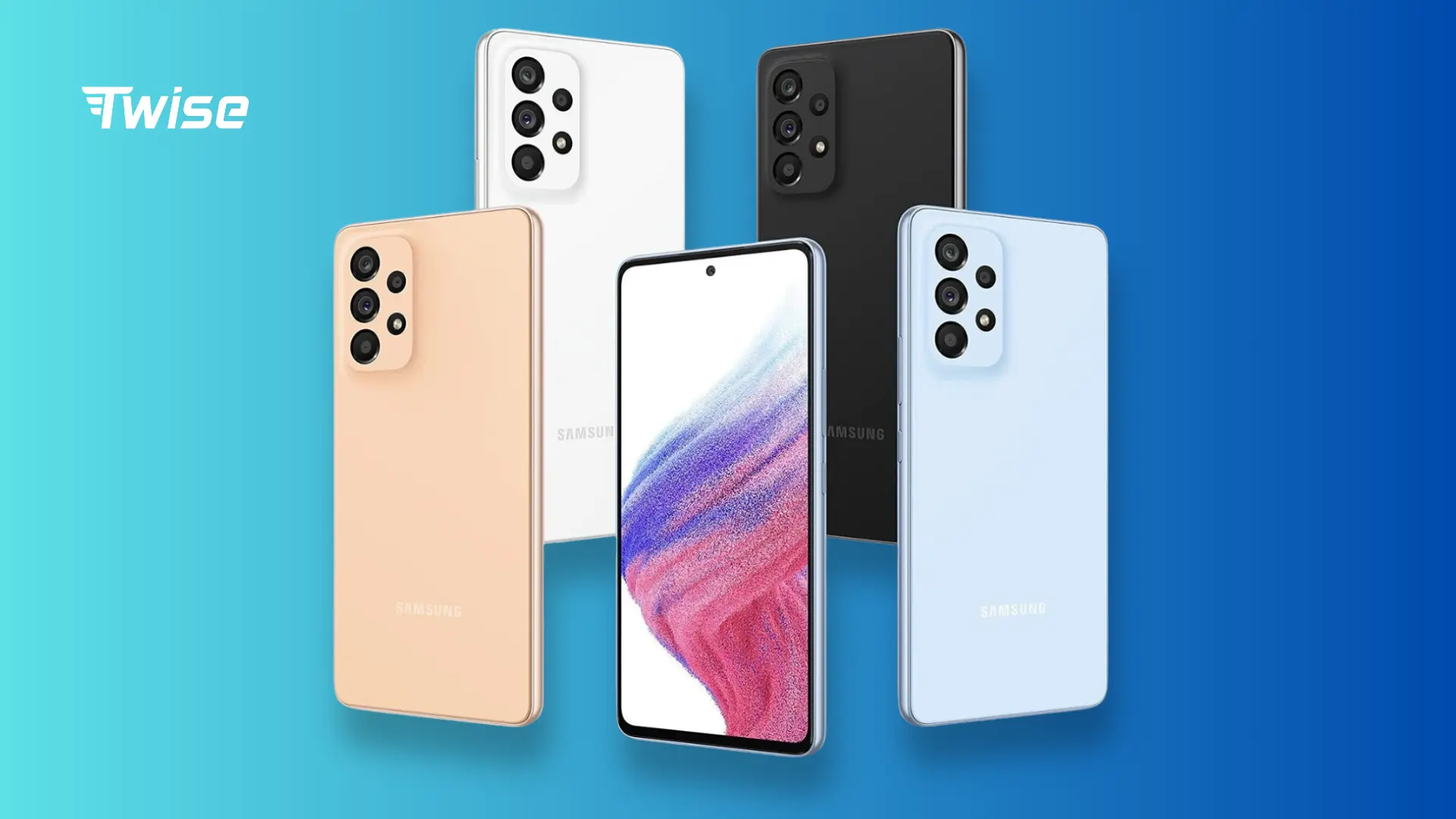
Most mid-range and flagship Samsung phones support eSIM:
- Galaxy S20, S20+, S20 Ultra
- Galaxy S21 / S21+ / S21 Ultra
- Galaxy S22 series
- Galaxy S23 series
- Galaxy S24 series
- Galaxy Note 20 / Note 20 Ultra
- Galaxy Z Flip / Flip 3 / Flip 4 / Flip 5
- Galaxy Z Fold 2 / Fold 3 / Fold 4 / Fold 5
Read more: Installing eSIM on Android Phones: A Step-by-Step Guide
Google Pixel
All recent Pixel devices support eSIM:
- Pixel 3a and newer (Pixel 3 US models excluded)
- Pixel 4, 5, 6, Pixel 7, Pixel 8
- Pixel Fold
OPPO
Models like the OPPO Find and Reno series often support eSIM, including:
- OPPO Find X3, X5
- OPPO Reno 6, 7, 8 (selected regions)
Xiaomi
Certain premium Xiaomi models offer eSIM support:
- Xiaomi 12, Xiaomi 13 series
- Xiaomi Mix Fold models
- Xiaomi 14 series
Motorola
Motorola’s flagship lineup includes eSIM functionality:
- Motorola Razr (2020/2022/2023)
- Moto Edge series
How to check eSIM compatibility on Android
The easiest method is through your phone’s settings.
On Samsung:
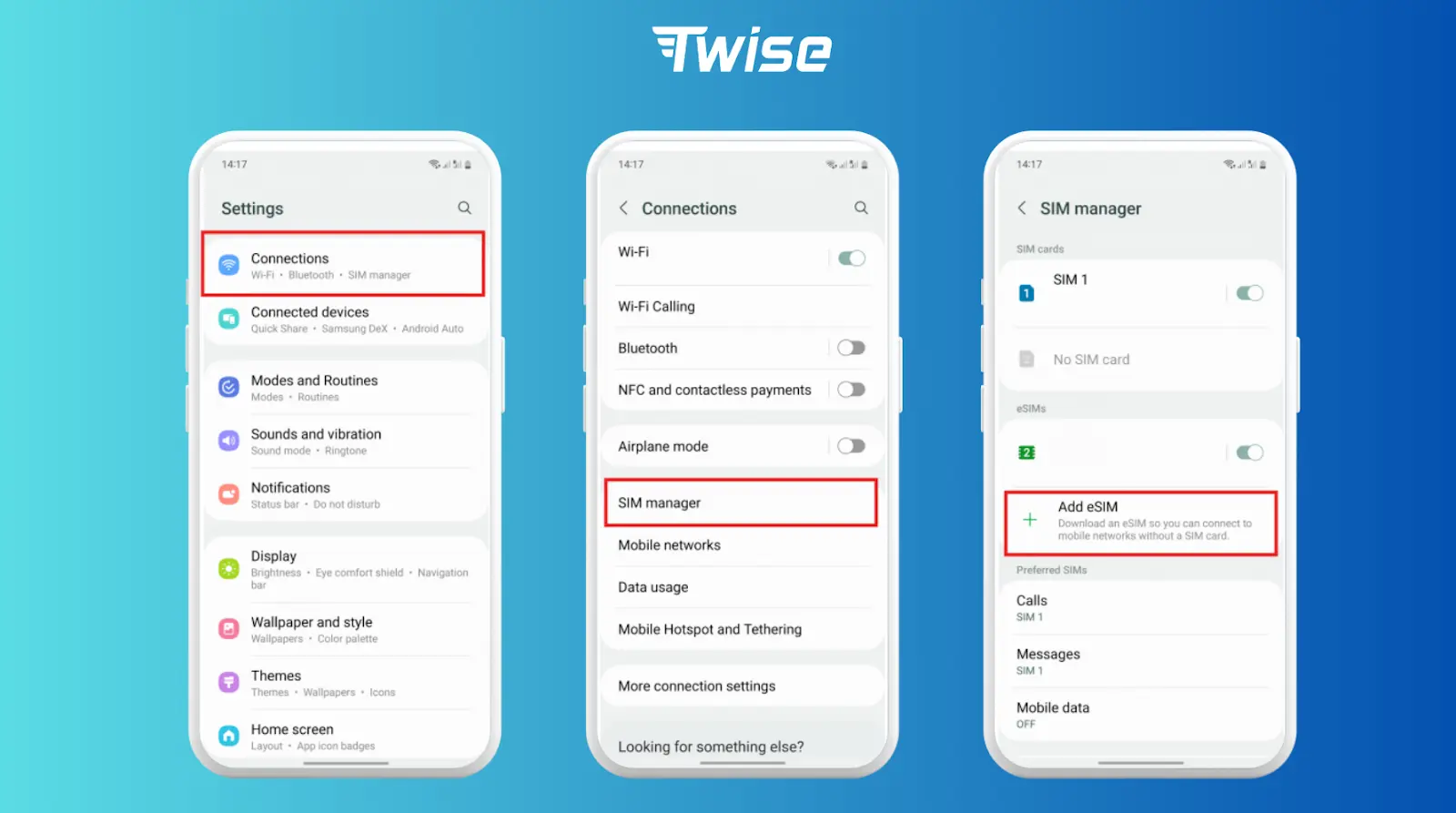
Settings > Connections > SIM Manager > Add eSIM
On Google Pixel:
Settings > Network & Internet > SIMs > Add eSIM
If your device shows an option to “Add eSIM,” you’re good to go.
Device model lookup guide
If you’re unsure, search online:
<Your phone model> + eSIM support
And confirm with both:
- Phone manufacturer website
- eSIM provider compatibility list
Carrier restrictions and unlocked phones
Important:
Japan requires your device to be SIM-unlocked. If your device is carrier-locked (especially US devices locked to AT&T, Verizon, or T-Mobile), certain eSIMs might fail to activate.
To avoid issues:
- Confirm your Android is unlocked.
- Update software to the latest version.
- Use a reputable eSIM provider with Japanese network partnerships.
2. How Japan Mobile Networks Work
Understanding Japan’s mobile ecosystem helps you choose the right Japan eSIM Android option. Japan has three major mobile carriers, each with different strengths.
Major networks in Japan
1. NTT Docomo
- Best overall coverage
- Strongest reception in mountains, rural areas, and small towns
- Excellent stability during peak hours
2. KDDI / AU
- Outstanding 4G/5G performance
- Especially strong in cities
- Great subway and indoor coverage
3. SoftBank
- Fast speeds in major metropolitan centers
- Reliable for short-term urban trips
- Strong 5G availability in tourist hotspots
Coverage density
Japan’s mobile infrastructure is extremely dense, meaning:
- Strong performance in metro areas
- Reliable 4G even in tunnels and subways
- Smooth data access in theme parks, shopping areas, shrines, and train stations
However, rural areas—mountains, lakes, remote islands—still vary in coverage.
Rural vs. urban performance
- Docomo: Best for rural, countryside, northern regions, and hiking routes.
- KDDI/AU: Balanced performance between cities and rural areas.
- SoftBank: Focused on urban performance (Tokyo, Osaka, Kyoto, Nagoya).
Peak traffic speeds
Speeds depend on:
- Time of day
- Crowded areas (Shibuya, Shinjuku, Osaka Namba)
- 5G availability
KDDI and SoftBank often deliver faster 5G speeds, while Docomo tops consistency.
Why network selection matters for Android users
Android devices come in many variations, each with different antennas and modems. Japan’s networks use unique frequency bands, so choosing the wrong network could result in:
- Slower speeds
- Higher latency
- Occasional signal drops
Picking the right provider ensures smooth connectivity.
3. Key Factors When Choosing an Android eSIM for Japan
Not all eSIMs are equal. When comparing options, consider the following elements.
1. Data allowance
Depending on your trip duration and usage:
- Unlimited data plans (best for heavy users)
- High-capacity fixed plans (10–50GB for medium users)
- Small plans (3–5GB for light use)
Unlimited plans often include Fair Use Policies (FUP)—after excessive daily usage, speeds may temporarily reduce.
2. Network quality
A domestic-network eSIM will always outperform global travel eSIMs because:
- Data routes through a Japanese carrier
- Lower latency
- Faster 4G/5G speeds
- More reliable performance
3. Speed limitations
Some providers throttle speeds after heavy use, typically dropping to 128 Kbps once limits are exceeded. Always check:
- Daily limits
- Fair-use policies
- Download/upload capabilities
4. Validity period
Japan trip lengths vary widely. Choose a plan that fits your schedule:
- 3 days
- 5 days
- 7 days
- 15 days
- 20–30 days
- 60–90 days
Longer validity often means better value.
5. International vs. domestic providers
Domestic Japanese eSIM providers (like Twise):
- Best performance
- Optimized for local network usage
- More reliable speeds
- Better coverage
Global eSIM brands:
- Convenient
- Often more expensive
- Sometimes slower due to roaming routing
6. Customer support
Choose providers with:
- 24/7 support
- Step-by-step guides
- Clear troubleshooting instructions
This is especially important for Android because settings vary by brand.
7. Installation method
Android users typically install via:
- QR code
- Or manual activation with SM-DP+ address
Both methods work well, but QR is easiest.
4. Top eSIM Options for Android Users Traveling to Japan
Below are the strongest, most reliable esim for android japan choices for 2025, based on coverage, speed, and user experience like Twise.
a. Twise – KDDI Unlimited Data eSIM
This is one of the most popular unlimited Japan eSIMs for Android users.
Why it’s great
- True unlimited high-speed data (with reasonable FUP)
- Powered by AU/KDDI, one of Japan’s fastest networks
- Excellent signal strength in cities and subways
- Especially good for video streaming, Google Maps, and VoIP apps
- Strong 4G/5G speeds across major prefectures
Best for
- Heavy data users
- Business travelers
- Long city-to-city trips
- Travelers needing constant, stable internet
Notes on activation
- Works instantly via QR code
- If you exceed daily fair-use, speeds may temporarily reduce
- Perfect for Android phones with 5G support
b. Twise – IIJmio (Docomo Network – High Capacity Plans)
IIJmio is one of the strongest MVNOs in Japan using the Docomo network—Japan’s widest and most reliable.
Why it’s great
- Large data allowances: 3GB, 5GB, 10GB, 20GB, 30GB+
- Strong coverage in countryside, mountains, and island areas
- Ideal for travelers going beyond Tokyo/Osaka
Best for
- Backpackers
- Travelers exploring rural regions (Hokkaido, Kyushu, Okinawa)
- Long-term stays
- People who prioritize stability over max speed
Benefits for Android
- Strong compatibility across Samsung, Pixel, and Xiaomi
- Very stable connection even with older Android models
- Works well for offline maps, GPS navigation, and messaging apps
c. SoftBank-Based eSIM (Daily Unlimited Plans)
SoftBank’s daily unlimited eSIMs are widely used by short-term travelers.
Why it’s great
- Fast speeds in major cities
- Unlimited daily data (with fair-use limits)
- Great for dense metropolitan exploration
Best for
- 3–7 day trips
- Urban travelers (Tokyo, Osaka, Nagoya, Kyoto)
- Light to moderate data users
Strengths
- Smooth performance in trains, malls, airports, and busy streets
- Easy installation via QR code
- Reliable 5G in city centers
5. Installation Step-by-Step Guide for Android
Installing a Japan eSIM Android plan is straightforward, but steps vary slightly across devices. Use this universal guide for smooth activation.
1. Check compatibility
Confirm your phone supports:
- eSIM
- Unlock status
- Japanese network bands
2. Back up current SIM profile
Optional, but helpful if switching between SIMs.
3. Purchase eSIM online
Pick a provider such as Twise, choose your data plan, and complete payment.
4. Activate your eSIM
You can install it via:
Method A: QR code (recommended)
- Go to Settings
- Open SIM Manager or Network & Internet
- Select Add eSIM
- Scan QR code
Your phone will download the eSIM profile.
Method B: Manual activation
If QR code scanning doesn’t work:
- Enter SM-DP+ address
- Enter activation code
- Confirm installation
5. Enable mobile data
Ensure the new eSIM is set as the active data SIM.
6. Turn on data roaming
Required for international eSIMs, even though Japan is local routing.
7. Restart device
Helps the network register immediately.
Troubleshooting Tips
1. APN settings not applying
- Manually enter APN values provided by your eSIM provider.
- Toggle airplane mode ON/OFF.
2. No service on arrival
- Restart device
- Reinstall eSIM profile
- Ensure data roaming is ON
3. eSIM not detected
- Update Android OS
- Reset network settings
- Try manual activation
4. Dual-SIM conflicts
If you have two SIMs active:
- Set eSIM as “Preferred for data”
- Disable data on physical SIM
6. Japan eSIM Comparison Table
| Provider | Network | Data Type | Best For |
| Twise – KDDI | AU/KDDI | Unlimited | Heavy users & business travel |
| Twise – IIJmio | Docomo | High-capacity | Long stays & rural exploration |
| SoftBank options | SoftBank | Unlimited daily | Short urban trips |
Conclusion
Choosing the right esim for android japan dramatically enhances your travel experience. Japan’s ultra-reliable networks make it easy to stay connected, but the right eSIM depends on your travel style.
Key recommendations
- KDDI unlimited (via Twise) → Best for heavy users who need the fastest and most stable experience.
- Docomo high-capacity plans (via IIJmio / Twise) → Best for long-term travelers, hikers, and rural explorers.
- SoftBank daily unlimited → Ideal for short stays centered around major cities.
By matching your eSIM to your trip length, data needs, and coverage priorities, you’ll ensure a smooth, stress-free Japan adventure. Android users enjoy excellent compatibility, easy installation, and powerful network performance—making eSIM the smartest choice for staying online in Japan.
Twise’s customer support is available 24/7 to assist you. You can contact them through the official channels below for immediate help:
- Facebook Fanpage: Twise
- Email: [email protected]
- WhatsApp: (+1) 818-915-0777
