

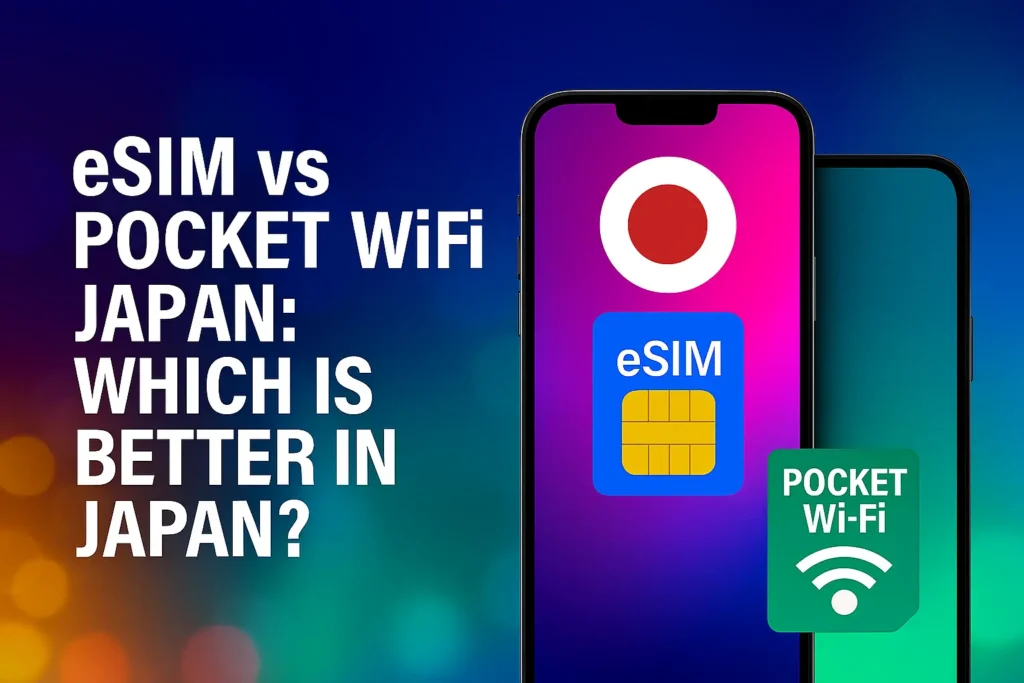
eSIM vs Pocket WiFi Japan: Which Is Better in Japan?
Dec
Japan is one of the most connected countries in the world, with fast 4G and 5G coverage spreading across major cities, rural regions, and popular tourist areas. As travelers become more digital – using Google Maps, translation tools, mobile payments, social media, and streaming—the need for reliable internet during a Japan trip has skyrocketed.
Today’s visitors mainly choose between two options for staying online: eSIM vs Pocket WiFi Japan
Both solutions allow travelers to access the internet across Japan, but they work differently and fit different travel styles. Some prefer the simplicity and convenience of eSIMs, while others rely on Pocket WiFi when traveling in groups or using multiple devices. To compare both options in terms of cost, speed, coverage, convenience, reliability, and ideal use cases—so you can confidently decide whether an eSIM or Pocket WiFi is better for your Japan trip.
1. What Is an eSIM and How It Works in Japan
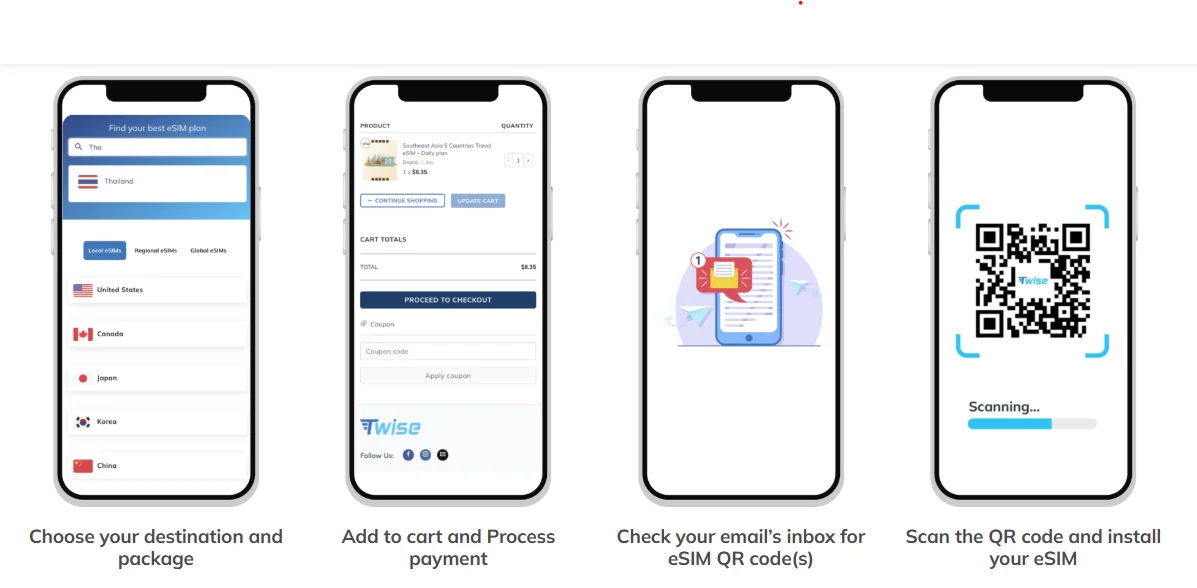
An eSIM (embedded SIM) is a digital SIM already built into your smartphone. Unlike traditional SIM cards, it requires no physical chip, and you can activate it instantly by scanning a QR code. This makes it one of the easiest and fastest ways to get connected in Japan.
How eSIM works in Japan
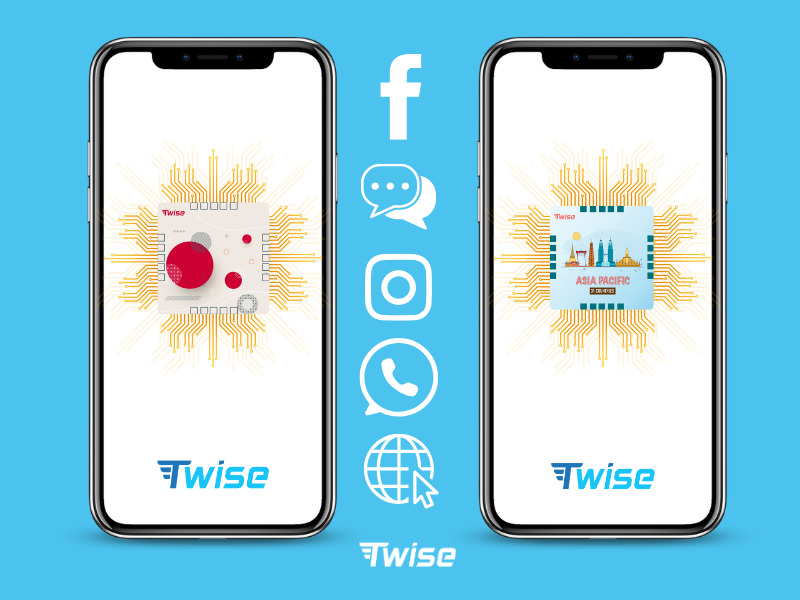
When you purchase a Japan eSIM—such as through Twise, one of the most popular providers among international travelers—you receive a QR code that activates mobile data on Japan’s major networks:
- Docomo (IIJmio)
- KDDI (au)
- SoftBank
These networks are known for having some of the best coverage and fastest speeds in the world.
Compatible Devices
Modern smartphones support eSIM, including:
- iPhones (XR or newer)
- Samsung Galaxy models
- Google Pixel
- Xiaomi & Oppo models with eSIM support
If your device supports eSIM, you can:
- Buy a data plan online
- Activate it before leaving your country
- Land in Japan with data already working
When an eSIM Is the Most Practical Solution
An eSIM is ideal if you:
- Want the easiest, fastest setup
- Prefer travel without carrying extra devices
- Are traveling solo
- Want instant activation anywhere in the world
- Don’t want the hassle of device pickup or return
- Need strong and stable 4G/5G speeds
- Want to avoid battery and charging issues
For most modern travelers, the Japanese eSIM has become the default, hassle-free choice.
2. What Is Pocket WiFi and How It Works
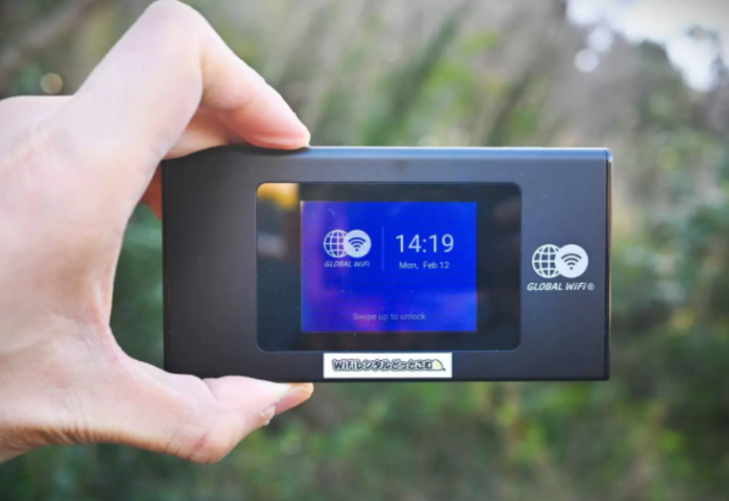
A Pocket WiFi is a small portable hotspot device that provides internet access through a Japanese SIM card inside the unit. You rent it for the duration of your trip, then return it at the end.
How Pocket WiFi Works
- You rent the device from a provider
- Pick it up at the airport counter, hotel, or via delivery
- Connect your phone/tablet/laptop to the device’s WiFi signal
- Keep the device charged throughout the day
- Return it before leaving Japan
Best For
Pocket WiFi is popular among:
- Groups of friends
- Families
- Travelers with older smartphones
- People who need to connect multiple devices
It remains a go-to option for travelers who aren’t confident with smartphone settings or whose devices don’t support eSIM.
3. Connectivity Performance Comparison
When comparing Japan eSIM vs Pocket WiFi, the most important factors are speed, stability, and coverage. Here’s how both options perform in real travel situations.
a. Network Stability
eSIM
An eSIM connects directly to Japan’s major networks (Docomo, KDDI, SoftBank), offering the most stable connection possible. Since it connects exactly as a local SIM would, stability is excellent—even on high-speed trains or rural areas. You could buy it outside Japan via some trusted providers like Twise.
Pocket WiFi
Performance depends on:
- The quality of the router
- The battery level
How many devices are connected - The signal received by the device
Even if the underlying SIM is good, a weak router can reduce performance.
Winner: eSIM
b. Speed
eSIM
- Uses full-speed 4G/5G
- No shared bandwidth
- Consistent speed for navigation, videos, and social media
Pocket WiFi
- Speed can drop when multiple devices connect
- Some routers use older 4G/LTE standards
- Congestion can slow down hotspots faster than phones
Winner: eSIM (especially for iPhone, Samsung, Pixel users)
Read more: Japan eSIM Speed Test: Which Provider is the Fastest?
c. Coverage Across Japan
Coverage varies a lot when traveling outside major cities.
eSIM Coverage
Depends on the network:
- Docomo (IIJmio) → Best countryside and nationwide coverage
- KDDI (au) → Excellent in both urban and rural regions
- SoftBank → Best in major cities (Tokyo, Osaka, Kyoto, Nagoya)
Pocket WiFi Coverage
Pocket WiFi uses the same networks as above, but performance can drop because of:
- Signal interference
- Older router technology
- Device overheating
- Battery-saving mode
Coverage Winner: eSIM (especially Docomo & KDDI)
4. Cost Comparison
Cost differences are one of the biggest reasons travelers choose Japan eSIM over Pocket WiFi.
a. eSIM Costs
eSIM pricing is simple:
- No shipping fees
- No deposit
- No device insurance
- Pay only for the data plan
Prices depend on:
- Validity period (7 days, 15 days, 30 days)
- Data allowance (1GB/day, 3GB/day, 10GB, 30GB, unlimited)
- Network used (Docomo, KDDI, SoftBank)
Examples:
- 3GB plan: affordable for short trips
- Unlimited plan: ideal for heavy users
You can cancel anytime and buy more data instantly.
b. Pocket WiFi Costs
Pocket WiFi usually costs more overall because it includes rental fees and extra charges:
Rental Costs
- Daily rental fee
- Higher price for unlimited models
Extra Fees
- Security deposit
- Insurance (optional but recommended)
- Power bank rental
- Delivery to hotel
- Airport pickup fee
- Late return charges
- Damage or loss fees (often $150–$300)
For solo travelers, these costs add up quickly, making Pocket WiFi generally more expensive than eSIM.
Read more: Cheapest eSIM for Japan: From $4 — SoftBank & Affordable Unlimited KDDI Plans
5. Setup and Convenience
This is where the difference between eSIM vs Pocket WiFi in Japan becomes very clear.
a. eSIM Convenience
eSIMs are designed for travelers who value speed and simplicity. With an eSIM, you can purchase your plan online from anywhere in the world and activate it in just a few minutes. There’s no need to pick up a device, carry extra equipment, or worry about charging and returning anything after your trip.
Once installed, your eSIM works instantly upon landing. Many travelers arrive in Japan with mobile data already active by the time they pass immigration, allowing them to check maps, messages, or transportation apps immediately.
b. Pocket WiFi Convenience
Pocket WiFi, while functional, requires significantly more effort. Travelers must pick up the device at the airport or arrange hotel delivery before arrival. The device needs to be charged daily—sometimes more than once—and carried at all times during the trip.
In addition, Pocket WiFi must be returned before departure, adding extra steps on your final day. There’s also the risk of forgetting, damaging, or misplacing the device, which can lead to additional fees.
Pocket WiFi works well once properly set up, but it comes with higher responsibility and less flexibility compared to eSIMs.
Convenience Winner: eSIM
6. Multi-Device Usage
This is the one area where Pocket WiFi can outperform eSIM.
eSIM
- Works on one smartphone
- You can use hotspot sharing, but:
- iPhones often limit tethering on some eSIM plans
- It drains your phone battery faster
Pocket WiFi
- Connect 5–10 devices simultaneously
- Ideal for:
- Families
- Friends traveling together
- Travelers with laptops + tablets + phones
If you’re traveling as a group, Pocket WiFi may be the more economical choice.
7. Comparison Table: Japan eSIM vs Pocket WiFi
| Feature | eSIM | Pocket WiFi |
| Setup | Instant online activation | Airport pickup or hotel delivery |
| Equipment | None | Device + charger + cable |
| Multi-device support | Limited (phone hotspot) | Excellent (5–10 devices) |
| Cost | Usually cheaper | Higher overall |
| Speed | Strong 4G/5G | Shared bandwidth |
| Stability | Direct carrier connection | Depends on router quality |
| Battery | No extra device needed | Must charge router daily |
| Risk | No loss risk | High loss/damage fees |
| Coverage | Excellent (Docomo/KDDI/SoftBank) | Good, but device-dependent |
| Return Process | None | Must return before departure |
| Best For | Solo travelers, digital nomads, light/medium users | Families, groups, multi-device travelers |
Conclusion
When comparing esim vs pocket wifi japan, the best option depends on your travel style. But for most travelers in 2025, the eSIM offers the most practical and cost-efficient solution.
Unlike Pocket WiFi – which requires airport pickup, extra equipment, and a cumbersome return process – a Twise Japan eSIM can be purchased from anywhere in the world, including:
- The United States
- Europe
- Southeast Asia
- Australia
You can activate your eSIM before your flight and arrive in Japan with mobile data already working – no waiting in line, no contracts, no charging devices.
Best Overall Choice → eSIM (Twise Japan eSIM)
Perfect for most travelers thanks to:
- Instant activation
- No equipment
- Strong nationwide coverage
- Lower cost
- Reliable speeds
Best for Groups → Pocket WiFi
Ideal when you need to connect many devices at once.
Twise’s customer support is available 24/7 to assist you. You can contact them through the official channels below for immediate help:
- Facebook Fanpage: Twise
- Email: [email protected]
- WhatsApp: (+1) 818-915-0777
