

How to Travel Cheap in Canada: Budget Transport, Food, Phone Data & City Travel Tips
Learning how to travel cheap in Canada starts with controlling distance, not chasing the lowest hotel or flight price. Choose one region, travel outside peak dates when practical, stay near transit, cook selected meals, and compare buses, trains, rideshares, flights, and rental cars by total cost. Reliable phone data also protects the budget by keeping maps, tickets, hotel messages, weather, transit apps, and payment verification available. This guide explains how route design, accommodation location, public transport, food habits, free attractions, and an eSIM or prepaid data plan can reduce costs without making the trip unnecessarily difficult for international budget travelers.
Quick Answer: What Is the Cheapest Way to Travel in Canada?
The short answer for first-time travelers
The cheapest way to travel Canada is to select one region, avoid the busiest dates when possible, use city transit and intercity buses strategically, stay somewhere with kitchen access, cook part of the trip, and prioritize free outdoor experiences. Avoid home-carrier roaming and last-minute airport decisions that can erase several days of food savings.
Canada is expensive when you travel too far
Canada’s scale is the largest hidden budget problem. Toronto, Vancouver, Banff, Montreal, and Halifax are not neighboring stops. Linking them can require several flights, long rail journeys, or major driving costs. A Toronto-Montreal-Quebec City trip is usually easier to budget than a route that jumps from Ontario to Alberta and British Columbia.
Where phone data fits into budget travel
A travel eSIM helps travelers compare routes, open public-transit apps, message accommodation, retrieve tickets, check maps, and avoid default home roaming. Connectivity is not only a convenience expense; it can prevent unnecessary taxi rides, missed buses, and expensive rebooking.
Average Daily Costs in Canada: What Budget Travelers Should Expect
Budget traveler
A budget traveler uses hostel dorms or simple shared rooms, public transit, groceries, food courts, free attractions, and limited restaurant meals. The daily total changes sharply by city and season, so use a flexible category budget rather than one universal number for the entire country.
Mid-range traveler
A mid-range traveler may book a private room, eat several restaurant meals, use occasional rideshare trips, pay for selected attractions, and include a short domestic flight or train. Savings still come from location, route design, and advance planning rather than choosing the cheapest item in each category.
Outdoor traveler
Camping can reduce nightly accommodation cost, but the real budget must include equipment, campground reservations, park access, car rental, fuel, food storage, weather gear, and the possibility that a remote site has limited mobile coverage. A hotel-free trip is not automatically a low-cost trip.
The real cost drivers
- Distance between regions and the number of long travel days.
- Accommodation season and city demand.
- Whether the property is near transit, groceries, and attractions.
- Restaurant frequency, taxes, and tipping.
- Paid tours, park admissions, and reservation fees.
- International roaming or an unsuitable data plan.
- Last-minute flights, buses, trains, ferries, or campsites.
1. Narrow Down Your Canada Adventure Before Booking Anything
Choose one region, not the whole country
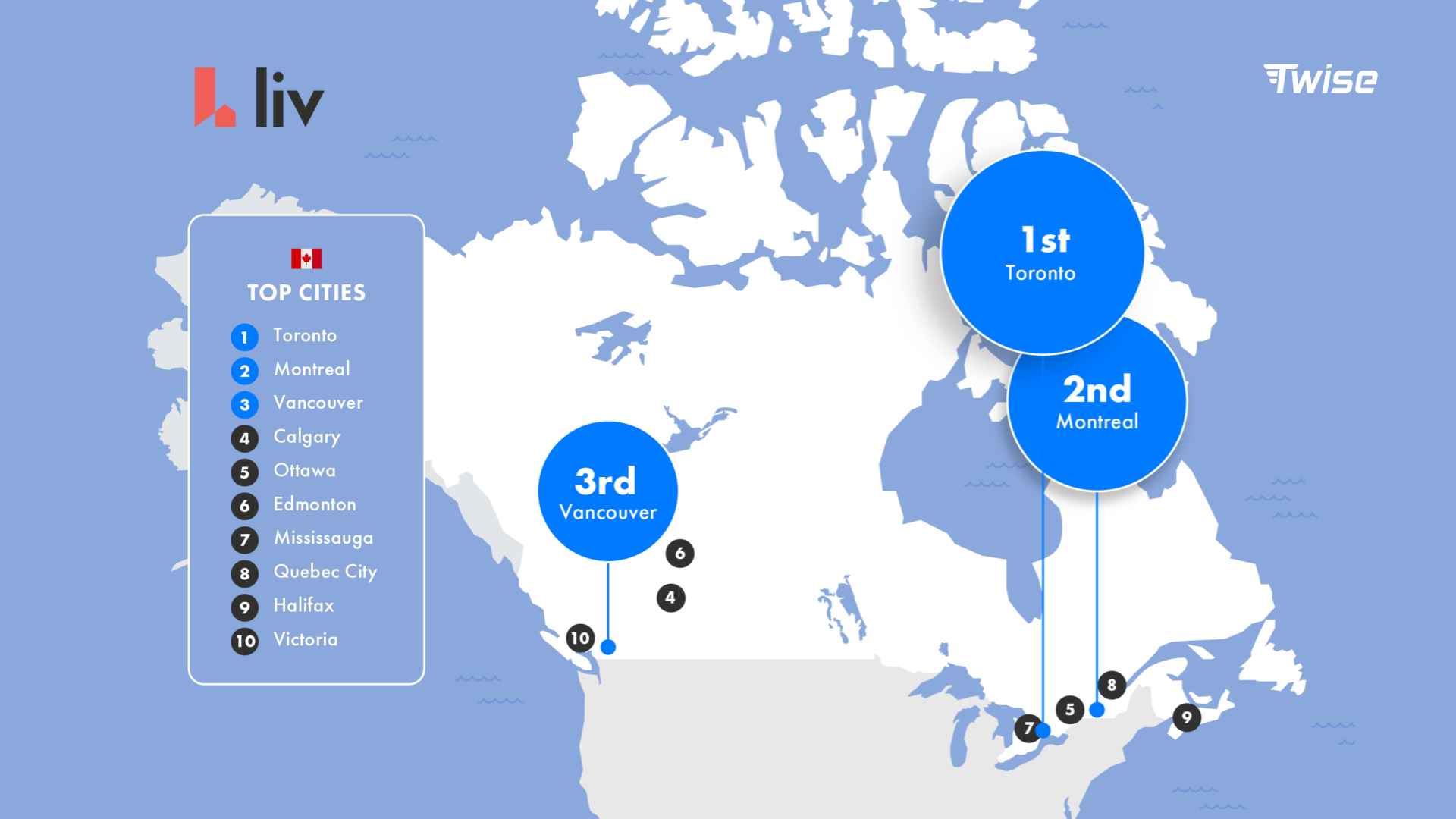
The first rule for how to travel cheap in Canada is to reduce unnecessary kilometres. Build the trip around one corridor or gateway. Ontario and Quebec work together more naturally than Ontario and the Rockies. Vancouver and Victoria can share a regional plan, while Calgary is a more logical starting point for Banff than Toronto.
Best budget-friendly route examples
- Ontario + Quebec: Toronto, Ottawa, Montreal, and Quebec City using buses or trains selectively.
- Vancouver + Victoria: city transit, ferry planning, and fewer long-distance flights.
- Calgary + Banff: one airport gateway with shuttle, bus, or carefully priced car options.
- Halifax + Nova Scotia: a slower Atlantic route with a city base and selected coastal transport.
- Montreal + Quebec City: two walkable cities connected by an established intercity corridor.
When cross-country travel becomes expensive
Cross-country travel adds domestic flights, baggage fees, airport transfers, long train tickets, accommodation during transit, and the opportunity cost of spending days moving. A route can look affordable when only base fares are compared, then become expensive after taxis, checked luggage, meals, and missed accommodation nights are included.
How mobile data helps with route planning
Mobile data lets travelers compare bus times, monitor flight changes, check weather, message hosts, find the correct station, and adjust a route while moving. Offline planning remains valuable, but live information matters when a long-distance connection changes and the next affordable option is limited.
2. Travel in Shoulder Season to Save on Flights and Accommodation
Best cheaper months for many travelers
May-June and September-October can offer better value in many destinations because demand may be lower than peak summer. Conditions vary by region: mountain trails, seasonal roads, ferries, attractions, and campgrounds may not operate identically throughout those months. Check the actual activity calendar before booking only for price.
When prices rise
Mid-summer, long weekends, winter ski periods, major festivals, cruise arrivals, and high-demand national-park dates can reduce budget inventory. A low-cost hostel, campsite, or rental car may sell out before premium options, so waiting for a last-minute discount can have the opposite effect.
What to book early
- Flights on limited or high-demand domestic routes.
- Popular hostels and central budget accommodation.
- National-park campgrounds and special lodging.
- Train or bus legs with limited departure times.
- Summer accommodation in Banff, Jasper, Vancouver Island, and other high-demand areas.
Phone data angle
Use mobile data to track booking changes, wildfire or weather updates, road and trail conditions, schedule changes, and last-minute hotel or bus availability. The cheapest original plan can become costly if a disruption is not discovered until the traveler reaches a closed station or cancelled activity.
3. Choose Cheaper Arrival Airports and Avoid Expensive Transfers
Compare arrival cities before booking
Compare the entire route rather than only the international airfare. Montreal can be a practical entry point for Quebec, Calgary for the Rockies, Halifax for Atlantic Canada, and Vancouver for the West Coast. A cheaper flight into the wrong gateway can require another flight, long bus, or expensive one-way car rental.
Airport-to-city transport matters
Airport trains, buses, transit surcharges, late-night taxis, and distant accommodation can change the real arrival cost. Check the final public-transit departure, luggage rules, payment method, and walking distance from the final stop. A hotel near a direct airport connection may be better value than a cheaper room requiring two transfers.
First 60 minutes after landing in Canada
- Connect the eSIM or airport Wi-Fi and test mobile data.
- Open the saved hotel address and booking confirmation.
- Check the current public-transit route and service hours.
- Compare public transit with an official taxi or rideshare only if needed.
- Message the property if arrival will be late.
- Load the ticket, fare app, or payment card before leaving the terminal.
Twise eSIM fit
A travel eSIM helps first-time visitors avoid solving data, transport, and hotel communication simultaneously at the airport. The practical benefit is having maps and messages working before deciding whether the lowest-cost airport option is still available at the actual arrival time.
4. Use Public Transit in Canadian Cities Instead of Taxis
Toronto
Toronto’s subway, streetcars, and buses can replace many car trips. The official TTC fares and passes page explains current payment options, transfer rules, PRESTO products, contactless payment, and day-pass availability. Compare pay-as-you-go with a pass based on the number of rides, not simply the number of days in the city.
Vancouver
SkyTrain, buses, and SeaBus can cover many city and airport journeys. Fare zones, time of day, airport surcharges, and the number of rides affect the best option. A transit-friendly neighborhood can reduce both car costs and the need for frequent rideshare trips.
Montreal
Montreal’s Metro, buses, and walkable central neighborhoods make a no-car city stay realistic. Compare single fares, day or multi-day products, and airport access against the actual itinerary. Staying near a useful Metro line matters more than being close to one attraction.
Calgary, Ottawa, Quebec City and Halifax
Transit still helps in these cities, but route frequency and walking distance deserve more attention outside the densest areas. Calgary can work well around CTrain corridors, Ottawa around major transit routes, Quebec City within walkable historic areas, and Halifax around the peninsula and ferry connections.
What to check before buying a pass
- Trip length and the number of rides per day.
- Whether airport transport is included or separately priced.
- Fare zones and transfer windows.
- Weekend, evening, child, youth, or senior rules where relevant.
- Whether accommodation is close to the routes you will actually use.
5. Compare Intercity Buses, Rideshares, Trains and Budget Flights
Cheapest option depends on the route
Toronto-Montreal has several ground-transport choices, while Vancouver-Banff, Calgary-Jasper, or Halifax-coastal routes have different tradeoffs. Compare door-to-door duration, luggage, station location, schedule, cancellation policy, and arrival time.
Intercity buses
Buses are often useful on major corridors and for travelers who can accept longer travel time. Check the exact terminal, pickup instructions, seat and luggage rules, rest stops, and whether arrival is late enough to require another taxi.
Rideshares
Long-distance rideshare platforms can reduce costs by splitting fuel, especially between university towns or cities with weak bus service. Review the driver profile, meeting point, route, luggage space, cancellation terms, and whether the pickup or drop-off is accessible by transit.
Trains
Train travel can be scenic and comfortable, but it is not automatically the cheapest choice. Compare sale or advance fares with buses and flights. The train may still offer better total value if it avoids airport transfers, baggage fees, security time, or a difficult late-night arrival.
Budget airlines
Budget flights make sense for long distances when time is limited. Compare the final checkout cost after carry-on and checked baggage, seat selection, payment fees, airport transport, and schedule risk. A low base fare can become more expensive than a train once every extra is included.
Comparison table
| Transport option | Best for | Budget risk | Data needed for |
| City transit | Urban travel | Wrong pass or poor accommodation location | Maps, schedules, fare apps |
| Intercity bus | City-to-city budget routes | Long travel time or remote terminal | Tickets, station info, delays |
| Rideshare | Flexible intercity trips | Safety, luggage, pickup uncertainty | Driver messages, maps |
| Train | Scenic routes and comfort | Higher prices on some routes | Tickets, schedule updates |
| Budget airline | Long distances | Baggage and airport-transfer fees | Check-in, boarding passes |
| Rental car | Parks and rural routes | Fuel, parking, insurance | Maps, parking, weather |
| Campervan | Outdoor routes | Rental, fuel, campsite costs | Campsites, maps, weather |
6. Stay Somewhere That Reduces Transport and Food Costs
Hostels and university residences

Hostels can reduce cost through dorm beds, kitchens, laundry, and central locations. University residences may open to short-term visitors during academic breaks in some cities. Check booking dates, room type, bathroom setup, air conditioning, luggage storage, and distance to public transit.
Accommodation with kitchens
A kitchen can save more than a slightly cheaper room far from transit. Breakfast, packed lunches, and simple dinners reduce the number of taxed and tipped restaurant meals. Confirm whether the kitchen has cookware, refrigerator space, and realistic opening hours.
Outskirts vs city center
Outskirts can be good value only when the route is safe, frequent, and affordable. Calculate the daily transit fare, travel time, and last service. A central room can be cheaper overall if it replaces multiple rides and makes free walking activities practical.
Camping and national park stays
Camping can lower accommodation cost in outdoor regions, but reservations, equipment, weather, food storage, wildlife rules, vehicle access, and limited services matter. A remote cheap campsite can require an expensive car and substantial fuel.
What to check before booking
- Distance to public transit, grocery stores, and the activities you plan to use.
- Kitchen access and food-storage rules.
- Late check-in and after-hours entry.
- Wi-Fi quality and mobile coverage.
- Laundry cost, luggage storage, and cancellation rules.
- Airport, train, bus, or tour pickup access.
7. Save Money on Food Without Missing Canada’s Food Scene
Cook some meals
Breakfast and simple dinners are the easiest meals to save on because they require little planning. Oats, fruit, bread, eggs, pasta, soup, and prepared grocery items can balance restaurant spending. A packed breakfast also helps on early park, train, or bus days.
Use grocery stores and food courts
Discount supermarkets, large grocery stores, local markets, bakeries, and mall food courts can offer better value than full-service restaurants. Compare prepared-food counters with takeaway meals and look for accommodation near a grocery store rather than relying on a convenience shop for every meal.
Plan when to dine out
Use restaurant spending for experiences that matter: regional dishes, a good seafood meal, poutine, a cultural neighborhood, or a special café. Lunch specials, happy hours, food trucks, bakeries, Chinatown and other diverse food districts, and casual counter-service restaurants may cost less than a full-service dinner.
Understand tax and tipping
Menu prices may not be the final amount. Sales tax varies by province and is generally added at payment, while table-service dining commonly involves a tip. Check the machine carefully so a service charge and an additional tip are not both added unintentionally.
Use phone data to find food deals
Mobile data helps locate grocery stores, menus, food courts, affordable neighborhoods, recent reviews, surplus-food offers, and restaurants that are still open. It can also prevent a long paid ride to a venue that has changed hours.
8. Use Free and Low-Cost Attractions Before Paying for Big Tickets
Free city experiences
Public parks, waterfronts, markets, neighborhoods, street art, viewpoints, festivals, university campuses, libraries, and self-guided walking routes can fill several days. Build the itinerary around free geographic clusters, then add one or two paid attractions.
Museum and gallery free times
Some museums and galleries provide free or discounted windows. Verify the current date, time, reservation requirement, and eligible collection on the official website. A free evening can be crowded, so arrive with a backup activity nearby.
National parks and Discovery Pass
The official Parks Canada passes page explains that a Discovery Pass covers admission to more than 80 Parks Canada destinations for 12 months. For summer 2026, Parks Canada is also offering free admission and a discount on eligible camping and overnight stays from June 19 to September 7, so travelers should compare current seasonal offers before buying a pass.
When a Discovery Pass is not necessary
A pass may not provide value if the trip includes one fee-charging site, visits during a free-admission period, or focuses on urban parks and attractions outside Parks Canada. Compare the actual planned admissions instead of buying a pass automatically.
Phone data angle
Use mobile data to check free-event calendars, smoke or weather conditions, opening hours, shuttle reservations, park notices, and same-day ticket availability. In nature regions, download maps and instructions before entering known coverage gaps.
9. Save Money on Phone Data and Avoid Roaming Fees
Why roaming can quietly ruin a cheap trip
A traveler can save on hostels and groceries, then lose the difference through a home-carrier daily roaming fee. Lack of data can also force an airport taxi when transit instructions do not load, block access to a ticket, or prevent contact with accommodation.
Public Wi-Fi is useful but not enough
Hotel, café, airport, and library Wi-Fi can support downloads and planning, but it does not cover movement between stations, parks, buses, and accommodation. A Canadian public Wi-Fi privacy research summary describes a Montreal study of captive portals that found privacy-sensitive data collection and third-party tracking activity. Use official networks, avoid sensitive banking on unknown Wi-Fi, and keep cellular data available for private logins.
eSIM vs local SIM vs roaming vs Wi-Fi
| Option | Best for | Tradeoff |
| Travel eSIM | Arrival data, maps, apps, no SIM-shop friction | Often data-only |
| Local SIM | Local number, calls/SMS, longer stays | Store visit or setup friction |
| Home roaming | Maximum convenience | Can be expensive |
| Public Wi-Fi | Free backup and large downloads | Not reliable while moving |
| Pocket Wi-Fi | Groups and laptop use | Carry, charge, and return |
Where Twise eSIM fits
A Twise eSIM fits as a practical data layer for maps, transport apps, hotel messages, booking access, payment verification, emergency searches, and avoiding home-SIM roaming data. Select a plan based on trip length, expected use, hotspot needs, and whether calls or SMS matter.
Setup before arrival
Install the eSIM using stable Wi-Fi before travel when the product instructions allow. Save the setup guide offline, select the travel line for mobile data, and keep home-SIM data roaming off if avoiding charges. Test data before leaving the airport.
10. Use Apps That Help You Spend Less in Canada
Maps and transit apps
Google Maps, Apple Maps, and official local transit apps help compare routes, walking time, transfers, and service alerts. Download offline areas for arrival cities, but use live data for disruptions and last departures.
Transport and ticket apps
Use bus, train, airline, rideshare, ferry, and booking apps to compare schedules and store tickets. Keep the operator contact, station address, baggage rules, and ticket reference offline in case the app signs out.
Food-saving apps
Surplus-food apps, grocery apps, restaurant-review platforms, and map searches can locate affordable prepared meals, discount stores, food courts, bakeries, and nearby groceries. Compare pickup time and distance so a discount does not require an expensive ride.
Accommodation and booking apps
Hotel and hostel apps help manage check-in, access codes, cancellation changes, luggage storage, and property messages. Save the address and confirmation offline before a late arrival.
Banking and payment apps
Keep card controls, payment alerts, foreign-transaction monitoring, and emergency banking access available. Confirm that the login and one-time verification method work outside the home country.
Offline preparation
Download maps, screenshot tickets, save hotel addresses, store insurance and emergency contacts, and keep the next transport step offline. Mobile data keeps information current; offline preparation prevents one signal gap from becoming a costly problem.
11. City-by-City Cheap Travel Tips for Canada
Toronto
Stay near a TTC route, use waterfront and neighborhood walks, compare airport rail and bus options, and avoid defaulting to rideshare for every trip. A central transit location may justify a higher room rate.
Montreal
Montreal supports walking, Metro travel, markets, festivals, and diverse food neighborhoods. Choose a base near the Metro, compare pass value, and use free outdoor and cultural events as anchors.
Vancouver
Vancouver is visually rewarding but accommodation can be expensive. Save through SkyTrain, buses, SeaBus, outdoor activities, food courts, and a carefully chosen location. Calculate airport surcharges and fare zones before assuming a pass is best.
Calgary and Banff
Calgary can be a gateway to the Rockies, but Banff lodging, shuttle reservations, park access, tours, and car rental require early planning. Compare staying in Calgary, Canmore, or Banff by total transport time and cost, not room price alone.
Quebec City
Historic central areas are highly walkable, which can reduce local transport costs. Stay close enough to walk without paying the premium for the most photographed street, and check intercity bus or train arrival points.
Halifax and Atlantic Canada
Halifax works well for a slower city stay, but coastal towns and nature routes may require a rental car, tour, or limited bus connection. Plan a compact regional route rather than driving long distances for single attractions.
Edmonton and Winnipeg
These cities can provide more affordable accommodation than Toronto or Vancouver for travelers open to less obvious destinations. Transit, weather, event calendars, and attraction location still determine whether a car-free visit is practical.
12. Cheap Canada Itinerary Ideas by Travel Style
Budget city trip
Toronto + Montreal or Montreal + Quebec City suits travelers who want urban culture, food, and public transport without a rental car. Book the intercity leg early, stay near transit, and download both cities for offline navigation.
Nature trip

Calgary + Banff/Jasper requires early accommodation, shuttle, camping, park-pass, and car-cost comparison. Weather, wildfire smoke, road closures, and limited cell coverage can change the plan, so keep data available and important routes offline.
Atlantic Canada trip
Halifax + selected coastal towns works best with careful car-rental or tour planning. Avoid trying to cover every province in a short trip. Choose a small number of coastal bases and compare fuel with accommodation savings.
West Coast trip
Vancouver + Victoria or another Vancouver Island stop requires ferry timing, baggage or vehicle rules, accommodation planning, and transit on both sides. A car is not essential for every urban route, but it may matter for remote island attractions.
No-car trip
Focus on Toronto, Montreal, Quebec City, Vancouver, Ottawa, and established intercity corridors. Avoid building a no-car itinerary around remote national parks or rural coastlines without confirming shuttles and tours.
Phone-data note for each itinerary
Every route needs data for maps, tickets, ferry or train changes, weather, accommodation messages, and emergency searches. Outdoor routes also need offline maps and downloaded confirmations because coverage can disappear.
13. Canada Budget Travel Mistakes to Avoid
Trying to cross the country on a small budget
Cross-country scale creates flights, long train journeys, rental-car drop fees, fuel, and lost days. A focused regional trip usually provides more experience per dollar.
Booking accommodation far from transit
A low room price can require two rides every day, a long airport transfer, and missed free activities. Check the actual route at the times you will travel.
Forgetting taxes, tips and baggage fees
Restaurant tax, tipping, checked luggage, seat selection, airport transport, and rental-car insurance can change the final cost. Compare checkout totals, not advertising prices.
Renting a car in cities where transit works
Parking, fuel, insurance, traffic, and hotel parking can make a city car expensive. Rent only for the rural or park portion, then return it before a transit-friendly city stay when practical.
Relying only on public Wi-Fi
Wi-Fi works at specific places, not while finding a station, receiving a driver message, or opening a ticket. Keep a mobile-data backup and avoid sensitive work on unknown open networks.
Leaving home SIM data roaming on
Automatic background data can trigger a daily roaming fee or usage charge. Turn off home-line roaming and automatic data switching when using a travel plan.
Not checking park, ferry, bus or hostel availability early
Budget inventory often disappears before premium options. Check limited routes, summer hostels, campsites, shuttles, and ferries before confirming a non-refundable flight.
Ignoring weather and distance
Heat, snow, smoke, rain, road closures, and early darkness can increase transport costs or make free outdoor plans unusable. Build one flexible day into complex routes.
14. Budget Canada Travel Checklist Before Departure
- Choose one Canadian region or practical corridor.
- Compare shoulder-season dates with actual attraction and transport operations.
- Book popular budget accommodation early.
- Check airport-to-city public transport and the last departure.
- Compare buses, trains, flights, rideshares, and car rental by total cost.
- Choose accommodation with kitchen access or strong transit links.
- Plan grocery stops and affordable food neighborhoods.
- Check free museum times and current park-pass value.
- Install the travel eSIM before arrival when the setup guide allows.
- Turn off home SIM data roaming if avoiding fees.
- Download offline maps for airports, stations, cities, and parks.
- Screenshot tickets, bookings, and hotel addresses.
- Save emergency, insurance, and accommodation contacts.
FAQs About Traveling Cheap in Canada
