

How to Travel Cheap in Vietnam: Budget Transport, Food, Data, SIM/eSIM & Money Tips
Learning how to travel cheap in Vietnam is not about choosing the lowest price every time. The biggest savings come from planning a linear route, staying in central budget accommodation, eating local food, using Grab for transparent city fares, and choosing buses, trains, or selective flights based on total trip cost. Mobile data also protects the budget by helping travelers compare fares, find affordable meals, access tickets, and avoid roaming charges. This guide explains the tradeoffs behind cheap transport, accommodation, food, tours, money handling, and internet setup so international visitors can spend less without creating avoidable stress or unsafe shortcuts.
Quick Answer: How to Travel Cheap in Vietnam?
The short budget formula
- Eat local food for everyday meals and save tourist restaurants for intentional splurges.
- Choose a central hostel, guesthouse, or homestay so walking replaces repeated rides.
- Use Grab for clear city fares and compare GrabBike with GrabCar by luggage, weather, and comfort.
- Use buses or trains for practical intercity routes and fly only when the time saving is worth the full cost.
- Use a prepaid SIM/eSIM instead of relying on expensive international roaming.
- Limit the number of cities and keep the route moving north-to-south or south-to-north.
- Prioritize free or low-cost markets, beaches, temples, museums, and neighborhood walks.
Budget reality by travel style
| Travel style | Cost behavior |
| Shoestring backpacker | Dorms, street food, buses, walking, limited paid tours. |
| Comfort budget | Private rooms, Grab, selected tours, occasional flights. |
| Flashpacker | Boutique hotels, faster transport, guided activities, higher daily convenience. |
| Short-trip traveler | Higher daily cost because speed often requires flights and transfers. |
| Long-trip traveler | Lower daily average through slow travel, weekly stays, and fewer rushed bookings. |
What makes Vietnam cheap
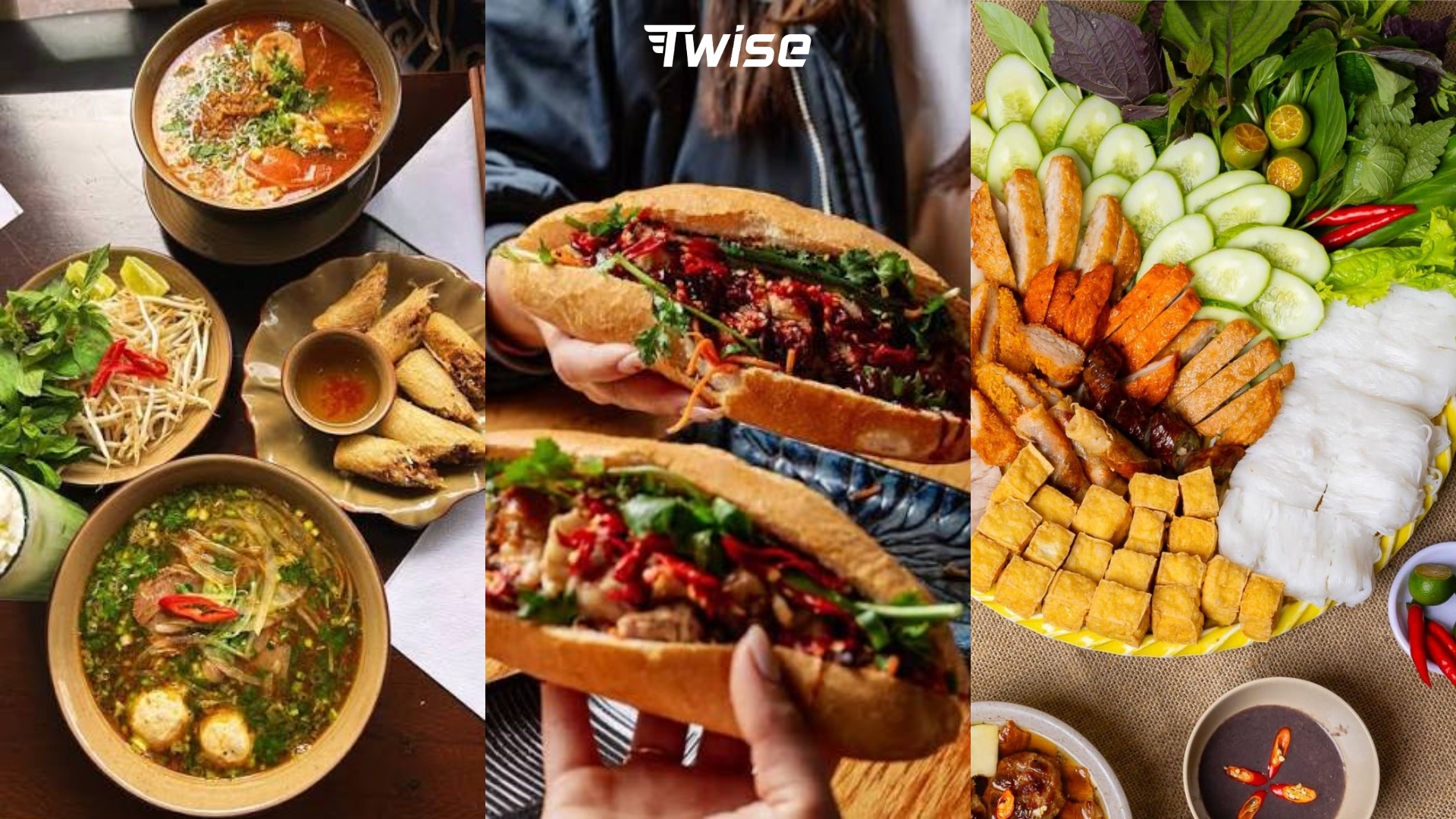
Vietnam has strong local food culture, a wide range of hostels and family-run stays, affordable buses and trains, competitive ride-hailing, and many attractions that cost little or nothing. Travelers save most when they use the same systems local residents use instead of recreating an international lifestyle in every destination.
What makes Vietnam expensive unexpectedly
To travel cheap in Vietnam, eat local street food, stay in central hostels or guesthouses, use Grab for city rides, take sleeper buses or trains between regions, avoid expensive roaming with a prepaid SIM/eSIM, and plan a linear route instead of backtracking across the country
The budget usually breaks through movement and convenience: too many cities, private transfers, last-minute flights, international roaming, hotels far from the center, Western restaurants for every meal, airport decisions made while tired, and tours booked without checking transport or entrance-fee inclusions.
Where Travelers Overspend in Vietnam
Hidden cost table
| Overspending point | Budget fix |
| Airport taxi | Use Grab, an official taxi counter, or a pre-booked hotel transfer. |
| International roaming | Use a prepaid SIM/eSIM and disable unwanted home-SIM roaming. |
| Hotel far from center | Pay slightly more for a walkable base and reduce daily ride costs. |
| Too many cities | Slow the route and avoid repeated station and airport transfers. |
| Western restaurants | Use local restaurants for daily meals and choose splurges intentionally. |
| Random tours | Compare reviews, pickup points, inclusions, and return time. |
| Private cars | Use buses, trains, shared vans, or rides when practical. |
| Last-minute peak tickets | Book key train, bus, or flight legs earlier. |
| No mobile data | Stay connected so you can compare fares, routes, and nearby options. |
| Confusing cash | Separate large and small Vietnamese dong notes. |
Cheap is not always cheaper
A room outside the center can add several rides every day. An unlicensed scooter rental can create legal, medical, and insurance costs. The cheapest bus may arrive at 3:00 AM far from the hotel. Skipping mobile data can lead to a wrong taxi, missed pickup, or expensive last-minute booking. Compare total cost, not only the headline price.
Cheap Food in Vietnam: Eat Local Without Guessing
Street food and local restaurants
Affordable meals are available across Vietnam, but the useful strategy is to recognize local formats. Look for phở, bánh mì, cơm tấm, bún chả, bánh xèo, mì Quảng, rice plates, noodle shops, and family-run cơm bình dân restaurants. Prices vary by city and neighborhood, but local specialties are usually better value than imported menus.
How to find good cheap food
- Choose busy stalls with steady local turnover rather than empty displays.
- Look for visible cooking and ingredients that are being replenished.
- Use Google Maps nearby search, then read recent reviews rather than only the average score.
- Ask hostel, hotel, or homestay staff where they eat nearby.
- Use menu photographs and a translation app before ordering.
- Check the price before adding seafood, premium toppings, or drinks.
What costs more
Western brunch cafés, rooftop bars, hotel restaurants, imported alcohol, beach clubs, and restaurants directly beside major attractions usually cost more. These can still be worthwhile, but treating them as default meals removes one of Vietnam’s strongest budget advantages.
Water, coffee and snacks
Buy bottled water and snacks from convenience stores, supermarkets, or ordinary local shops rather than attraction entrances. Local coffee shops are often cheaper than international chains. Markets can be good value, but confirm the price and quantity before accepting cut fruit, seafood, or packaged specialties.
Food budget rule
Eat local for most breakfasts, lunches, and casual dinners, then budget separately for a rooftop drink, tasting menu, special seafood meal, or high-demand restaurant. Intentional splurges feel better than discovering that every ordinary meal was priced for tourists.
Budget Accommodation: Hostels, Guesthouses, Homestays and Location
Dorm beds
Dorms are usually the lowest-cost option and work well for solo travelers who value social spaces, tours, shared kitchens, and local advice. Check locker size, curtain privacy, bathroom ratio, quiet-hour reviews, air conditioning, and whether the property is a party hostel before booking.
Guesthouses and homestays
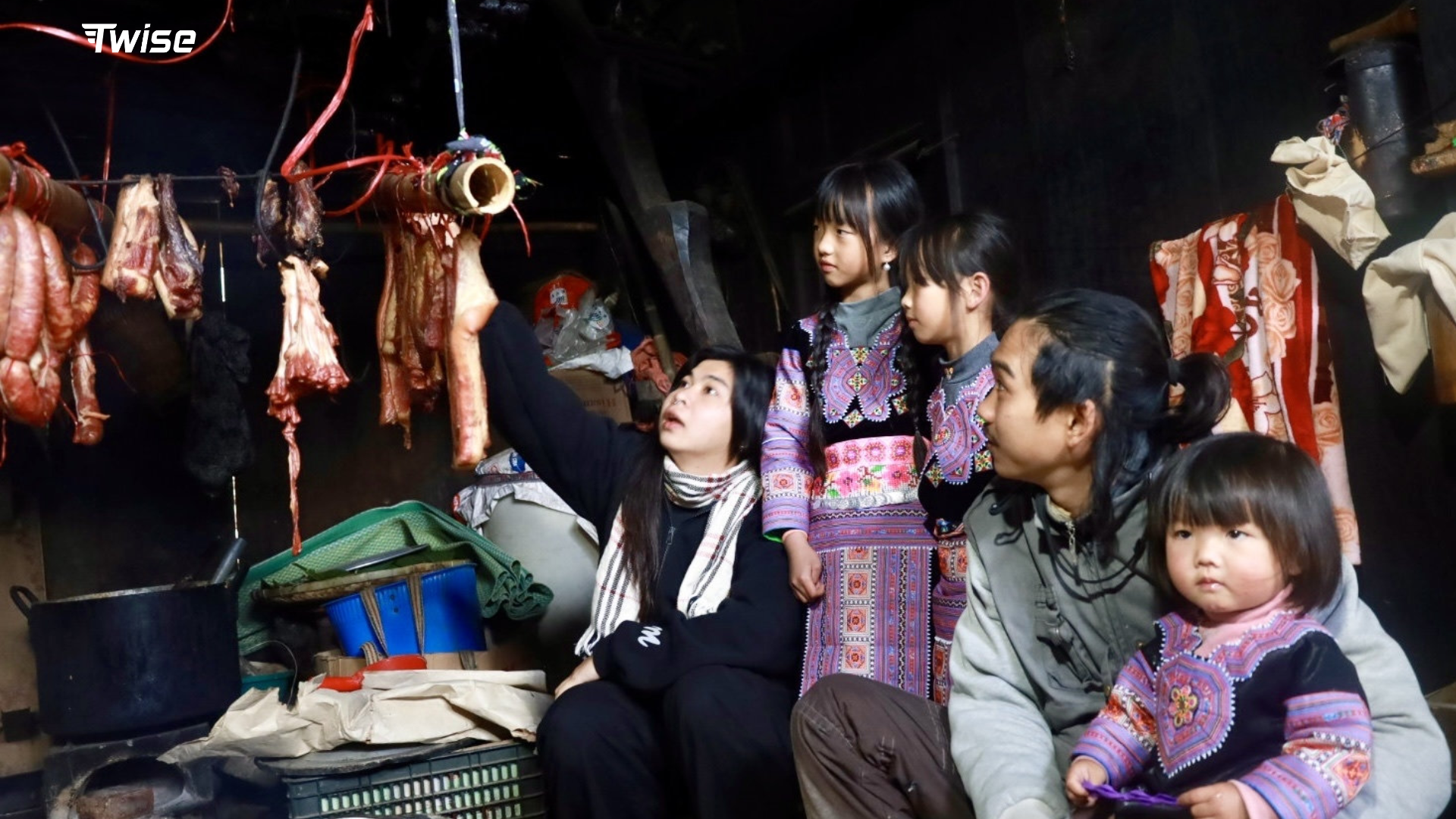
Guesthouses and homestays can provide privacy without resort pricing. Vietnam Tourism’s homestay guide highlights the chance to experience local life, meals, and regional knowledge. Confirm whether the listing is a true family stay or simply a small hotel using the word homestay.
Location matters more than saving a few dollars
A room that saves USD 4 but requires two Grab rides every day may cost more overall. Central accommodation also reduces late-night transport, missed tour pickups, and the time lost carrying luggage through difficult transfers. Check the actual walking route, not only the distance shown on a booking map.
Budget-friendly base areas
- Hanoi: the Old Quarter or a nearby central district with straightforward airport-bus and walking access.
- Da Nang: near the beach for a coastal stay or closer to the center for food, transport, and train access.
- Hoi An: Ancient Town for walkability or a nearby local area if bicycle access is easy.
- Hue: central areas near the river, food streets, and practical pickup points.
- Ho Chi Minh City: District 1, District 3, or a nearby transit-friendly neighborhood.
- Da Lat: around the central market or lake when walking access matters.
Booking checklist
- Recent reviews from travelers with similar needs.
- Walking distance to food, attractions, and transport.
- Late check-in instructions and reception hours.
- Lockers or secure luggage storage.
- Laundry cost and turnaround time.
- Reliable Wi-Fi and mobile coverage.
- Air conditioning, fan, hot water, and noise.
- Whether buses or tours can reach the pickup point.
Cheap Transport in Vietnam: Walking, Grab, Buses, Trains and Flights
Walking and local buses
Walking is free and effective in compact central areas, but heat, rain, traffic, and uneven sidewalks can turn a short map distance into a tiring journey. Local buses are inexpensive, although routes and payment can take more preparation. Use them when time is flexible and the stop is clearly identified.
GrabBike and GrabCar
The official GrabBike page explains that riders can see driver location and estimated arrival time in real time. GrabBike can be economical for short city rides when the traveler is comfortable riding pillion. GrabCar is better for airports, luggage, rain, night travel, or small groups sharing the fare.
Sleeper buses and limousine vans
Sleeper buses and limousine vans connect popular routes at lower cost than private cars. Compare the operator, seat or berth type, pickup address, drop-off location, arrival time, and recent reviews. An overnight fare saves a hotel night only when you can actually sleep and the arrival time does not create another transport problem.
Trains
Vietnam’s rail network can be calmer than a sleeper bus and more scenic than a flight. The Vietnam Airlines travel-cost guide notes that train costs vary by route and seat or berth type. Compare a soft seat, six-berth cabin, four-berth cabin, and the value of arriving rested before choosing the lowest ticket.
Domestic flights
Flights can be worth the money for Hanoi-Da Nang, Da Nang-Ho Chi Minh City, or Hanoi-Ho Chi Minh City when the trip is short. Calculate baggage, seat selection, airport transfers, early arrival time, and delay risk. A cheap base fare can cost more than a train or bus after every add-on is included.
Budget transport ladder
| Option | Best for | Budget note |
| Walking | Central cities | Free, but account for heat, rain, traffic, and sidewalks. |
| Local bus | Patient travelers | Very cheap, but slower and less flexible. |
| GrabBike | Short city hops | Low cost; unsuitable for luggage or nervous riders. |
| GrabCar | Airport, luggage, night | More comfortable and shareable for small groups. |
| Sleeper bus | Intercity budget routes | May save a hotel night; check arrival location. |
| Train | Scenic or calmer routes | Choose seat or berth carefully. |
| Domestic flight | Long distances | Check baggage and airport-transfer costs. |
| Private transfer | Groups or hard routes | Expensive solo, potentially better when shared. |
| Featured snippet: The cheapest transport in Vietnam is usually walking for short city distances, GrabBike for quick rides, sleeper buses for intercity routes, and trains for longer comfortable journeys. Domestic flights can be worth it for long distances but require checking baggage and airport transfer costs. |
SIM, eSIM and Mobile Data: How to Save on Internet in Vietnam
Why mobile data saves money
- Compare Grab fares before choosing a ride.
- Find local food, laundry, pharmacies, and convenience stores nearby.
- Check bus, train, and flight tickets without paying a hotel desk markup.
- Access e-tickets, QR codes, and pickup details.
- Translate menus and prices.
- Message hotels and tour operators when plans change.
- Avoid international roaming charges.
- Check weather before paying for a tour or transfer.
eSIM vs physical SIM vs roaming vs pocket Wi-Fi
| Option | Best for | Budget tradeoff |
| eSIM | App-first travelers | Phone must support eSIM and be carrier-unlocked. |
| Physical SIM | Travelers who prefer local setup | Requires airport or shop time and SIM handling. |
| Pocket Wi-Fi | Groups or laptop users | Must be carried, charged, collected, and returned. |
| Roaming | Maximum convenience | Often the most expensive option for extended travel. |
Avoid expensive roaming
Turn off data roaming on the home SIM if you do not want international data charges. A travel eSIM or prepaid local data plan can then be selected as the mobile-data line. Keep the home line active only when needed for bank or booking verification, and confirm the carrier’s incoming call and SMS charges.
Twise positioning
Twise Vietnam eSIM is a practical option for travelers who want mobile data ready for Grab, Google Maps, translation, bus and train tickets, hotel messages, and route changes. The plan should match trip length, device compatibility, expected data use, and hotspot needs rather than simply offering the lowest headline price.
Budget data habits
Use hotel or café Wi-Fi for system updates, video streaming, cloud photo backup, and large downloads. Download offline maps before a long bus or train route. Keep mobile data for live navigation, transport booking, translation, messaging, weather, and payment recovery.
Budget Routes: How to Save by Moving Smarter
5–7 day cheap route
Hanoi -> Ninh Binh -> Da Nang/Hoi An works for first-time travelers who want culture, nature, and one central-city flight or long rail connection. Avoid adding Ho Chi Minh City only to tick a box; the additional airport time can consume a full day and a large share of the budget.
10-day budget route
Hanoi -> Ninh Binh -> Hue -> Hoi An/Da Nang creates a strong north-and-central route with less backtracking. Use a train or bus between nearby stops and decide whether a flight from Hanoi to central Vietnam saves enough time.
14-day classic budget route
Hanoi -> Ninh Binh -> Hue -> Hoi An/Da Nang -> Da Lat or Ho Chi Minh City gives a broader view of the country. Keep one flexible night around a long transfer so delays do not force a new flight or last-minute hotel.
3-week slow route
With three weeks, add Sapa or a guided Ha Giang route in the north, Phong Nha in central Vietnam, or the Mekong Delta in the south. Slow travel reduces average transport cost, but remote additions should match the season and available connections.
Route rule
Do not pay to cross Vietnam twice. Choose north-to-south or south-to-north, cluster nearby destinations, and consider what each stop adds. Three well-planned regions usually cost less and feel richer than seven cities connected by rushed overnight transfers.
Tours and Activities: When to DIY and When to Pay
Good DIY activities
- Self-guided walks through old quarters, markets, and riverside areas.
- Public beaches and city parks.
- Temples, pagodas, and low-cost local museums.
- Street-food areas and coffee neighborhoods.
- Cycling around Hoi An or Ninh Binh when the route is safe and clear.
- Free walking tours where tips are transparent and optional.
Tours worth paying for
- The Ha Giang Loop when the traveler is not licensed or experienced enough to self-ride.
- Ha Long Bay or Cat Ba when transport, boat access, and meals are easier bundled.
- Mekong Delta routes where private transport and boat connections are complicated.
- Sapa trekking with a reputable local guide.
- Phong Nha caves that require licensed operators or specific logistics.
- Cooking classes and food tours where instruction and access add value.
- Canyoning or adventure activities where professional safety systems matter.
How to compare tours
- Exact pickup point and whether hotel pickup is included.
- Group size and guide language.
- Meals, entrance fees, and equipment included.
- Return time and final drop-off location.
- Cancellation and weather policy.
- Safety standards and insurance information.
- Recent reviews describing the same tour format.
- Optional stops, shopping pressure, and upsells.
Local agency vs online platform
Use both for comparison. Online platforms make reviews, written inclusions, and card payment easier. Local agencies may offer better availability or flexible pricing, but request the itinerary and total price in writing. The cheapest quote is poor value when entrance fees, meals, or the return transfer are excluded.
Money Tips: Cash, Cards, ATMs and Avoiding Payment Mistakes
Cash is still important
Street vendors, small restaurants, markets, parking, rural homestays, and some local buses may prefer cash. Cards are common at hotels, malls, larger restaurants, and online booking platforms, but a traveler should not rely on one payment method for every situation.
Separate big and small notes
Vietnamese dong notes contain many zeros and several colors can look similar when paying quickly. Keep smaller notes in a separate pocket for street food and short rides. Count change before leaving, but do it calmly rather than creating a confrontation over an honest mistake.
ATM and card strategy
Compare your home bank’s foreign transaction fee, the local ATM fee, exchange-rate markup, and withdrawal limit. Make fewer sensible withdrawals instead of many small ones, but do not carry the entire trip budget in one place. Keep a backup card separately from the main wallet.
Bargaining without stress
Bargaining is appropriate in some tourist markets and informal services, but not at fixed-price restaurants, convenience stores, official counters, or app-booked rides. Ask the price first, negotiate politely, and walk away when the purchase is not worth the amount. A small difference is not always worth a long argument.
Emergency cash rule
Keep enough separate cash for one night of basic accommodation, food, and transport in case a bank card is blocked, an app payment fails, or an ATM is unavailable. Store it away from the everyday wallet and replenish it after use.
Apps That Help You Travel Cheap in Vietnam
Essential budget app stack
| Need | App/tool |
| Ride fares | Grab |
| Maps | Google Maps |
| Translation | Google Translate |
| Bus/train/flight comparison | Vexere |
| Accommodation | Booking / Agoda / Hostelworld |
| Flights | Airline apps / comparison apps |
| Money tracking | Bank app / Wise / Revolut |
| Mobile data | Twise eSIM setup |
Vexere for transport comparison
Vexere can help compare buses, flights, and train options in one place. Check the operator name, pickup point, final drop-off, seat type, travel time, and refund conditions rather than selecting only the first low fare. For critical routes, keep the operator contact and booking reference offline.
Grab for city price transparency

Enter the real pickup and destination before deciding whether the fare fits the budget. Compare bike, car, taxi, or walking options where available. Dynamic pricing can make a short ride expensive during rain, events, or rush hour, so waiting or walking to a clearer pickup point may help.
Google Maps for cheap nearby choices
Search near the current location for local restaurants, laundry, pharmacies, supermarkets, bus stops, and convenience stores. Recent photos and reviews help identify tourist pricing, but confirm the current menu and opening time because small businesses change quickly.
App setup before arrival
Install apps, add payment methods where supported, save the first hotel address, download offline map areas, and arrange mobile data before leaving the airport. An app that still needs verification or a card setup is not a reliable budget tool during a late arrival.
Cheap Travel Mistakes to Avoid in Vietnam
Choosing the cheapest hotel far from everything
The room rate may be lower, but repeated Grab rides, difficult tour pickups, and time lost commuting can exceed the saving. Compare the total stay cost and the walking route before booking.
Taking random taxis without fare clarity
Use Grab, an official taxi queue, or a reputable operator recommended by the hotel. Confirm whether tolls, airport fees, or waiting charges are included. Avoid entering an unmarked car only because the driver offers a low verbal price.
Booking too many cities
Vietnam is geographically long. Every extra stop creates ticket costs, station transfers, early checkouts, luggage storage, and meals purchased in transit. A slower route is usually cheaper and more enjoyable.
Renting a motorbike without proper skill or insurance
A low daily rental price does not include the financial risk of a crash, medical treatment, damage, fines, or invalid insurance. Rent only when licensed, insured, experienced, and comfortable with local traffic and road conditions.
Skipping mobile data
No data can lead to taxi overcharging, wrong pickup points, missed tickets, poor navigation, and expensive emergency bookings. Offline maps help, but they do not replace live fares, operator messages, or route changes.
Ignoring baggage fees
Common Vietnam budget travel mistakes include choosing hotels far from the center, using random taxis, booking too many cities, relying on expensive roaming, renting a motorbike without proper skill or insurance, and booking cheap tours without checking pickup points and inclusions.
Budget flights can become expensive after checked luggage, cabin-bag limits, seat selection, payment fees, and airport transport. Compare the final checkout price with a train or sleeper bus, not the first advertised fare.
Seasonal Budget Tips: When Vietnam Gets Cheaper or More Expensive
Peak periods
Tet, national holidays, summer beach periods, weekends at popular resorts, and major festival dates can raise transport and accommodation prices or reduce availability. Some businesses also close or operate differently during Tet, so cheap last-minute choices may disappear.
Weather and cost
Rain can increase Grab demand, reduce walking, delay mountain roads, and make a cheap beach stay less useful. Heat can also increase transport and café spending. Central Vietnam storms, northern cold spells, and southern rainy-season patterns affect different routes at different times.
Book key transport earlier during busy periods
Book long-distance trains, flights, popular sleeper buses, and high-demand tours earlier around Tet, summer holidays, weekends, and local events. Keep ordinary meals and flexible city activities unbooked so the itinerary can adapt.
Flexible dates save money
Moving one day earlier or later can change flight, train, and hotel prices. Compare nearby dates before fixing every booking. A flexible buffer also protects the budget when weather or transport delays disrupt a tight connection.
Where Twise eSIM Fits: Saving Money Without Losing Travel Flexibility
Connectivity helps budget decisions
A working data plan lets travelers compare fares, read recent reviews, translate prices, book transport, message hotels, access tickets, and avoid expensive roaming. Connectivity is a budgeting tool because it keeps alternatives visible before a traveler accepts the first offer.
Twise eSIM positioning
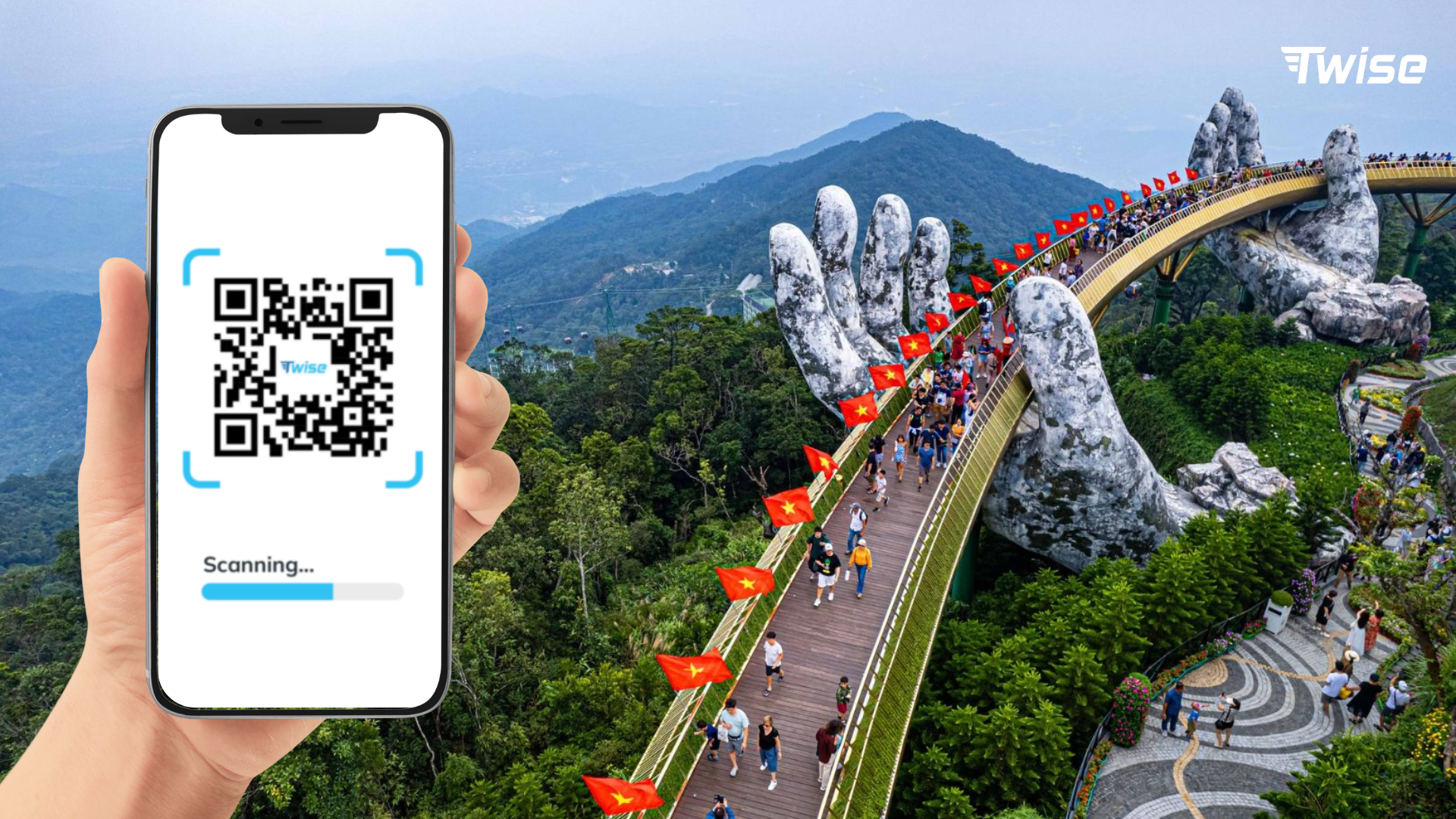
A Twise eSIM can support budget travelers in Vietnam who want mobile data for Grab, Google Maps, translation, Vexere, hotel messages, and route changes. The strongest value comes from avoiding roaming and keeping practical apps available during arrival, transfers, and last-minute adjustments.
Pair eSIM with offline prep
Download offline maps, save tickets and hotel addresses, use Wi-Fi for large downloads, and reserve mobile data for live tasks. Keep setup instructions accessible offline and test the plan before leaving airport Wi-Fi.
Helpful Twise resources
Check device compatibility, carrier-lock status, installation timing, expected data use, and roaming settings before departure. A data calculator and data-saving guide can help avoid buying too little or paying for capacity the trip will not use.
Budget Vietnam Setup Checklist Before Departure
- Choose a linear north-to-south or south-to-north route.
- Book the first hotel in a central, walkable area.
- Install Grab and add a usable payment method.
- Install Google Maps and download offline areas.
- Install Google Translate and save important phrases.
- Install Vexere if using buses or trains.
- Arrange an eSIM, physical SIM, pocket Wi-Fi, or another data plan.
- Check that the phone supports eSIM and is carrier-unlocked if relevant.
- Turn off unwanted roaming on the home SIM.
- Save the hotel address and phone number offline.
- Compare airport transfer options before landing.
- Pack a charged power bank and cable.
- Separate large and small cash denominations.
- Check baggage rules before booking flights.
- Book key transport earlier during peak dates.
- Leave some days flexible for weather and fare changes.
Final Decision Guide: How to Keep Vietnam Cheap Without Making It Hard
Save most on transport
Move linearly, stay longer in each base, use buses or trains where they fit, and fly only when the time saving justifies the final fare. Include the airport transfer, baggage, and arrival-time cost in every comparison.
Save most daily on food
Eat local food for routine meals, use markets and neighborhood restaurants, and choose tourist-heavy cafés or rooftop venues intentionally. The goal is not to avoid every premium experience, but to stop premium pricing becoming the daily default.
Save on internet

Use prepaid mobile data instead of international roaming and use Wi-Fi for large downloads. Keep live data available for maps, fares, translation, ticket access, hotel messages, and route changes.
Save on stress
Stay central, keep mobile data working, use fare-transparent transport, carry payment backups, and avoid overpacking the itinerary. A budget trip remains enjoyable when saving money does not create unsafe arrivals, impossible transfers, or constant troubleshooting.
FAQs About Traveling Cheap in Vietnam
