

Best Restaurants in Busan for Tourists: Food, Markets, Maps & Data Tips
Aug
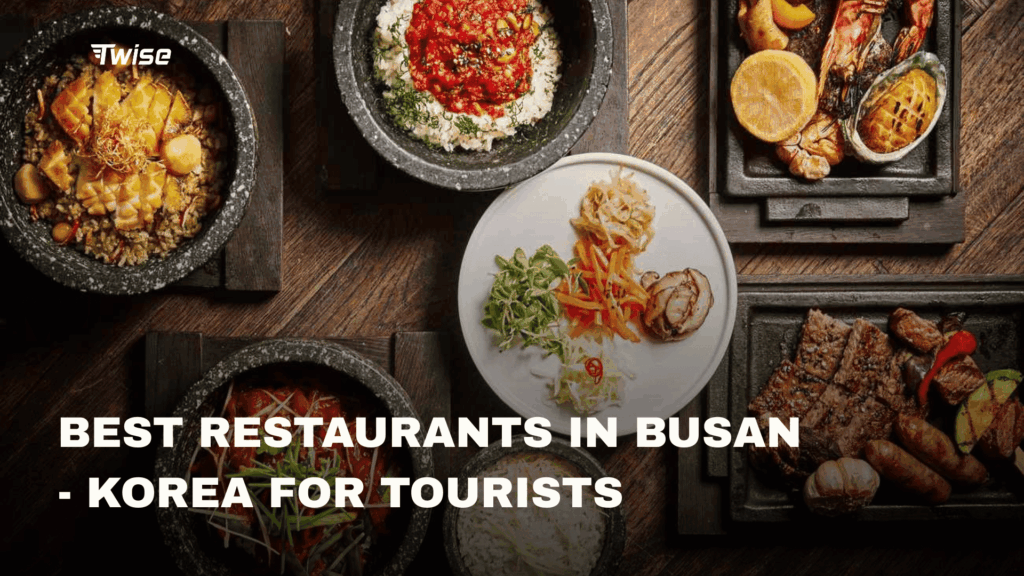
Find the best restaurants in Busan by local specialty and neighborhood, from dwaeji gukbap in Seomyeon and milmyeon near Busan Station to seafood at Jagalchi Market and Korean barbecue in Haeundae. This tourist-focused guide explains what to order, how to search Korean restaurant names in NAVER Map, handle queues and Korean-only menus, and choose reliable mobile data for directions and translation. It also covers market etiquette, payment backups, dietary restrictions, and practical alternatives when a restaurant is closed or full, helping visitors build a realistic Busan food itinerary without wasting hours crossing the city.
The best restaurants in Busan depend on what you want to eat and where you will already be sightseeing. First-time visitors should prioritize Busan specialties such as dwaeji gukbap, milmyeon, seafood, eomuk, and bokguk, then select restaurants near Haeundae, Seomyeon, Busan Station, or Nampo.
Restaurant hours, prices, reservation rules, and closing days change. Verify the latest listing before making a long journey.
Best Restaurants in Busan at a Glance
| Restaurant or market | Area | Best for | Budget |
|---|---|---|---|
| Songjeong Samdae Gukbap | Seomyeon | Dwaeji gukbap | Budget |
| Choryang Milmyeon | Choryang | Cold wheat noodles | Budget |
| Haeundae Amsogalbi | Haeundae | Korean beef ribs | Higher |
| Geumsubokguk | Haeundae | Pufferfish soup | Mid-range |
| Sulgodang | Jung-gu | Casual Korean food | Budget to mid-range |
| Jagalchi Market | Nampo | Seafood experience | Variable |
| Bupyeong Kkangtong Market | Nampo | Evening snacks | Variable |
| Le DORER | Haeundae | Special-occasion dining | Premium |
Last verified: September 2026. Check current opening hours, prices, reservations, and branch information before visiting.
What Food Is Busan Famous For?
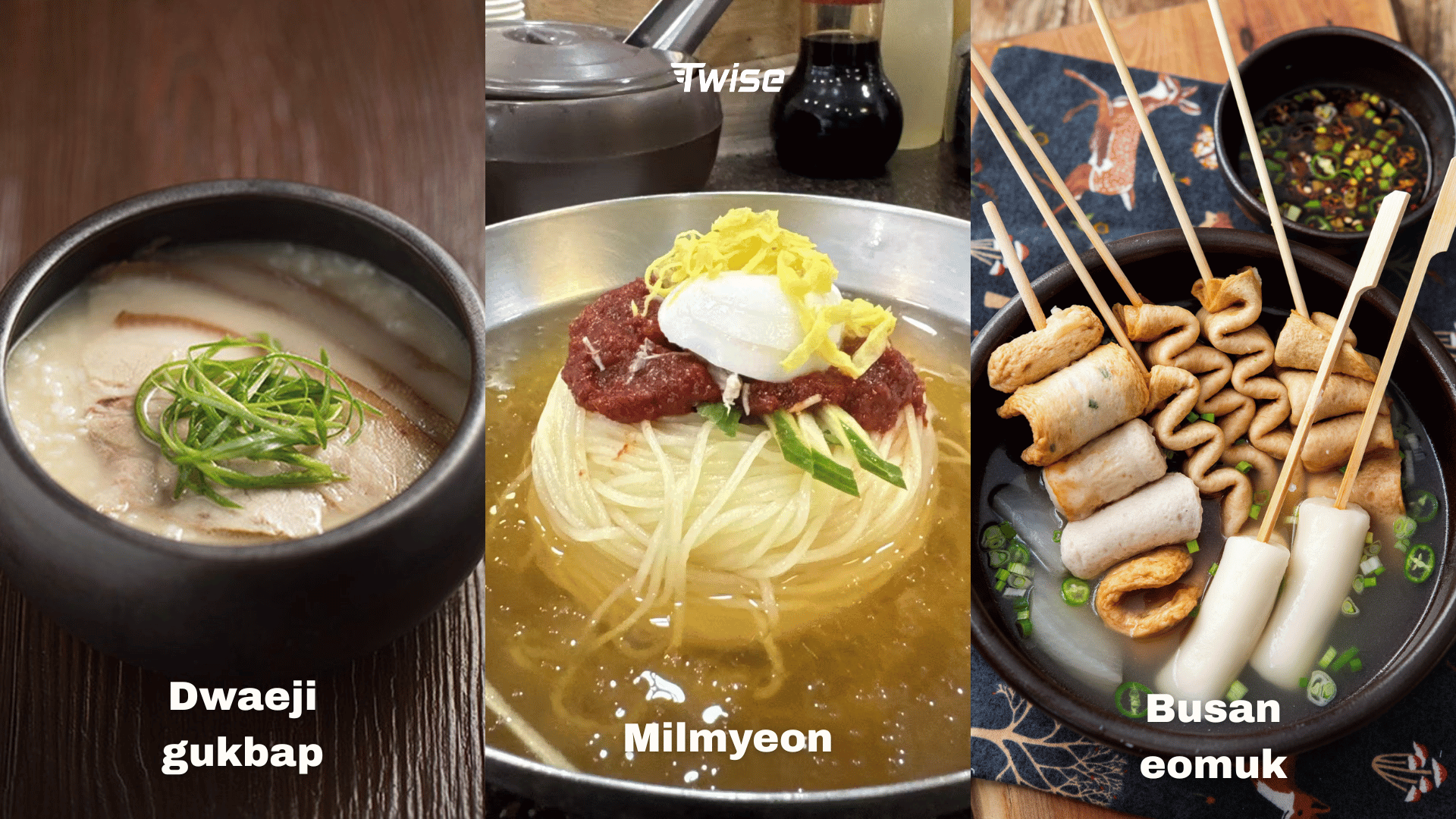
Busan’s food identity comes from its port, markets, postwar history, and strong neighborhood dining culture. The Korea Tourism Organization’s Busan food guide highlights pork rice soup, wheat noodles, pufferfish, seafood, and traditional-market snacks.
Dwaeji gukbap
Dwaeji gukbap is pork and rice soup, usually served with sliced pork, broth, rice, and seasonings. Seomyeon’s pork-soup alley is a convenient place to try it, especially for travelers staying near the city center.
Milmyeon
Milmyeon is a Busan-style cold wheat noodle dish. Choose mul milmyeon for noodles in chilled broth or bibim milmyeon for a spicier mixed version.
Seafood
Jagalchi and other coastal markets sell raw fish, shellfish, grilled fish, eel, and seasonal catches. Market dining is less standardized than a normal restaurant, so establish the item, preparation method, portion, and price before ordering.
Busan eomuk
Busan eomuk is fish cake, commonly sold in broth, on skewers, or packaged as a snack. It works well between meals while exploring BIFF Square, Nampo, and nearby markets.
Bokguk
Bokguk is pufferfish soup, valued for its clean, light broth. Licensed specialists prepare the fish, so order it from an established restaurant rather than treating it as casual market seafood.
Best Restaurant for Dwaeji Gukbap in Busan
Why Songjeong Samdae Gukbap is a useful first-timer option
Songjeong Samdae Gukbap is a practical introduction to the dish because it sits in Seomyeon’s established pork-soup area. Tourism listings identify it as a long-running specialist with multilingual menu support.
Its central location also makes it easier to combine with Jeonpo cafés, shopping, or an evening in Seomyeon. Recheck its current 24-hour listing before planning a very late meal.
What to order
Order the standard dwaeji gukbap for the simplest introduction. A suyuk set adds sliced boiled pork for sharing. Sundae, Korean blood sausage, is optional rather than an essential addition.
How to customize the bowl
Taste the broth before adding anything. Salted shrimp adds saltiness, while seasoned chives and spicy paste add depth and heat. Add small amounts so the broth does not become overly salty.
Who should skip it
The dish is unsuitable for vegetarians, vegans, and travelers avoiding pork. Broth ingredients can also be difficult to modify, so choose another restaurant if the restriction is medical or religious.
Best Milmyeon for Travelers Near Busan Station
Choryang Milmyeon
Choryang Milmyeon is useful because it is near Busan Station, making it suitable after a KTX arrival or before departure. Its convenience is the recommendation, not a claim that it is objectively the city’s number-one noodle shop.
Mul milmyeon vs bibim milmyeon
Mul milmyeon comes in cold broth and feels especially refreshing in warm weather. Bibim milmyeon is mixed with a spicy sauce and has a stronger, less brothy flavor.
Other milmyeon options
Busan has many respected specialists, including Gaya Halmae Milmyeon and Gukje Milmyeon. Search near the neighborhood already on your itinerary instead of adding a lengthy transfer for one famous bowl.
Best Restaurants in Haeundae
Haeundae Amsogalbi — best for classic beef ribs
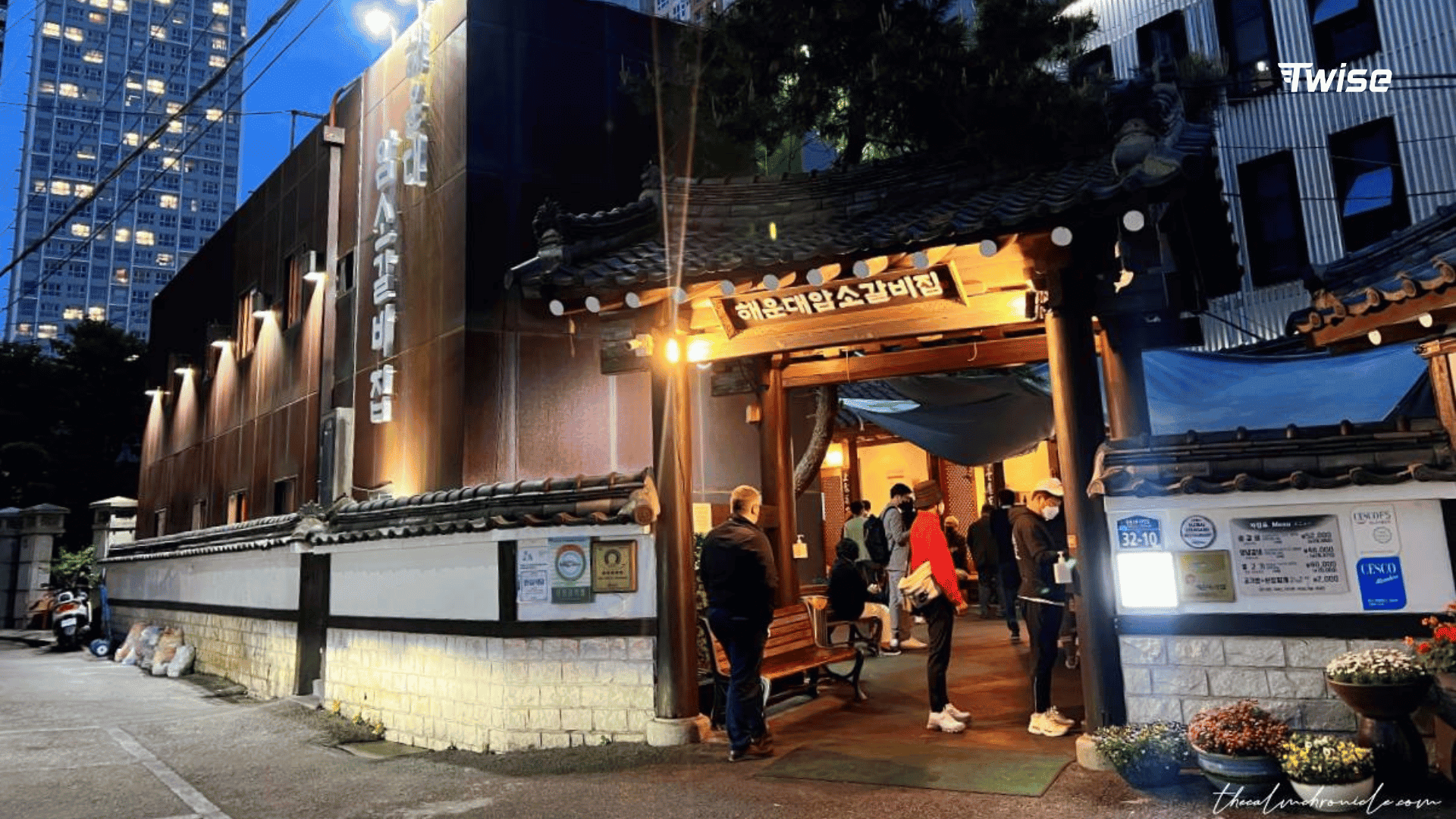
Haeundae Amsogalbi is a historic restaurant known for fresh and marinated beef ribs. It suits travelers seeking a traditional, higher-budget barbecue meal. The Michelin Guide describes it as a Busan culinary landmark dating from 1964.
Demand can produce queues, so confirm reservations or arrive outside peak dinner hours. Check that you have selected the original Haeundae branch in your map app.
Geumsubokguk — best for bokguk
Geumsubokguk specializes in pufferfish soup and can work for breakfast or a lighter meal near Haeundae. Some tourism listings show round-the-clock service on its first floor, but verify that schedule on the day you visit.
Le DORER — best for a special dinner
Le DORER is a premium, reservation-oriented option in Haeundae. It appears in the current Michelin Guide selection for Busan, making it more appropriate for a planned celebration than an improvised meal between attractions.
Best Places to Eat Around Nampo and Jagalchi
Jagalchi Market — best for seafood-market experience
At Jagalchi, browse the displays before choosing. Confirm the seafood, weight or portion, preparation, and full price first. In parts of the market, visitors select seafood downstairs and eat it in an upstairs dining area, where preparation or table charges may apply.
Bupyeong Kkangtong Market — best for evening snacks
Bupyeong Kkangtong Market works well for sampling smaller portions rather than committing to one large meal. Combine it with Gukje Market, BIFF Square, and Nampo because these areas form a practical walking route. Current night-market hours should be checked through the official tourism listing.
Sulgodang — casual sit-down option
Sulgodang offers a conventional sit-down alternative around Jung-gu. It is useful when the group wants a complete Korean meal rather than more seafood or street snacks.
Don’t schedule Haeundae dinner immediately after Nampo unless you want the transfer
Nampo and Haeundae are on opposite sides of a spread-out city. Crossing Busan solely for dinner can consume a meaningful part of the evening, especially during busy periods.
Busan Food Markets: Restaurant or Market Experience?
Jagalchi is best for seafood and the process of selecting a catch. Bupyeong Kkangtong suits snack-sized tastings in the evening, while the wider Gukje area combines food, browsing, and shopping.
Ask prices before ordering seafood
Market pricing may depend on season, species, weight, and preparation. Confirm the total rather than assuming the displayed seafood price includes cooking and seating.
Check closing days
Markets, dining floors, and individual stalls may follow different schedules. Verify the specific area you intend to visit, especially around public holidays or designated market closing days.
Keep cash/payment backup
Some vendors accept international cards, while others may not. Carry a primary card, backup card, and a modest amount of Korean won without assuming one method works everywhere.
Best Busan Restaurants by Neighborhood
| Staying or visiting | Prioritize |
|---|---|
| Haeundae | Beef barbecue, bokguk, premium dining |
| Gwangalli | Seafood, barbecue, modern restaurants |
| Seomyeon | Dwaeji gukbap and nightlife food |
| Busan Station or Choryang | Milmyeon and quick travel-day meals |
| Nampo or Jagalchi | Seafood, markets, and local snacks |
| Seo-gu | Casual neighborhood restaurants |
Why neighborhood matters in Busan
Busan is geographically extensive. A restaurant that looks close on a city overview can require a subway transfer, bus ride, and final walk. Choose one destination meal per day and keep other meals near scheduled attractions.
Build sightseeing and meals together
A coherent food route might be Jagalchi Market, BIFF Square, Nampo, and Bupyeong Kkangtong Market. Avoid a sequence such as Jagalchi, Haeundae, then Seomyeon unless long transfers are intentional.
How to Find Busan Restaurants in NAVER Map
Save the Korean name
Save both the English and Hangul names. Korean text usually produces more reliable local search results and helps taxi drivers or hotel staff identify the restaurant.
Search the exact branch
Words such as “main store,” “head store,” or bonjeom can distinguish the original restaurant from similarly named branches.
Check the district before navigating
Compare the district, street address, nearest station, and telephone number. This matters when chains or unrelated businesses share similar names.
When English search fails
Search in this order: English name, Hangul name, then Korean address. Copying the address from the restaurant’s current official or tourism listing is often the strongest fallback.
Check recent opening-hour information
Look for recent updates, temporary closure notices, break times, and last-order information. Do not rely on an old blog post for a tightly scheduled dinner.
Save your backup before leaving the hotel
Bookmark one nearby restaurant serving the same dish. Mobile access to maps and translation is one reason many visitors arrange a travel eSIM before leaving home.
What to Do When a Busan Restaurant Has No English Menu
Use Papago camera/text translation
Photograph the menu in good light and review the translation before ordering. Camera translation is helpful for dish names, but may misinterpret ingredients or portion information.
Photograph or point to the menu item if appropriate
Pointing to a menu photograph or item number reduces pronunciation confusion. Confirm the quantity, particularly where dishes are intended for two or more diners.
Save Korean dish names before arriving
- 돼지국밥: dwaeji gukbap
- 밀면: milmyeon
- 물밀면: broth milmyeon
- 비빔밀면: spicy mixed milmyeon
Dietary restrictions need more care
For a serious allergy or medically necessary restriction, do not depend only on automatic translation. Carry a clearly translated allergy card and ask staff to confirm ingredients and cross-contact directly.
How Reservations and Queues Work for Tourists
Not every local restaurant needs a reservation
Soup shops, noodle restaurants, and market stalls often accept walk-ins. Arriving before the main lunch or dinner rush can reduce waiting.
Premium/fine dining should be checked earlier
Reserve high-end restaurants as soon as the travel dates are firm. Confirm cancellation rules, dress expectations, and whether a deposit is required.
Some local queue systems may be less foreigner-friendly
Certain systems use a Korean app or telephone verification, but requirements vary. Do not assume every restaurant demands a Korean number.
What to do when you cannot join an online queue
Arrive off-peak, ask hotel staff for assistance, or use the nearby backup saved in NAVER Map. Another specialist serving the same local dish may be more practical.
Never build one evening around an unverified viral restaurant
Confirm that it is operating, that you selected the correct branch, and that tourists can access its reservation or queue before crossing the city.
Paying at Restaurants and Markets in Busan
Carry more than one payment option
Bring a primary card, backup card, and modest KRW cash. Tell your card issuer about travel if required and keep emergency funds separate.
Market stalls and restaurants aren’t identical
A restaurant with a staffed payment counter may accept cards that a small market stall cannot process. Ask before ordering if cash availability is limited.
Keep your home number available when banking authentication matters
A data-only travel plan does not replace SMS sent to your home number. Dual-SIM travelers can keep the home line active for authentication while disabling its mobile data.
Don’t let your home SIM become the accidental data line
Select the Korea line for cellular data, turn off cellular-data switching, and disable roaming on the home line unless you deliberately want carrier roaming.
Where Mobile Data Helps During a Busan Food Trip
Live connectivity helps with the hotel route from Gimhae Airport, exact restaurant entrances, bus arrivals, Kakao T rides, Papago translation, queue pages, booking messages, and finding a nearby alternative when a venue is full.
Don’t depend entirely on restaurant Wi-Fi
The hardest stage is often finding the entrance before reaching the Wi-Fi. Small restaurants may sit upstairs, inside a market, or along an alley that is difficult to identify from an English address.
Save essentials offline anyway
Keep screenshots of the hotel address, restaurant name in Hangul, transit route, booking confirmation, and one backup venue.
Is a Data-Only Korea eSIM Enough for Eating Around Busan?
For most restaurant-related tasks, yes. A data-only Korea eSIM supports maps, translation, restaurant research, taxi apps, web bookings, and internet messaging. It does not supply ordinary Korean calls, SMS, or a 010 number unless the plan explicitly includes them.
When data-only is enough
It generally suits travelers using NAVER Map, Papago, Kakao T, online restaurant listings, and messaging platforms.
When a phone-number plan may be useful
Consider voice or SMS service when a specific reservation, accommodation, or queue requires conventional Korean communication. Check what is included before purchase.
Other valid connectivity options
A physical Korean SIM, home-carrier roaming, pocket Wi-Fi, and public Wi-Fi are all workable in the right circumstances. Compare compatibility, trip length, data allowance, number requirements, and device-sharing needs. Travelers can also review Twise eSIM options before departure.

What to Do When Your Restaurant Plan Goes Wrong
Restaurant is closed
Search for the same dish nearby instead of crossing Busan. A closed milmyeon restaurant rarely means there are no other specialists in the district.
Queue is two hours
Use the backup saved earlier or return outside peak hours. Consider what the wait displaces from the rest of the itinerary.
NAVER Map cannot find the English name
Paste the Hangul name or full Korean address into the search field.
You arrived at the wrong branch
Compare the district and street address before ordering another taxi. Similar branch names can look nearly identical in translation.
Menu is completely Korean
Use camera translation, point to the relevant item, and confirm portion size. For allergies, communicate with a prepared Korean-language explanation.
Data stops working
Confirm that the eSIM is enabled and selected for cellular data. Check airplane mode, signal, and whether the plan requires Data Roaming. Do not delete the eSIM as a first troubleshooting step because some installation codes are single-use.
Market vendor interaction is unclear
Pause before agreeing. Confirm the item, quantity, preparation method, and total price using translation or a calculator.
Busan Restaurant Checklist for First-Time Tourists
- Choose the local dish before choosing the restaurant.
- Group meals by neighborhood.
- Save the restaurant’s Hangul name and exact branch.
- Check opening hours, breaks, and last order.
- Save one nearby backup.
- Carry multiple payment methods.
- Keep translation available.
- Prepare mobile data before arrival.
- Save the hotel address and key routes offline.
FAQs About Restaurants in Busan
Busan is especially associated with dwaeji gukbap, milmyeon, fresh seafood, eomuk, and bokguk. Traditional markets also offer local street foods such as ssiat hotteok and bibim dangmyeon.
There is no single best area. Seomyeon suits pork soup and nightlife, Haeundae offers barbecue and premium dining, and Nampo or Jagalchi is strongest for seafood and market experiences.
Yes, particularly for travelers who want to browse seafood and experience market dining. Confirm the catch, preparation, portion, and complete cost before ordering.
Yes. Haeundae has pufferfish soup, historic beef barbecue, casual beach-area dining, and Michelin-recognized premium restaurants. Reservations or off-peak arrival may be worthwhile at popular venues.
Yes. English searches work for many places, but local restaurants can be easier to find using their Hangul name or Korean address.
Some tourist-facing restaurants provide English menus, while smaller local venues may use Korean only. Save the dish name beforehand and keep a camera-translation tool available.
No, not for ordinary walk-in dining. A Korean number may be helpful for certain reservation or queueing systems, but it is not a general requirement for eating out.
Usually, yes. It supports maps, translation, taxi apps, restaurant searches, and internet messaging. It will not provide conventional Korean calls, SMS, or a local 010 number unless those services are explicitly included.
