

Best Time to Visit Italy: Weather, Crowds, Transport & Mobile Data Tips
The best time to visit Italy are April to June and September to October for most first-time travelers. These shoulder-season months usually offer the best balance of mild weather, full transport schedules, open restaurants, cultural events and manageable crowds. Still, Italy does not have one perfect month. Rome, Venice, the Amalfi Coast, Sicily, Tuscany and the Dolomites all behave differently by season. This guide goes beyond weather and crowd basics by showing how trains, ferries, historic-center Wi-Fi, ZTL driving rules and eSIM timing can affect your itinerary.
Quick Answer: Best Time to Visit Italy
Short answer
For most travelers, the best times to visit Italy are April to June and September to October. These months are warm enough for outdoor sightseeing, coastal day trips and countryside routes, but usually less punishing than July and August for heat, crowding and hotel rates. If your trip is city-focused, May and October are especially strong. If your trip is beach-focused, June and September often work better than April or November because the sea, ferries and resort services are more active.
Featured snippet answer: The best times to visit Italy are spring and autumn, especially April to June and September to October. Choose May or October for culture and city walking, June or September for beaches and islands, winter for museums and skiing, and July to August only if you are prioritizing coastal resorts or peak summer events.
Best months by travel goal
The smartest Italy timing decision starts with travel style, not a generic season label. A first-time Rome-Florence-Venice itinerary, an Amalfi Coast honeymoon, a Tuscany road trip, and a Dolomites hiking route should not be planned around the same “best month.”
| Travel goal | Best timing | Why it works | What to watch out for |
| First-time city itinerary | April-June, September-October | Comfortable walking weather, long daylight, museums and trains running normally | Top sights still need timed tickets; May and September are not “empty” months |
| Rome, Florence, Venice with fewer crowds | November-March, excluding holidays and Carnival periods | Shorter lines, lower room rates, better museum access | Cooler weather, shorter days, some rain and fewer outdoor dining moments |
| Amalfi Coast, Capri, Sorrento | May-June, September | Warm weather, ferry routes active, better atmosphere than winter | July-August crowd pressure; winter service reductions |
| Tuscany countryside and wine | May-June, September-October | Green spring landscapes or harvest-season food and wine | Rural driving requires ZTL awareness and live navigation near towns |
| Sicily and southern Italy | April-June, September-October | Longer warm season and strong shoulder-season value | July-August heat can be intense inland |
| Dolomites hiking | Late June-September | Most mountain huts, lifts and trails are operating | Weather shifts quickly; signal gaps matter for maps and transport alerts |
| Skiing in the Alps or Dolomites | December-March | Winter sports season and mountain atmosphere | Holiday weeks and school breaks raise prices |
| Budget travel | November-March, plus some early spring dates | Lower hotel rates in cities and fewer tour groups | Coastal and island itineraries may feel sleepy or partially closed |
Italy Season-by-Season, With a Month Table
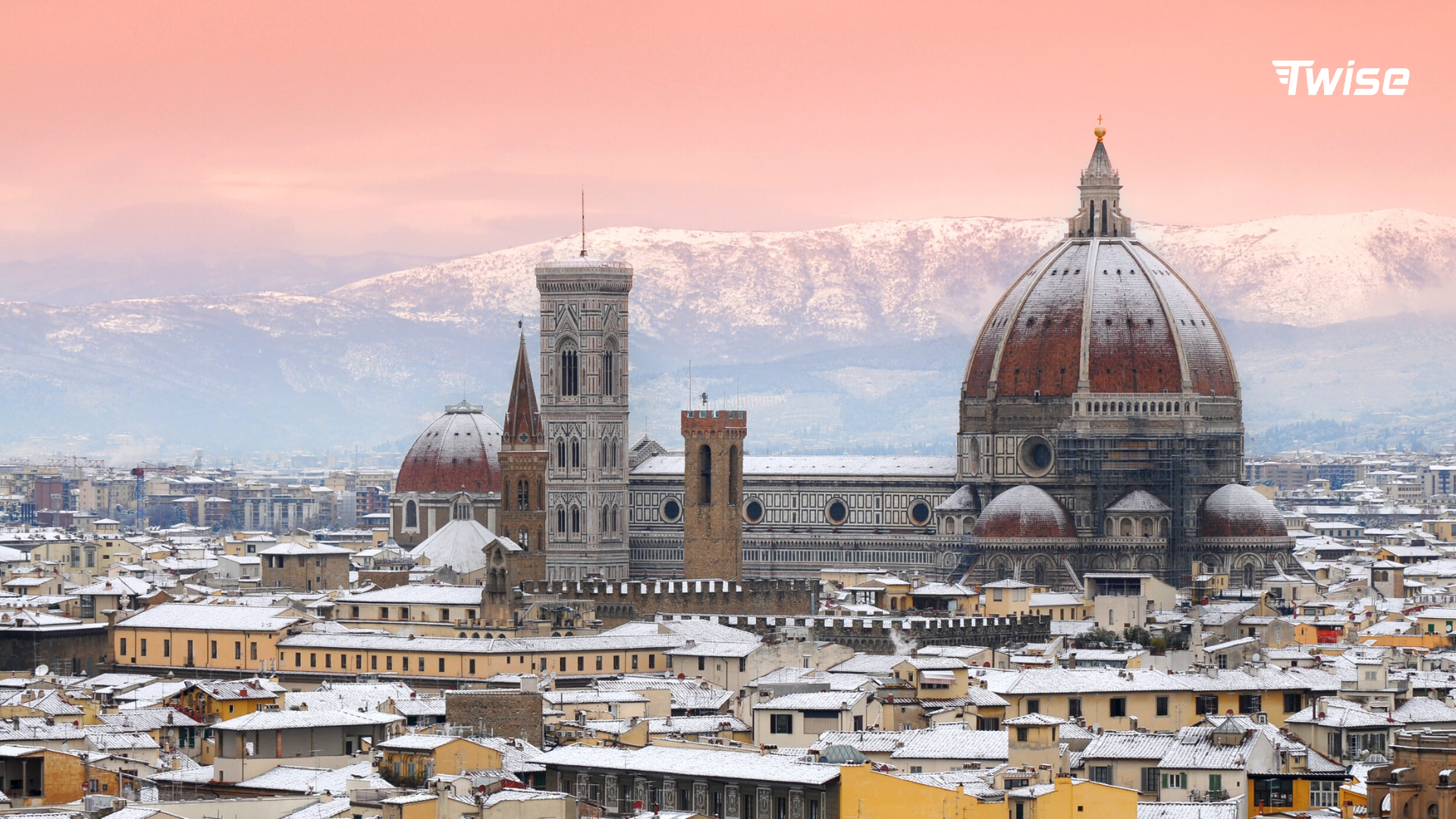
Italy season planning is less about finding one perfect forecast and more about avoiding the wrong friction for your route. The same August week that works for Sardinia can feel exhausting in Florence; the same January week that is calm in Rome can be too quiet on the Amalfi Coast.
Spring, summer, autumn, winter – quick paragraphs
Spring, April to June: Spring is one of the best times to visit Italy for classic itineraries because city walking, train travel and outdoor dining all become easier. April can still be changeable, especially around Easter, while May and early June often provide the strongest mix of weather and full operating schedules.
Summer, July to August: Summer is peak season, but it is not equally good everywhere. It can be the right time for beaches, islands, festivals and mountain hiking, yet it is often the most uncomfortable period for long sightseeing days in Rome, Florence, Venice or inland Sicily. Ferragosto around August 15 can also shift business hours and domestic travel patterns.
Autumn, September to October: Autumn is the other high-value shoulder season. September keeps beach and island energy alive while October is stronger for food, wine, countryside routes and cooler city itineraries. Late October can become wetter in parts of the north, so build some flexibility into outdoor-heavy plans.
Winter, November to March: Winter is best for travelers who value museums, lower prices, skiing or a slower city experience. It is not the best season for Amalfi-style coastal trips because ferries, hotels and restaurants may reduce service. For Rome, Florence and Venice, however, winter can be surprisingly efficient if you dress for rain and shorter days.
Month-by-month at a glance
Use the table below as a planning filter. Italy is regional, so the “best” month depends on whether you are following high-speed rail through major cities, renting a car in hill towns, taking ferries, or crossing borders into France, Switzerland, Austria or Greece.
| Month | Weather/crowd note | Best for | Watch out for |
| Jan-Feb | Quiet, cool/cold in cities; ski season in the north | Museums, skiing, low prices | Limited coastal/ferry service; Carnival can raise demand in Venice |
| Mar | Transitional, with improving daylight | Budget city trips and early spring culture | Unpredictable weather and some seasonal services not fully open |
| Apr-May | Mild, lively, busy but manageable | Classic city itineraries, gardens, countryside | Easter crowds and prices can spike |
| Jun | Warm, building crowds, beaches start working well | Coast plus city combinations | Late June gets hotter and more expensive |
| Jul-Aug | Hot, peak crowds, full summer travel demand | Beaches, islands, festivals, mountain hiking | City heat, August closures, crowded ferries and trains |
| Sep | Warm, still busy, strong all-rounder | Beaches, cities, countryside, first-time trips | Prices and crowds remain high in famous areas |
| Oct | Mild, fewer crowds, food and wine season | Tuscany, Piedmont, Rome, Florence, Venice | Late-month rain increases in the north |
| Nov | Cool, quiet, lower prices | Museums, food trips, slower city travel | Islands and ferries wind down; shorter days |
| Dec | Festive, cool, holiday demand in key weeks | Christmas markets, skiing, city breaks | Book early around Christmas and New Year |
Featured snippet answer: April-June and September-October are the best times to visit Italy overall. July-August suits beaches and islands but brings heat and peak crowds, while November-March is best for lower city prices, museums and skiing rather than coastal touring.
Best Time by Region — Italy Doesn’t Behave Like One Country
A strong Italy itinerary respects regional timing. North, south, coast, mountains and historic cities do not share the same “best” month, and the travel apps you need also change by route.
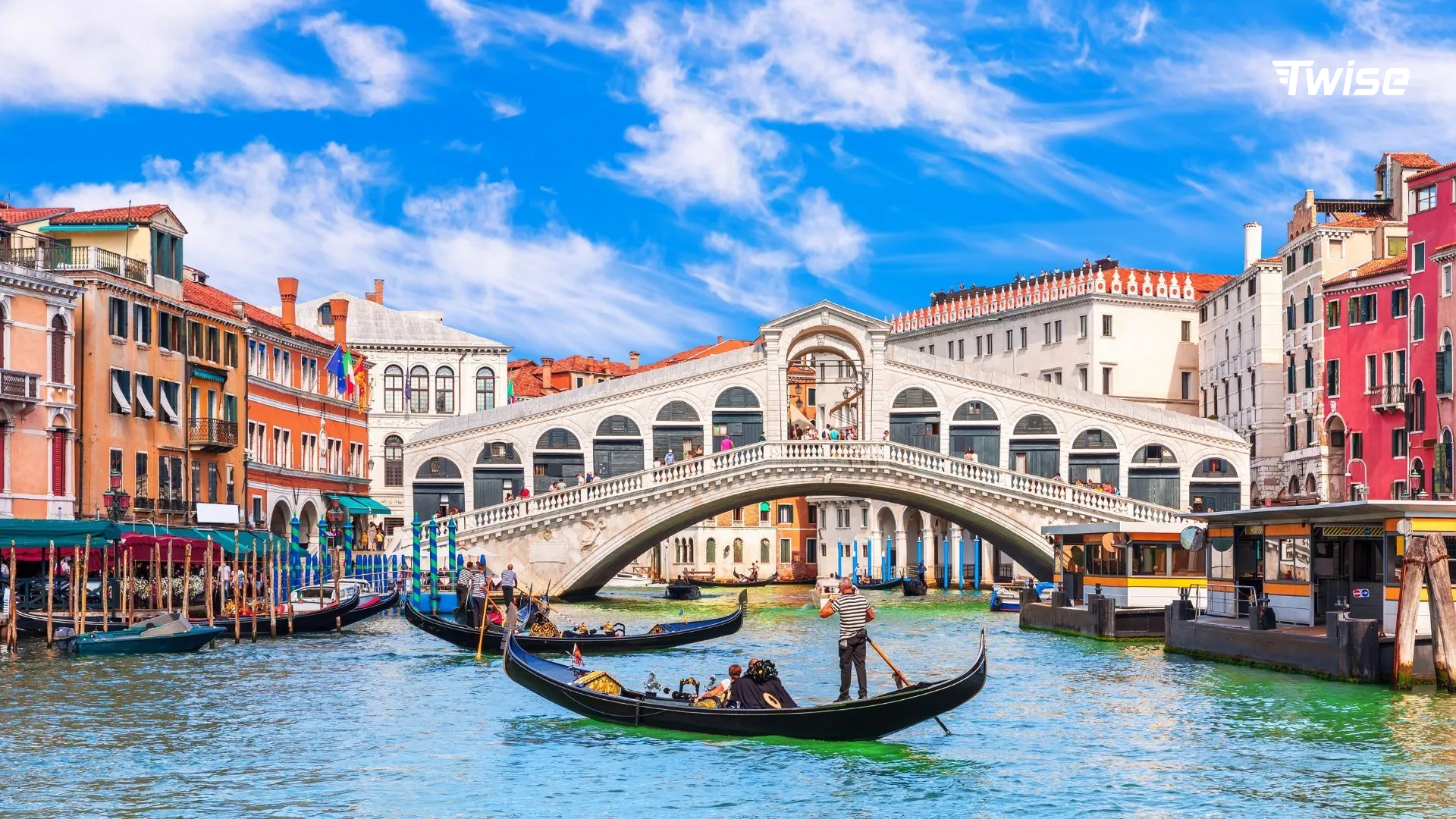
Rome, Florence and Venice: April to June and September to October are the safest choices for first-time visitors because walking weather is comfortable and transport schedules are reliable. In July and August, these cities can feel more like heat-management trips than culture trips, especially when you stack museums, piazzas, churches and train transfers into one day. Winter can be excellent if you want museums, food, photography and fewer tour groups, but plan around rain, shorter daylight and event-specific demand such as Venice Carnival.
Amalfi Coast, Capri and Sorrento: May, June and September are usually the most practical months because the coast feels alive, ferry services are operating, and the weather is warm without the worst July-August congestion. Winter can be beautiful but it is a different product: fewer ferries, quieter towns, limited restaurants and less reliable sea movement. For this region, timing is not only weather. It is whether ferries, hotels, beach clubs, port transfers and luggage logistics are functioning smoothly.
Tuscany: May, June, September and October are strong because landscapes, wineries, hill towns and rural roads are at their best. Spring gives greener scenery, while autumn gives harvest-season food and wine. If you rent a car, timing also changes the difficulty of the trip: summer means more traffic near famous towns, while shoulder season still requires careful ZTL planning when entering historic centers.
Sicily and southern Italy: April to June and September to October are often better than midsummer for culture, ruins, food and road trips. Sicily, Puglia and the south have a longer warm season than northern Italy, so shoulder season can still feel like a vacation rather than a compromise. July and August work for beach-focused travelers, but inland sightseeing in places such as Palermo, Agrigento or Matera can become physically demanding in the heat.
Milan and Lake Como: April to June and September are strong for Lake Como, with gardens, boat days and mountain views becoming easier to plan. Milan works year-round for fashion, design, shopping and business-style city travel, but major events can lift hotel rates sharply. If your itinerary combines Milan, Switzerland and Lake Como, a regional Europe eSIM can be more convenient than buying data country by country.
Dolomites: The Dolomites are a two-season destination. December to March is for skiing, winter villages and mountain resorts; late June to September is for hiking, scenic lifts, mountain huts and road trips. May and early June can be awkward because some trails, lifts and huts may not yet be fully open. Connectivity planning matters here because valleys, tunnels and mountain roads can create weak-signal stretches.
Puglia: May, June and September are especially good for Puglia because you get beach energy, food, whitewashed towns and road-trip weather without the most intense August pressure. July and August can be lively but crowded and hot, especially in beach towns and around Italian holiday periods. A car helps, but mobile data is useful for rural navigation, parking, restaurant hours and last-mile directions to masserie or coastal stays.
Featured snippet answer: The best time for Italy changes by region: Rome, Florence and Venice are strongest in spring and autumn; the Amalfi Coast, Capri and Sorrento are best in May, June and September; Tuscany is best in late spring and harvest season; Sicily and Puglia are better outside the hottest midsummer weeks; and the Dolomites depend on whether you want skiing or hiking.
Italy eSIM vs Europe eSIM vs Roaming vs Local SIM
Connectivity should be planned with your route, not only with the country name. Italy is very app-driven for train tickets, ferry confirmations, hotel messages, WhatsApp coordination, museum bookings, parking, ZTL rules and map searches. The right plan is the one that works before you leave the airport and while you move between cities.
Comparison table
| Option | Coverage starts | Setup time | Typical cost (1-2 week trip) | Best for | Main limitation |
| Italy-only eSIM | Before landing if installed pre-departure | 5-10 min | Check current Twise Italy plan price | Single-country Italy trips | Does not cover other EU countries unless plan states so |
| Europe regional eSIM | Before landing | 5-10 min | Check current Twise Europe plan price | Multi-country trips such as Italy + France or Switzerland | Usually slightly higher cost than single-country plans |
| International roaming | Usually immediately on landing | None if roaming is enabled | Often highest per-day cost | Travelers who do not want to install anything | Can become expensive for 1-2+ week trips and speeds may be capped |
| Local Italian SIM | After buying at a store | 15-30+ min plus ID and store visit | Varies by operator and plan | Long stays or travelers needing a local number | Not active during arrival, first train, or airport transfer |
| Public Wi-Fi (hotel/cafe/train) | Only in covered zones | Instant when available | Free | Backup at fixed locations | Unreliable while moving between cities, ferries, stations and historic centers |
Pick Italy-only vs Europe eSIM based on your route
Choose an Italy-only eSIM if your full trip stays inside Italy. It keeps setup simple and focused on the country you are visiting. Review the Twise Italy eSIM page before departure, install the plan while you still have stable home Wi-Fi, and keep a screenshot of the setup instructions.
Choose a Europe regional eSIM if your route crosses borders. A multi-country itinerary such as Italy + France, Italy + Switzerland, Italy + Spain, or Italy + Greece is easier with one regional plan because you avoid re-buying or troubleshooting mobile data at each border. Review the Twise Europe eSIM if your itinerary includes more than one country.
Timing rule: install before flying, confirm the eSIM line appears in your phone settings, keep your primary SIM available for OTP if needed, then switch mobile data to the travel eSIM when the plan instructions say activation begins. The worst time to discover that your phone is locked or your QR code is buried in email is at the airport train station.
The Connectivity Problems Generic Italy Guides Don’t Mention
Most “best times to visit Italy” guides discuss weather, prices and crowds. That is only half the trip. Italy is also a train, ferry, ticket-app, historic-hotel and ZTL-navigation destination. The practical question is not only when the weather is pleasant, but when your route requires live data to avoid preventable friction.
High-speed trains lose signal in tunnels and mountain stretches
Trenitalia and Italo make Italy easy to move around, but train connectivity is not seamless. Routes through the Apennines, hill country, tunnels and rural stretches can lose signal temporarily, and onboard Wi-Fi is not a substitute for downloaded tickets. Use the Trenitalia app or Italo app for tickets and updates, but screenshot your QR codes, platform notes and hotel address before boarding. This matters most during peak months, when a missed platform change or delayed connection can cascade into restaurant, hotel or ferry problems.
Ferries to Capri, the Amalfi Coast, and the islands often have no signal mid-crossing
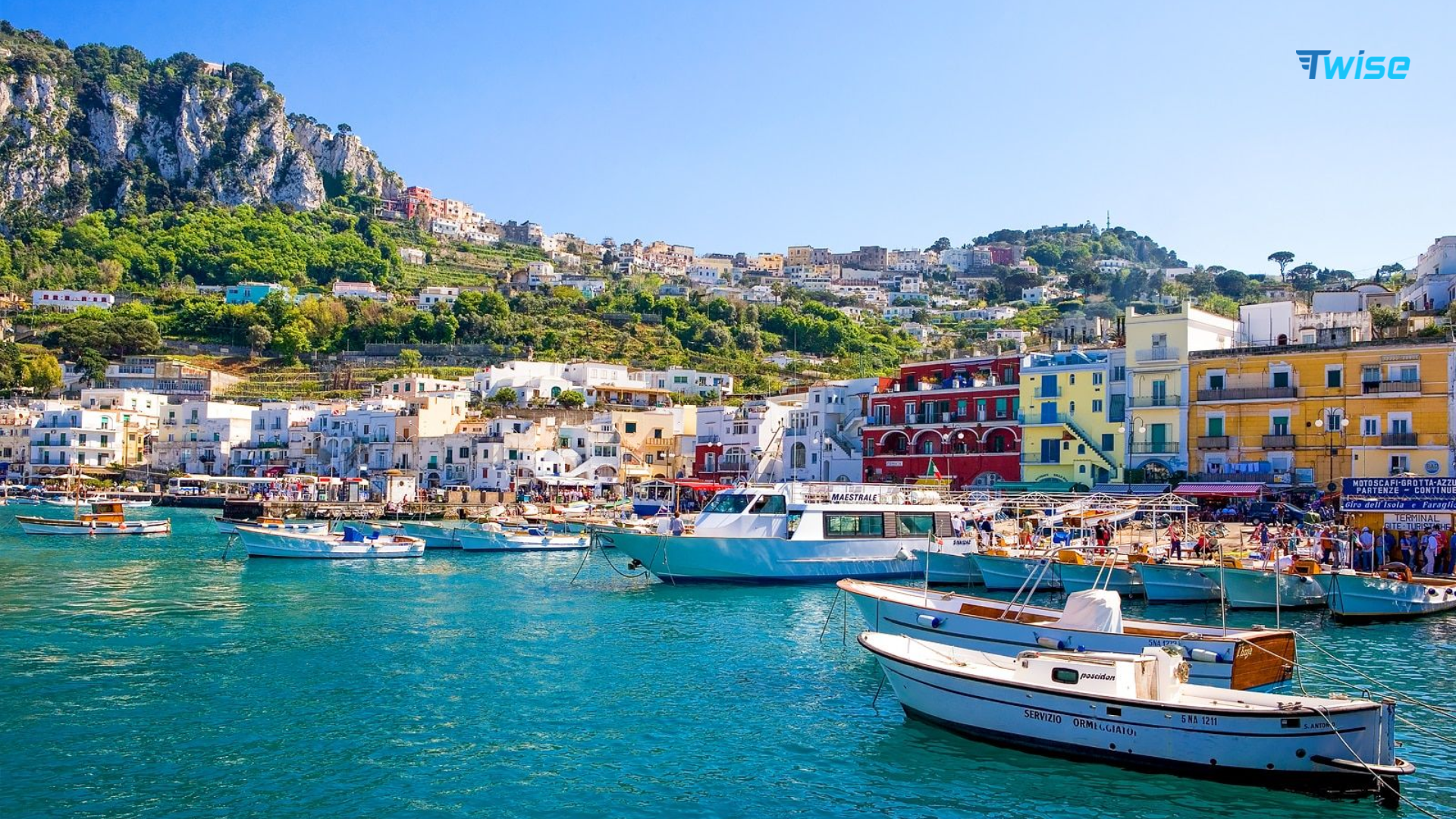
Ferries are seasonal logistics, not just scenery. Capri, Amalfi Coast, Cinque Terre, Sicily, Sardinia and smaller islands can all involve ports, schedule changes, weather decisions and boarding windows. Check current ferry schedules from operators such as Travelmar before travel and save ticket confirmations offline. Do not assume you can look everything up mid-crossing. The smarter timing plan is to verify the return ferry, port, boarding point and last connection while you still have stable data on land.
Historic-center hotels often have weak Wi-Fi
Italy’s most atmospheric stays are often inside old buildings with thick stone walls, narrow staircases and rooms spread across multiple floors. That is part of the charm, but it can make hotel Wi-Fi inconsistent. In Rome, Florence, Venice and hill towns, mobile data can be more reliable than hotel Wi-Fi for check-in messages, restaurant bookings, WhatsApp, QR-code menus, museum tickets and late-night route planning. Before you travel, download the hotel confirmation, pin the entrance on maps and save a phone or WhatsApp contact.
ZTL zones need live navigation, not just a downloaded map
ZTL zones are one of the biggest hidden risks for first-time drivers in Italy. Restricted historic centers are often camera-controlled, and accidentally entering one can lead to fines after the trip. Offline maps help with general routing, but they do not always reflect local access rules, temporary closures, parking garage instructions or hotel permits. Read official hotel parking instructions, review ZTL guidance such as the European Consumer Centre ZTL explainer, and keep live data available when driving near old towns. This is also where a pre-installed Italy eSIM before you land becomes a navigation tool, not just a messaging tool.
Apps and Mobile Data Setup Before You Go
The best travel apps for Italy are useful only if they are installed, logged in and ready before you are tired at the airport or train station. Set up your digital stack before departure, then treat screenshots as backup and mobile data as the live layer.
- Trenitalia and Italo: Download both if your route is train-heavy. Keep tickets, PNRs, station names, platform updates and backup PDFs accessible offline. Regional trains and high-speed trains have different ticket logic, so do not wait until the platform to learn the app.
- Offline maps plus live navigation: Use Google Maps offline areas as a safety net, especially for Venice walking routes, rural Tuscany, Puglia, Sicily and mountain roads. Live data is still better for traffic, bus changes, ZTL warnings and last-minute rerouting.
- WhatsApp and Google Translate: Hotels, guides, drivers, restaurants and apartment hosts often use WhatsApp for practical communication. Download offline language packs in Google Translate for menus, train announcements, parking signs and pharmacy conversations.
- Your Italy or Europe eSIM: Install and test before departure. Do not wait until arrival because the setup email, QR code, payment app or phone settings may need the very connection you are trying to create.
- Booking confirmations: Screenshot hotel, museum, ferry, rental-car, restaurant and transfer confirmations. Store them in a named album so you are not searching your inbox while moving through a station or port.

Common Timing Mistakes First-Time Visitors Make
Choosing August for city sightseeing without planning around heat. August can work for beach trips and some mountain routes, but it is often the wrong default for Rome, Florence and Venice. Long walks, exposed ruins, crowded trains and midday queues become harder. If August is your only option, build lighter mornings, indoor afternoons, later dinners and fewer city transfers into the itinerary.
Assuming winter coastal towns work like summer. Positano, Amalfi, Capri and smaller coastal towns do not operate like they do in June. Some hotels, restaurants, ferry lines and tours reduce service. Winter coastal travel can be peaceful, but it should be planned as a quiet scenic trip, not a full summer beach itinerary.
Booking trains too late in peak months. High-speed trains can sell out or become expensive on popular routes during holidays, weekends and summer. Book key city-to-city legs early, especially Rome-Florence, Florence-Venice, Milan-Venice, Naples-Rome and airport-connected routes.
Trying to cover too many regions in one trip. Italy looks compact on a map, but each transfer consumes time, attention and energy. A 10-day trip that tries to include Venice, Florence, Rome, Amalfi, Sicily and the Dolomites often becomes a train-and-check-in trip instead of an Italy trip. Choose fewer regions and match them to the season.
Relying only on Wi-Fi for train and ferry changes. Hotel Wi-Fi helps when you are settled. It does not help on a platform, at a ferry port, inside a taxi, while walking to a guesthouse, or when a schedule changes. Use Wi-Fi as backup, not as your only plan for live logistics.
Ignoring local holidays and closures. Easter, Ferragosto, Christmas/New Year, regional festivals, design weeks, fashion weeks and city events can change prices, opening hours and transport demand. The month can be “right” while the exact week is difficult.
FAQs
