

Solo Travel Korea: Seoul, Busan, Jeju, Gyeongju & Data Best Tips
Sep
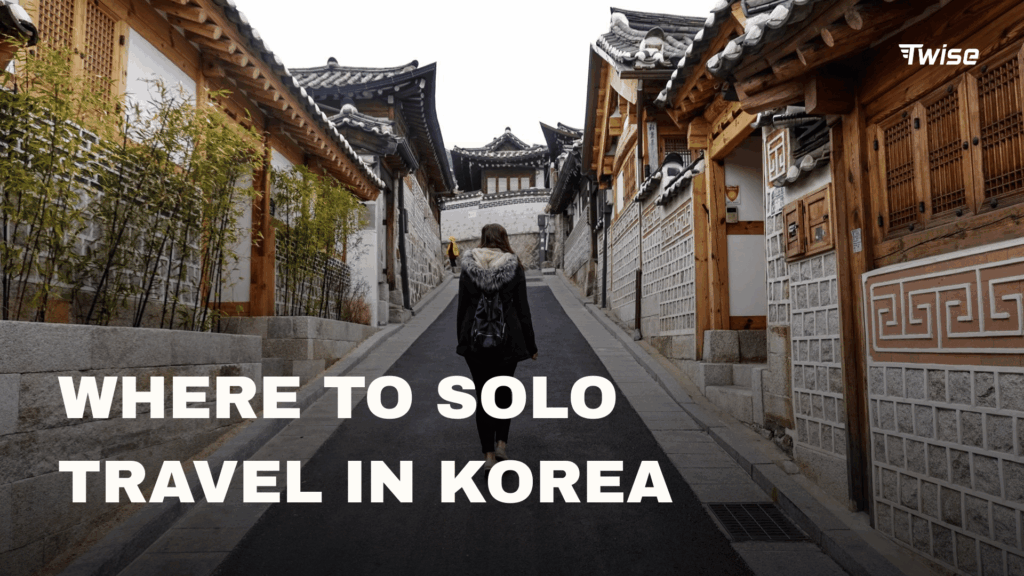
Planning solo travel Korea for the first time? Compare Seoul, Busan, Gyeongju, and Jeju based on public transport, food, accommodation, nightlife, nature, and independent activities. Seoul is the easiest starting point, Busan combines beaches with local food, Gyeongju suits history-focused travelers, and Jeju offers nature with more demanding transport. This guide also explains solo dining, local navigation apps, intercity routes, safety resources, emergency numbers, and mobile data options. Use it to build a realistic itinerary, choose a convenient base, and stay connected without treating every transfer day as a full sightseeing day.
Seoul is the easiest place to begin a first solo trip to Korea. Busan suits travelers who want beaches and food, Gyeongju offers a quieter heritage-focused stay, and Jeju is strongest for nature but requires more transport planning.
Is Korea Good for Solo Travel?
Yes. Korea has efficient urban transport, convenient intercity connections, late-opening convenience stores, abundant cafés, and many activities that do not require a companion.
Why Korea can work well for first-time solo travelers
Seoul and Busan have extensive subway systems, while KTX trains connect major mainland destinations. Museums, palaces, markets, cafés, coastal walks, and heritage sites are comfortable to explore independently.
Digital tickets, translation tools, local maps, and taxi apps also reduce common language and navigation friction.
What “safe for solo travel” should actually mean
Safe does not mean risk-free. South Korea currently carries a Level 1 “Exercise Normal Precautions” advisory from the U.S. Department of State.
Remain aware of your surroundings, protect valuables, monitor transport disruptions, and avoid assuming that unfamiliar nightlife or hiking environments require no preparation.
What becomes harder when traveling alone
A solo traveler has no second person to watch luggage, preserve a hotel address, navigate when the phone battery dies, or handle communication during illness.
Group-oriented dining, late-night transport, and remote hiking also require more deliberate planning.
Best Places for Solo Travel Korea trip at a Glance
| Destination | Best for | Transport difficulty | Suggested stay |
|---|---|---|---|
| Seoul | First visits, culture, shopping, nightlife | Low | 4–6 nights |
| Busan | Beaches, seafood, coastal neighborhoods | Low to moderate | 2–4 nights |
| Gyeongju | History, walking, quiet evenings | Moderate | 1–3 nights |
| Jeju | Hiking, scenery, road trips | Moderate to high | 3–5 nights |
Best overall for first timers – Seoul
Seoul offers the broadest mix of transport, accommodation, independent activities, and English-facing visitor services. It is the easiest place to recover from a missed train or changed plan.
Best for beaches and food – Busan
Choose Busan for coastal walks, seafood markets, pork rice soup, milmyeon, and slower city days. Its attractions are more dispersed than Seoul’s, so neighborhood planning matters.
Best for history – Gyeongju
Gyeongju suits travelers who prefer archaeological sites, royal tombs, museums, hanok streets, and quiet evening walks over nightlife.
Best for nature – Jeju
Jeju offers volcanic landscapes, beaches, waterfalls, and Olle walking routes. It rewards slower travel and geographically focused day plans.
Which destination is hardest without a car?
Jeju generally requires the most planning because the island has no subway or railway network. Buses and taxis can support a car-free trip, but moving between dispersed attractions takes longer.
Solo Travel in Seoul – Best for First-Time Visitors
Why Seoul is the easiest place to start
Airport rail links, dense subway coverage, tourist information centers, and a large accommodation range make Seoul comparatively manageable. If one attraction closes, another district or museum is usually accessible without rebuilding the whole day.
Best Seoul neighborhoods for solo travelers
Myeongdong or Jongno works for central sightseeing. Hongdae suits hostels, nightlife, and social activities. Insadong and Anguk offer convenient access to palaces, hanok streets, galleries, and quieter evenings.
Easy solo activities
- Visit Gyeongbokgung or Changdeokgung
- Explore a national museum
- Eat at Gwangjang Market
- Walk along Cheonggyecheon
- Spend an afternoon in cafés
- Visit a Han River park
- Try a coin noraebang
- Join a historical walking tour
Where mobile data matters most in Seoul
Live navigation helps distinguish subway exits, locate palace entrances, retrieve QR tickets, translate restaurant menus, and request a taxi after trains become less frequent.
Biggest solo mistake in Seoul
Do not cross the city repeatedly for isolated attractions. Group Gyeongbokgung, Bukchon, and Insadong together, then give Hongdae or the Han River a separate block.
Solo Travel in Busan – Best for Coast, Food and Slower City Days
Why Busan feels different from Seoul
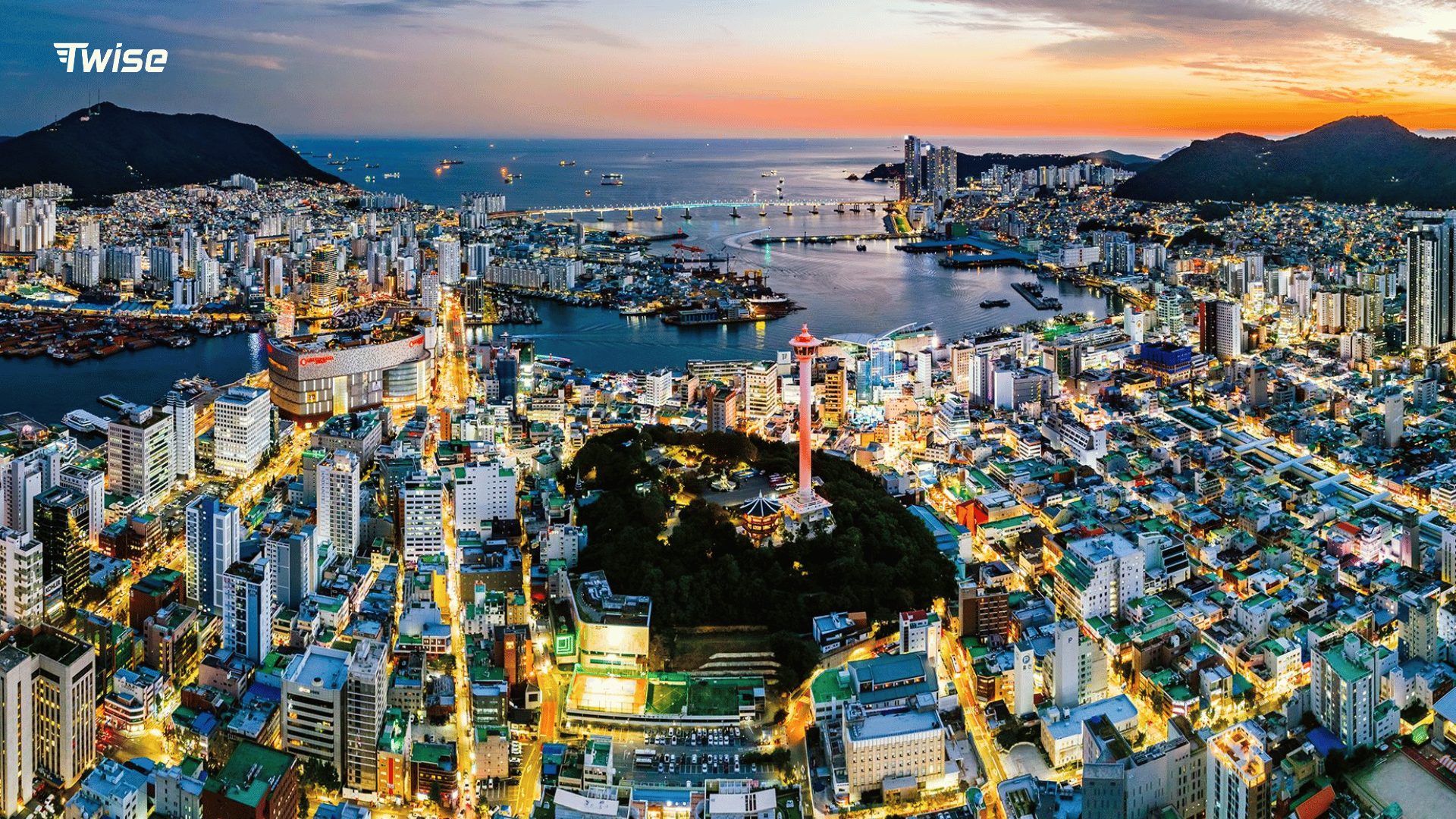
Busan is organized around beaches, hills, ports, and separated coastal neighborhoods. The pace can feel less compressed, but journeys between sightseeing clusters are often longer.
Best Busan bases for solo travelers
Choose Seomyeon for transport convenience, Gwangalli for beach evenings and cafés, or Haeundae for a resort-style first visit. Nampo is practical for Jagalchi Market, BIFF Square, and older central districts.
Best solo activities
Walk along Gwangalli Beach, visit Haeundae, explore Jagalchi and Nampo, photograph Gamcheon Culture Village, spend time in coastal cafés, or build a meal around Busan specialties.
Why neighborhood planning matters
Combine Jagalchi, Nampo, and Gamcheon where practical. Treat Haeundae, Gwangalli, and the eastern coast as another cluster instead of moving randomly between both sides of the city.
Mobile data pressure points
Expect to use live data for bus transfers, station exits, restaurant searches, hillside entrances, and the taxi ride back from a coastal neighborhood.
Solo Travel in Gyeongju – Best for History and a Slower Pace
Why Gyeongju works particularly well alone
Museums, tomb complexes, temples, and heritage walks do not require a group. The city also supports a slower rhythm built around walking, cafés, and evening photography.
Build the trip around the central heritage cluster
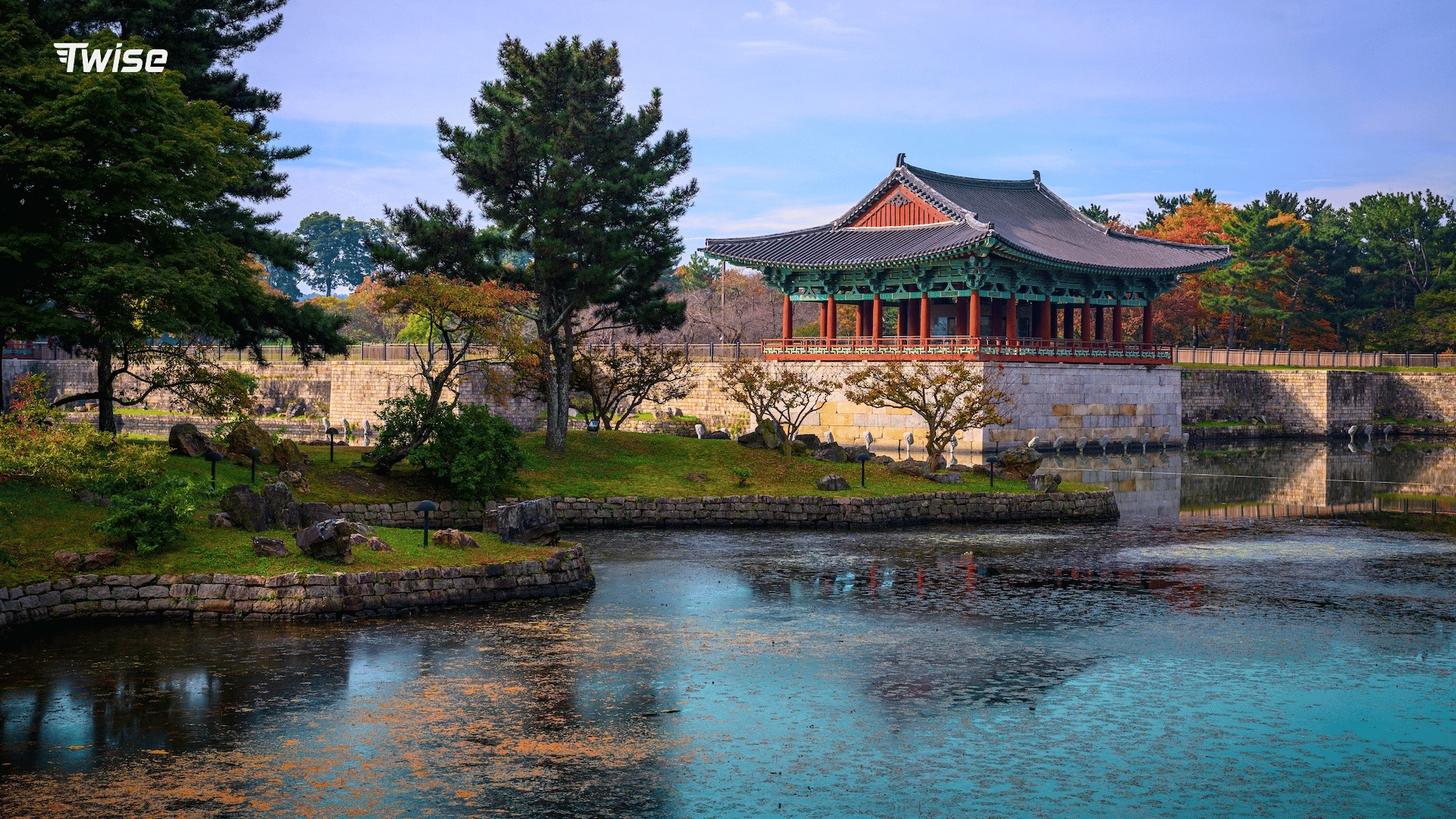
A practical central route connects Hwangnidan-gil, Daereungwon Tomb Complex, Cheomseongdae, Woljeonggyo Bridge, and Donggung Palace and Wolji Pond. Several major sites can be explored without repeatedly arranging transport.
Bulguksa is a different transport day
Bulguksa Temple and Seokguram Grotto sit outside the central walking area. Check bus connections and return times before leaving rather than treating them as quick additions to the downtown route.
Consider bike rental
A bicycle can work well around flatter central areas in suitable weather. Confirm the rental return time, use designated paths where available, and avoid riding when tired or unfamiliar with local traffic.
Where mobile data matters
Live data is useful for outer-site buses, nighttime returns from Donggung and Wolji, accommodation directions, and translation at smaller restaurants.
Best traveler profile
Gyeongju best suits someone who values history over nightlife, walking over shopping, and quiet evenings over a highly social hostel scene.
Solo Travel in Jeju – Best for Nature, but Plan Transport Carefully
Jeju is not Seoul with beaches
Jeju has no subway or train system. Visitors rely on buses, taxis, rental vehicles, organized tours, and walking routes.
Can you solo travel Jeju without a car?
Yes, but choose fewer areas per day. A bus-based itinerary works better when accommodation, trailheads, and attractions are grouped rather than scattered across the island.
Best bases
Jeju City is convenient for the airport and northern transport. Seogwipo suits waterfalls, southern scenery, and a slower stay. Changing hotels every night often adds more luggage handling than useful sightseeing time.
Group sights geographically
Dedicate separate days to eastern, western, or southern Jeju. Attempting east Jeju, west Jeju, Seogwipo, and the east again in one day creates excessive transit.
When a taxi or rental car is worth it
A taxi or rental car becomes useful for remote attractions, poor weather, luggage, early trail starts, or several dispersed locations. Confirm licence, insurance, and international driving requirements before reserving a vehicle.
Where data matters more than in Seoul
Bus timing, rural navigation, taxi pickup points, trail conditions, and weather updates can directly affect whether you reach the accommodation before dark.
Save routes offline
Screenshot the return route, final bus options, accommodation address, and trail information. Carry a charged power bank and avoid treating mobile coverage as an emergency plan.
How to Combine Seoul, Gyeongju, Busan and Jeju
5-7 days
Do not attempt all four. Choose Seoul and Busan, or Seoul, Gyeongju, and Busan for a more history-focused mainland trip.
8-10 days
A balanced route is Seoul, Gyeongju, then Busan. Add Jeju only when island scenery is a major priority and you accept the extra flight and transfer time.
12-14 days
A strong full route is Seoul, Gyeongju, Busan, then Jeju. This direction moves logically through the mainland before adding an island stay.
Why Gyeongju fits naturally before Busan
High-speed trains connect Seoul with Singyeongju Station, and onward travel to Busan is straightforward. Remember that the station is outside central Gyeongju, so allow time for the local transfer.
Don’t count transfer days as full sightseeing days
Hotel checkout, station access, luggage, waiting, and airport procedures consume time. This is especially important when flying between Busan and Jeju.
Where Should Solo Travelers Stay in Korea?
| Priority | Better base |
|---|---|
| First-trip convenience | Myeongdong or Jongno |
| Social nightlife | Hongdae |
| Central Busan transport | Seomyeon |
| Beach evenings | Gwangalli or Haeundae |
| Historic atmosphere | Central Gyeongju |
| Jeju transport convenience | Jeju City |
| Southern Jeju nature | Seogwipo |
Hostel vs hotel vs guesthouse
A hostel creates more opportunities to meet travelers. A private hotel offers rest and independence. A guesthouse can provide a quieter middle ground, although social atmosphere varies considerably.
Prioritize transport after dark over a “perfect view”
Check the walk from the nearest stop, evening service frequency, street lighting, reception hours, and taxi access. A scenic room is less valuable if every return journey feels unnecessarily complicated.
Eating Alone in Korea: What First-Time Travelers Should Know
Solo dining is increasingly normal
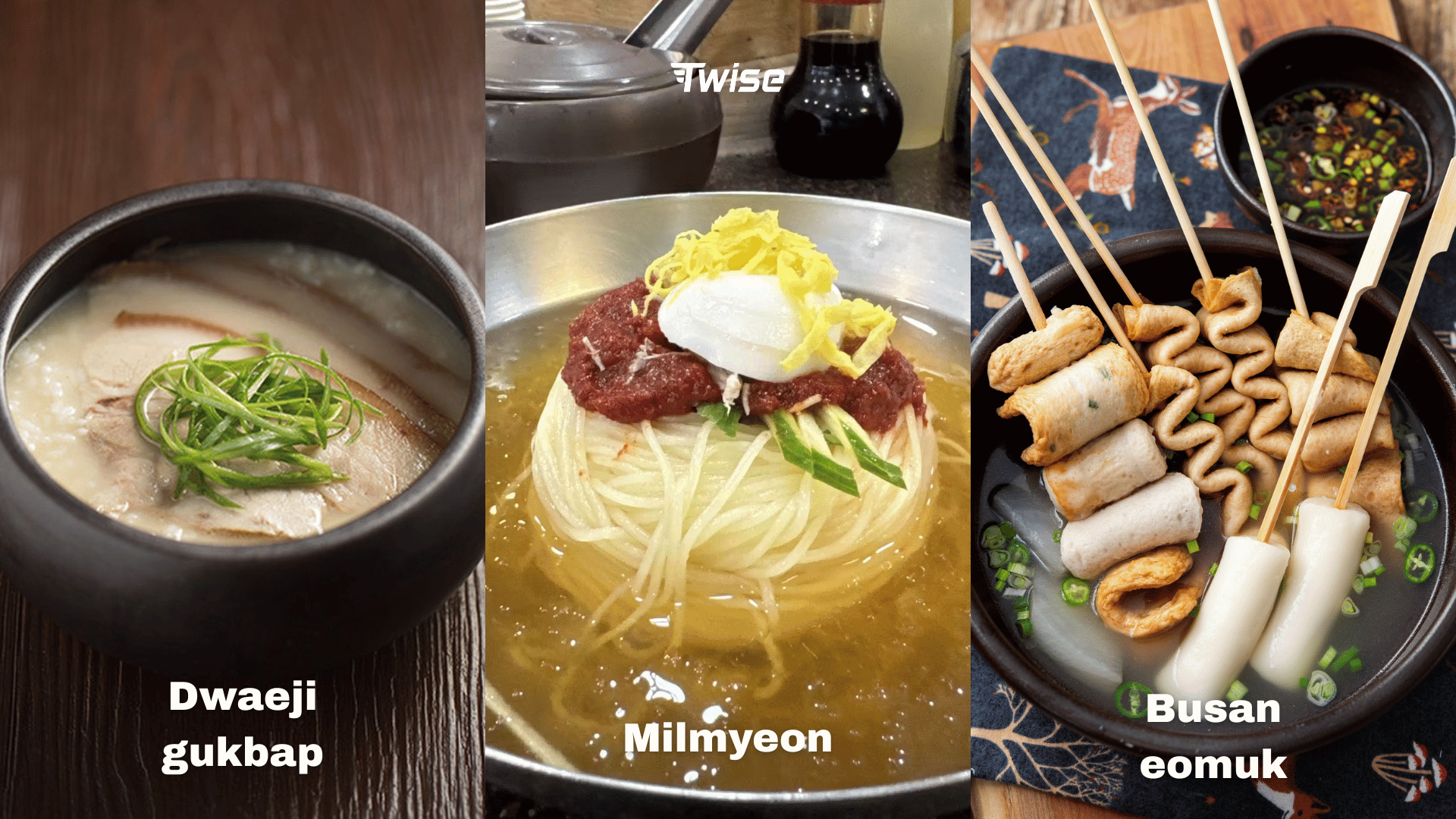
Eating alone is common in cafés, noodle shops, soup restaurants, food courts, and casual chains. Difficulties usually relate to specific group-style dishes rather than a general objection to solo customers.
Easiest Korean foods to order alone
- Gukbap
- Bibimbap
- Kimbap
- Noodles
- Dumplings
- Donkatsu
- Individual stews
- Market snacks
Search for 혼밥
혼밥 means eating alone or a solo meal. Paste it into NAVER Map with the neighborhood or dish name to find places discussed as solo-friendly.
BBQ and shared stews need more checking
Some barbecue restaurants and shared-stew venues require two portions or do not seat solo diners during busy periods. Check recent listings or save a nearby alternative.
Markets are excellent solo-food environments
Gwangjang Market in Seoul and the Jagalchi, Nampo, and Bupyeong areas in Busan offer smaller portions and flexible counter seating.
How to Get Around Korea Alone
Local transit — Tmoney/EZL
Tmoney and EZL are rechargeable transport cards used across many subway and bus systems. Buy or top them up at an appropriate retailer, then keep enough balance for the day’s journeys.
Intercity travel
Use KTX or SRT for major rail corridors, express buses where rail is inconvenient, and domestic flights for Jeju. Reserve popular departures around weekends and holidays.
NAVER Map / KakaoMap
Both remain valuable for Korean place names, walking directions, public transport, and precise entrances. Save important destinations in Hangul as a backup.
Google Maps in Korea in 2026
Do not repeat the outdated claim that Google Maps categorically cannot function in Korea. High-precision map export received conditional approval in February 2026, although implementation remained subject to technical and security requirements, as reported by Reuters.
Keep a local map app installed until the features you need are demonstrably available on your device.
Taxi backup — k.ride
k.ride is designed for international travelers and provides multilingual destination search and communication features. Keep an official taxi rank as a second option if account setup or mobile payment fails.
How to Make Solo Travel Social When You Want Company
Stay somewhere social—but only for part of the trip
A few nights in a Hongdae hostel can create natural social opportunities. Moving to a private room later gives you space to recover.
Join a structured experience
Walking tours, cooking classes, cultural workshops, K-pop activities, and suitable DMZ tours provide conversation without requiring you to approach strangers randomly.
Use day tours strategically on Jeju
A day tour can solve transport problems for dispersed attractions while creating temporary company. Keep independent days for places that genuinely benefit from a slower pace.
Solo travel doesn’t require meeting people every day
Time alone is not a problem to solve. Build social activities only where they improve your trip.
Where Mobile Data Matters Most on a Solo Korea Trip
Mobile data supports airport navigation, hotel messages, subway exits, Busan’s cross-city routes, Gyeongju buses, Jeju weather, taxi tracking, tickets, menu translation, and tour meeting points.
Why connectivity matters more when traveling alone
There is no second traveler carrying the backup map, booking voucher, working phone, or hotel confirmation. A connection problem can therefore affect several tasks at once.
Mobile data is not your backup plan
Mobile data is the connected layer. Your actual backup should include offline addresses, screenshots, tickets, emergency details, and a charged power bank.
Is a Data-Only Korea eSIM Enough for Solo Travel?
For many tourists, yes. A data-only Korea eSIM supports local maps, translation, web bookings, taxi apps, and internet messaging. It does not provide normal Korean calls, SMS, or a 010 number unless those features are explicitly included.
When data-only makes sense
It works well for navigation, Papago, WhatsApp, KakaoTalk, digital tickets, restaurant research, and ride requests.
When another product may be better
Choose a voice-enabled option if a booking, business contact, or verification system genuinely requires Korean calls, SMS, or a local number.
Other valid alternatives
A local voice SIM, home-carrier roaming package, or pocket Wi-Fi may suit different devices and travel styles. Compare total cost, validity, data allowance, hotspot rules, and number requirements.
Travelers mainly needing maps and messaging can review a travel eSIM before departure while retaining their home line on a compatible dual-SIM device.
Safety and Emergency Planning for Solo Travel in Korea
Use normal precautions
Monitor belongings, drink responsibly, use established transport, and leave any situation that feels uncomfortable. Solo travel should be prepared, not feared.
Know these numbers
- 112: Police
- 119: Fire and medical emergencies
- 1330: Korea Travel Helpline
Use 1330 for non-emergency travel problems
The helpline can assist with tourism information, interpretation, and practical visitor questions. Online chat availability and operating arrangements should be checked before travel.
Save your accommodation in Korean
Keep the Korean name, full address, telephone number, and nearest station or bus stop offline.
Check demonstrations and major disruptions
Large gatherings can affect roads and public transport, particularly in central Seoul. Avoid active demonstrations and follow local authority instructions.
Tell someone your remote hiking plan
Share the route, expected return, and accommodation details before hiking in Jeju or mountainous areas. Check weather and trail closures on the day.
What to Do When Something Goes Wrong While Traveling Alone
NAVER Map can’t find your destination
Paste the Hangul name or Korean street address and confirm the district.
You miss the last train
Check night buses and licensed taxis. Go to a staffed, well-lit place while arranging transport.
Your foreign taxi-app setup fails
Try k.ride, ask accommodation staff for assistance, or use an official taxi rank.
Restaurant won’t seat one person
Search for 혼밥 or choose a restaurant serving individual dishes such as noodles, soup, kimbap, or rice bowls.
Mobile data stops
Confirm that the travel line is enabled and selected for cellular data. Check signal, airplane mode, and whether the plan requires roaming. Do not delete the eSIM first because its installation code may be single-use.
Your battery is low
Prioritize the accommodation route, tickets, essential messaging, and emergency access. Reduce screen brightness and stop nonessential uploads.
You feel uncomfortable somewhere
Leave immediately and move to a staffed public place. Contact police, emergency services, accommodation staff, or someone you trust as appropriate.
Solo Korea Travel Checklist Before You Fly
Apps
- NAVER Map or KakaoMap
- Translation app with offline resources
- Taxi app
- Airline and train apps
Transport
- Tmoney or EZL plan
- Required intercity reservations
- Realistic Jeju transport plan
Connectivity
- eSIM, physical SIM, or roaming decision
- Compatible and carrier-unlocked phone
- Power bank
- Offline hotel details
If Korea is part of a wider trip, compare suitable Twise eSIM options before installing a plan.

Safety
- Insurance documents
- Emergency numbers
- 1330 details
- Family or friend check-in plan
Food
- Remember 혼밥 for solo-dining searches
- Save several individual-meal restaurants near each base
FAQs About Solo Travel in Korea
Yes. Korea’s public transport, independent attractions, cafés, convenience stores, and visitor infrastructure make it manageable for many solo travelers. Normal precautions and offline backups still matter.
Seoul is generally the easiest starting point because it has extensive public transport, convenient airport connections, varied accommodation, and numerous independent activities.
Choose Seoul for maximum convenience, museums, shopping, and nightlife. Choose Busan for coastal scenery, local food, and a slower itinerary with longer distances between neighborhoods.
Yes, but movement is slower. Base yourself in Jeju City or Seogwipo, group attractions by area, and use buses, taxis, or selected day tours.
Yes. Its central heritage cluster is particularly suitable for self-guided walking, while Bulguksa and other outer attractions require separate transport planning.
Yes. Noodle shops, soup restaurants, markets, cafés, and food courts are straightforward for solo diners. Some barbecue restaurants and shared dishes may require multiple portions.
NAVER Map remains useful for local listings, addresses, public transport, and walking routes. Google Maps is evolving following the 2026 conditional map-data decision, so keeping a Korean map app is still practical.
No, not for normal navigation, translation, web browsing, and internet messaging. Certain reservations or verification services may still require one.
Often, yes. It supports maps, translation, ride apps, bookings, and messaging, but does not include Korean cellular calls, SMS, or a 010 number unless stated.
Call 112 for police and 119 for fire or medical emergencies. Use 1330 for non-emergency tourism information and interpretation assistance.
