

Travel Alone in Vietnam: Safety, Transport, Apps, Internet & First-Time Travel Best Tips
Jul
Learning how to travel alone in Vietnam starts with managing practical details, not eliminating every risk. Vietnam offers affordable food, established tourist routes, social accommodation, and straightforward transport between major destinations, but solo travelers still need a plan for traffic, late arrivals, phone security, changing weather, and weak Wi-Fi. Start with central accommodation, install Grab and offline maps, save your hotel address, and arrange mobile data before landing. This guide explains beginner-friendly routes, transport choices, realistic safety habits, social options, and how to stay connected when no travel companion is available to solve problems for you during the first days.
Quick Answer: Is It Safe to Travel Alone in Vietnam?
Yes, but solo safety is mostly about logistics
Vietnam is generally manageable for first-time solo travelers, especially on established routes. The situations that create the most stress are usually practical rather than dramatic: crossing traffic, reaching a hotel after a late flight, protecting a phone near the curb, confirming a bus pickup, understanding weather changes, and finding help when mobile data stops working.
What official sources say
Vietnam’s official tourism site describes the country as a strong destination for solo explorers and highlights its range of accommodation, food, transport, and tour options. The Australian Government travel advice currently advises travelers to exercise normal safety precautions, while warning about petty theft, road risks, visa accuracy, and motorcycle licensing. Use these sources as a baseline, then adjust for your route, activities, and personal comfort.
Quick solo safety table
| Situation | Best practice |
| Airport arrival | Use Grab, an official taxi, or a confirmed hotel transfer. |
| City transport | Use GrabCar or GrabBike according to luggage, weather, and comfort. |
| Night arrival | Choose central accommodation and use GrabCar or hotel transport. |
| Phone use | Step away from the curb before opening maps or messages. |
| Long-distance travel | Use reputable train, bus, flight, or tour bookings. |
| Motorbike | Avoid self-riding unless legally licensed, insured, and experienced. |
| Rural route | Keep offline maps, screenshots, power, and mobile data where coverage exists. |
| Hotel check-in | Save the address, booking, and arrival message before travel. |
Where Should Solo Travelers Go in Vietnam?
Beginner-friendly solo destinations
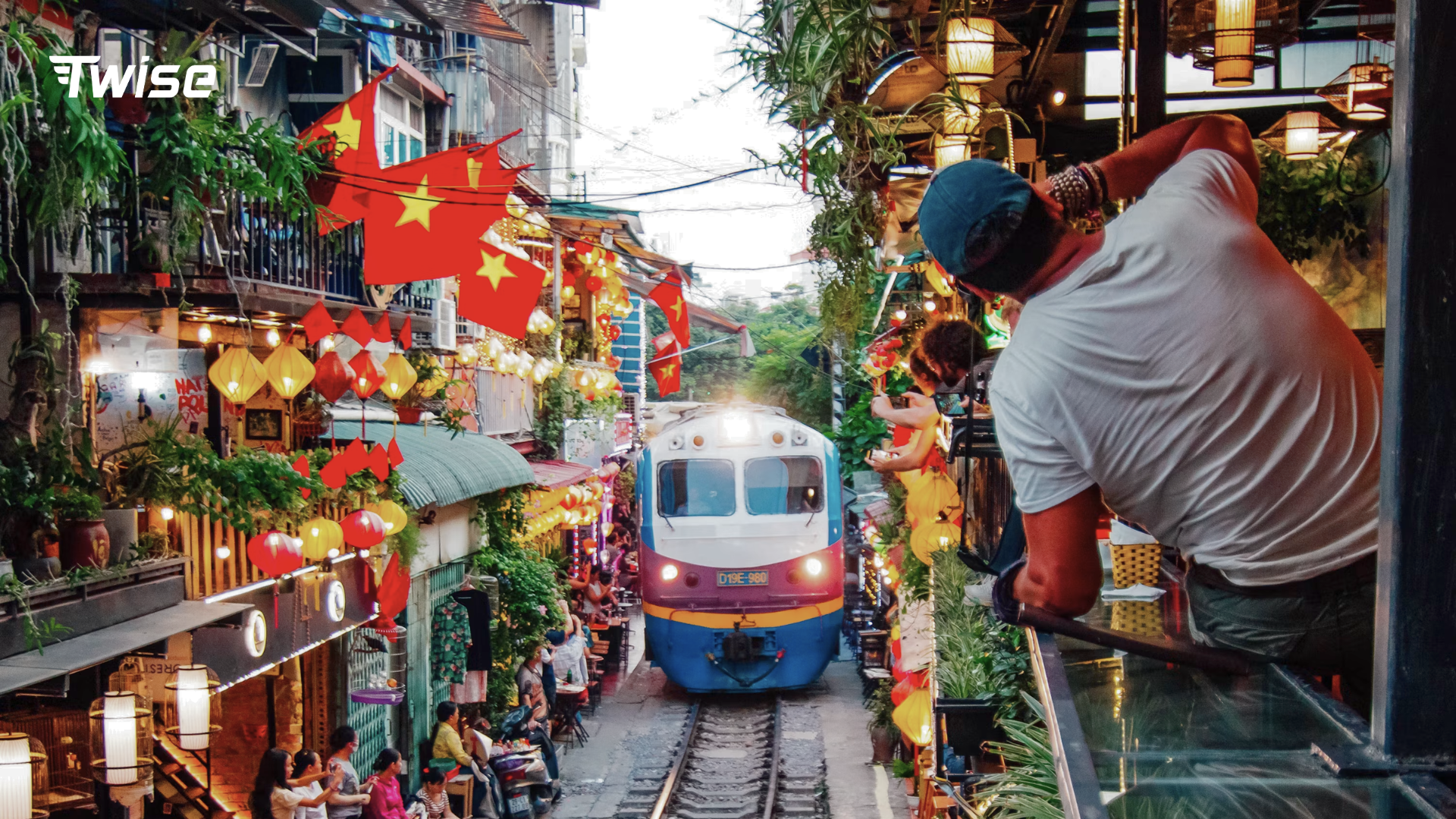
Hanoi, Ninh Binh, Hue, Da Nang, Hoi An, and Ho Chi Minh City are useful first stops because they have well-established tourism infrastructure, multiple accommodation styles, ride-hailing, frequent tours, English-language booking support, and many casual food options. They also allow travelers to build confidence before adding overnight buses, mountain roads, or remote stays.
Social solo destinations
Hanoi Old Quarter, Sapa, Ha Giang group tours, Hoi An, Da Lat, and hostels in Ho Chi Minh City make it easier to meet people. Social interaction usually happens through walking tours, food tours, cooking classes, trekking groups, canyoning trips, hostel dinners, cruises, and shared transport rather than spontaneous conversation alone.
Adventure destinations that need more planning
Ha Giang, Sapa, Phong Nha, Cat Ba, the Mekong Delta, and rural mountain routes reward extra planning. Check weather, road conditions, tour safety standards, pickup points, arrival times, and mobile coverage. A guided trip or reputable transfer is often the better choice when the route includes mountain roads, caves, boats, or late rural arrivals.
Destination fit table
| Destination | Best for | Solo difficulty |
| Hanoi | Culture, food, tours, hostels | Beginner-medium |
| Ninh Binh | Nature, day trips, cycling | Beginner |
| Sapa | Trekking, homestays | Medium |
| Ha Giang | Mountain loop, social tours | Medium-high |
| Hue | History, slower pace | Beginner |
| Da Nang | Beach, easy base | Beginner |
| Hoi An | Walkable old town, food and classes | Beginner |
| Da Lat | Adventure, cafés, cool weather | Beginner-medium |
| Nha Trang | Beach and nightlife | Medium |
| HCMC | Museums, food, nightlife, Mekong access | Beginner-medium |
| Mekong Delta | River life, day tours | Medium |
Best First-Time Solo Vietnam Routes
7-day beginner route
Hanoi → Ninh Binh → Hoi An/Da Nang. This route combines food and culture in Hanoi, a manageable nature stop in Ninh Binh, and a more relaxed central base. Fly from Hanoi to Da Nang if time is limited, then use Hoi An or Da Nang as the final base rather than adding another long transfer.
10-day north-to-central route
Hanoi → Ha Long/Cat Ba or Ninh Binh → Hue → Hoi An/Da Nang. The route balances scenery, history, beach access, and social day tours. Keep one flexible day because boat schedules, rain, or long transfers can affect the order.
14-day classic route
Hanoi → Sapa or Ha Giang → Ninh Binh → Hue → Hoi An/Da Nang → Ho Chi Minh City. This route suits travelers comfortable with several hotel changes and a mix of flights, trains, and guided transfers. Choose either Sapa or Ha Giang unless mountain travel is a major priority; doing both can create transfer fatigue.
Comfort route
Hanoi → Da Nang/Hoi An → Ho Chi Minh City using domestic flights and GrabCar. This is a strong option for solo travelers who want less overnight transport, predictable arrival times, easier luggage handling, and more energy for city days.
Adventure route
Hanoi → Ha Giang guided loop → Sapa/Ninh Binh → Phong Nha → Hoi An. Build in recovery days and avoid non-refundable same-day connections after mountain or cave trips. Weather, road conditions, and tour delays can make tight sequencing risky.
Solo Transport in Vietnam: Grab, Trains, Buses, Flights and Motorbikes
Grab for city rides
The official Grab Vietnam transport information explains that users can see fare information, driver details, estimated arrival time, and live driver tracking in the app. Grab also provides trip-sharing features. Confirm the number plate and driver before boarding, and compare the pickup pin with the actual airport or hotel entrance.
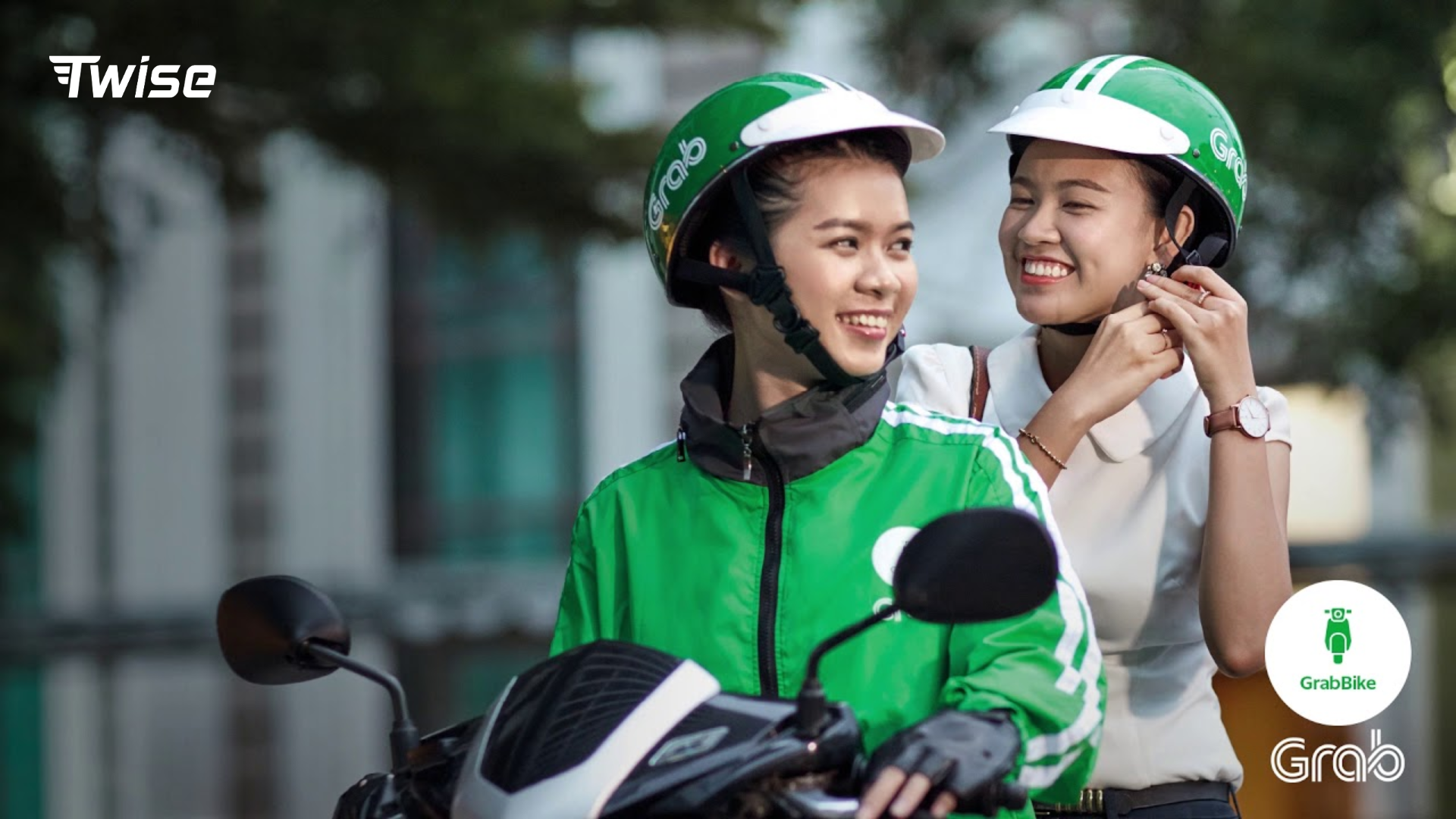
GrabBike vs GrabCar
| Option | Best for | Avoid when |
| GrabBike | Short city hops and low cost | Luggage, heavy rain, late night, or nervous riders |
| GrabCar | Airport trips, luggage, night rides, and comfort | Very short trips in heavy traffic when budget is tight |
| Official taxi | Airports, hotels, and app failure | Unclear fare, unofficial driver, or unmatched vehicle |
| Walking | Short central areas | Phone exposed near traffic or poor sidewalks |
Trains for scenic and calmer travel
Vietnam’s north-south railway connects Hanoi and Ho Chi Minh City across roughly 1,726 kilometers. Trains are slower than flights but can feel calmer than buses for travelers who prefer assigned berths, stations, and the ability to move around. Check whether the arrival station is central, keep valuables close, and save the ticket offline.
Buses and limousine vans
Bus and limousine-van platforms make popular routes easy to compare, but the operator, vehicle, pickup location, and drop-off point matter more than the marketplace logo. Read recent reviews, confirm whether the seat is a normal seat, recliner, cabin, or shared berth, and avoid rural drop-offs in the middle of the night unless a hotel transfer is confirmed.
Domestic flights
Domestic flights are often the simplest choice for Hanoi–Da Nang, Da Nang–Ho Chi Minh City, and Hanoi–Ho Chi Minh City. Compare baggage allowances, airport distance, check-in deadlines, and the cost of reaching the airport. A low base fare may become less attractive after luggage, seat, and transfer fees.
Motorbike rental and legal reality
Australian Government travel advice states that travelers need a valid Vietnamese driver’s licence to drive or ride motorcycles of 50cc or more. Insurance may not cover an unlicensed rider. Inexperienced solo travelers should not rent a motorbike simply because motorbikes are common. A guided easy-rider tour or car transfer can provide the scenery without requiring you to manage unfamiliar roads and legal risk.
Apps Solo Travelers Should Install Before Vietnam
Essential app stack
| Need | App |
| Ride-hailing | Grab |
| Backup ride-hailing | Xanh SM / Be where available |
| Maps | Google Maps |
| Translation | Google Translate |
| Bus/train booking | Vexere |
| Flights | Airline apps |
| Accommodation | Booking / Agoda / Hostelworld |
| Communication | WhatsApp / Zalo / email |
| Food delivery | GrabFood / ShopeeFood depending area |
| Mobile data | Twise eSIM setup |
Set up apps before landing
Register accounts, add a payment card where supported, save the first hotel address, download an offline city map, and install mobile data before departure if the product instructions allow. Some apps require SMS or email verification, and these steps are harder when airport Wi-Fi is crowded or your home number cannot receive a code.
App failure backup
If Grab fails, ask the hotel or airport desk for an official taxi. If a bus pickup is unclear, message the operator and your accommodation rather than walking around with luggage. If maps fail, use offline screenshots and the Vietnamese address. Every essential app should have a non-app fallback.
Internet and eSIM for Solo Travel in Vietnam
Why solo travelers need reliable data
- Live maps and route changes.
- Grab booking, driver tracking, and trip sharing.
- Hotel, hostel, tour, and transport messages.
- Translation and address searches.
- Bus and train pickup details and e-tickets.
- Weather checks and rebooking.
- Emergency contacts and location sharing.
- Banking, card verification, and payment troubleshooting.
eSIM vs physical SIM vs pocket Wi-Fi
| Option | Best for | Tradeoff |
| eSIM | App-first solo travelers | Phone must support eSIM and be carrier-unlocked |
| Physical SIM | Travelers wanting a local SIM option | Airport or shop setup time |
| Pocket Wi-Fi | Groups or laptop use | Carry, charge, and return a separate device |
| Roaming | Convenience with no setup | Can be expensive or capped |
Twise positioning
A Twise eSIM helps first-time solo travelers get online quickly for Grab, maps, translation, hotel messages, Vexere tickets, and route changes. Choose the plan according to trip length, expected data use, hotspot needs, activation rules, and whether the product is data-only.
Keep home SIM for OTP if needed
If banking, airline, or booking apps may send verification messages, keep access to the home number where possible. Turn data roaming off on the home SIM, select the travel line for mobile data, and check whether incoming calls or SMS are chargeable under the home carrier’s rules.
First 90 Minutes in Vietnam: Solo Arrival Checklist
Before leaving airport Wi-Fi
- Confirm the eSIM or mobile data works with Wi-Fi switched off.
- Open Grab and check the correct airport pickup area.
- Save the hotel address in Vietnamese and English.
- Load the route to the hotel.
- Confirm card or cash payment.
- Withdraw a reasonable amount of cash if needed.
- Message the hotel with the arrival estimate.
- Enable location sharing or notify someone you trust.
Airport transfer options
Use Grab, an official airport taxi, a hotel pickup, or a pre-booked transfer. The best option depends on the airport, arrival time, luggage, and hotel location. At large airports, the app pickup point may be on a designated floor or lane rather than directly outside arrivals.
Avoid tired negotiation
A late-night arrival is not the best time to bargain with an unknown driver or search for the cheapest possible route. Choose the simplest verified option, reach the hotel, and optimize costs the next day when you are rested and oriented.
What to do if data fails
Stay on airport Wi-Fi, check the selected data line, roaming requirement, and activation steps, then contact support. If the connection cannot be fixed quickly, ask the hotel to arrange a transfer or use the official taxi counter. Save the hotel address before leaving Wi-Fi.
Solo Safety Tips That Actually Matter in Vietnam
Phone safety in traffic
Do not hold a phone loosely while standing beside moving traffic. Step into a shop entrance, lobby, or position away from the curb before checking maps. In a car or motorbike taxi, avoid extending the phone outside the vehicle for video.
Cross streets predictably
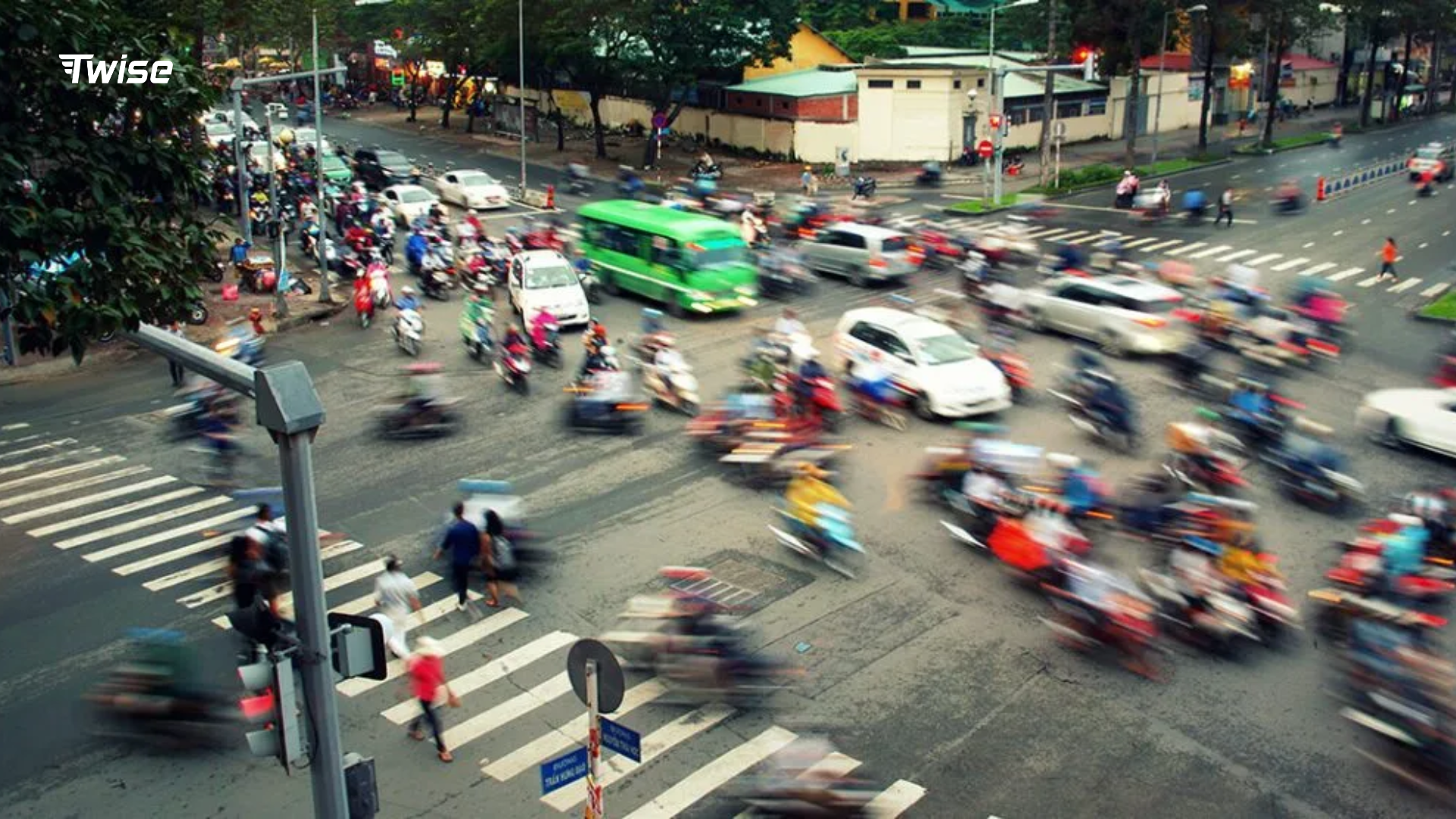
Use crossings where available, watch both directions, and move at a slow, predictable pace. Do not run into traffic or stop suddenly in the middle of a lane. Follow local pedestrians when possible, but do not assume every rider will yield.
Choose accommodation by location, not only price
A slightly more expensive central hotel or hostel can reduce late-night transport, confusing alleys, and early pickup problems. Check recent reviews, walking access, reception hours, neighborhood noise, stairs, lockers, and the route from the airport or station.
Keep cash organized
Vietnamese dong notes have large numbers and some colors can look similar in poor light. Separate smaller notes from 200,000 and 500,000 dong bills, count change before leaving, and avoid opening a full wallet at a busy roadside stall.
Plan night transport before drinking or nightlife
Save the hotel address, check the phone battery, set aside ride money, and plan to use GrabCar or hotel-arranged transport. Do not wait until the venue closes to discover that mobile data, battery, or card payment is unavailable.
Share route and booking details
Send transport operator details, accommodation, and major route changes to someone you trust. Use live trip sharing for ride-hailing when appropriate. Solo travel does not require constant reporting, but a simple arrival message creates a useful safety check.
Solo Female Travel in Vietnam: Practical Considerations
Vietnam can be comfortable for solo female travelers
Many women travel independently through Vietnam on established routes. The most useful precautions are the same practical habits that help all solo travelers: central stays, verified transport, secure phone handling, clear pickup points, weather awareness, and a working way to contact accommodation or support.
Choose central stays and social accommodation
A well-reviewed hostel, boutique hotel, or guesthouse can reduce isolation and provide local help with transport, tours, laundry, clinics, and food. Social accommodation does not have to mean a party hostel; look for common areas, organized activities, and 24-hour or late reception.
Transport choices at night
Use GrabCar or hotel-arranged transport if a pickup point, driver, weather, or neighborhood feels unclear. Confirm the vehicle and plate before boarding. A motorcycle ride may be faster, but a car can be the better choice at night, in rain, or with luggage.
Clothing and local context
Dress for heat, humidity, rain, walking, temples, and motorbike safety rather than for moral judgment. Carry a light layer for religious sites and air-conditioned transport, practical shoes for uneven pavements, and a rain layer during wet periods.
Trust friction, not panic
If a pickup location, route, payment request, driver, or tour arrangement becomes confusing, pause. Step into a staffed business, message the hotel, or ask the hostel or tour desk to confirm. Small inconsistencies are a reason to verify, not a reason to assume disaster.
Meeting People While Traveling Alone in Vietnam
Social accommodation
Hostels, boutique hostels, homestays, and guesthouses with common areas make conversation easier. Look for properties that offer family dinners, walking tours, cooking classes, rooftop spaces, or organized day trips. Read reviews to distinguish a genuinely social property from one that is simply noisy.
Group tours that work well solo
- Street food tours.
- Cooking classes.
- Ha Long Bay or Cat Ba cruises.
- Ninh Binh day tours.
- Sapa trekking.
- Ha Giang guided loops.
- Mekong Delta tours.
- Da Lat canyoning or outdoor tours.
How to balance social and solo time
Use group activities for remote destinations, transfer-heavy days, or experiences that benefit from a guide. Keep city days flexible so you can rest, explore alone, or join people you meet. Booking every day as a group tour can remove the independence that made solo travel appealing.
Food, Money and Daily Life Alone in Vietnam
Eating alone is easy
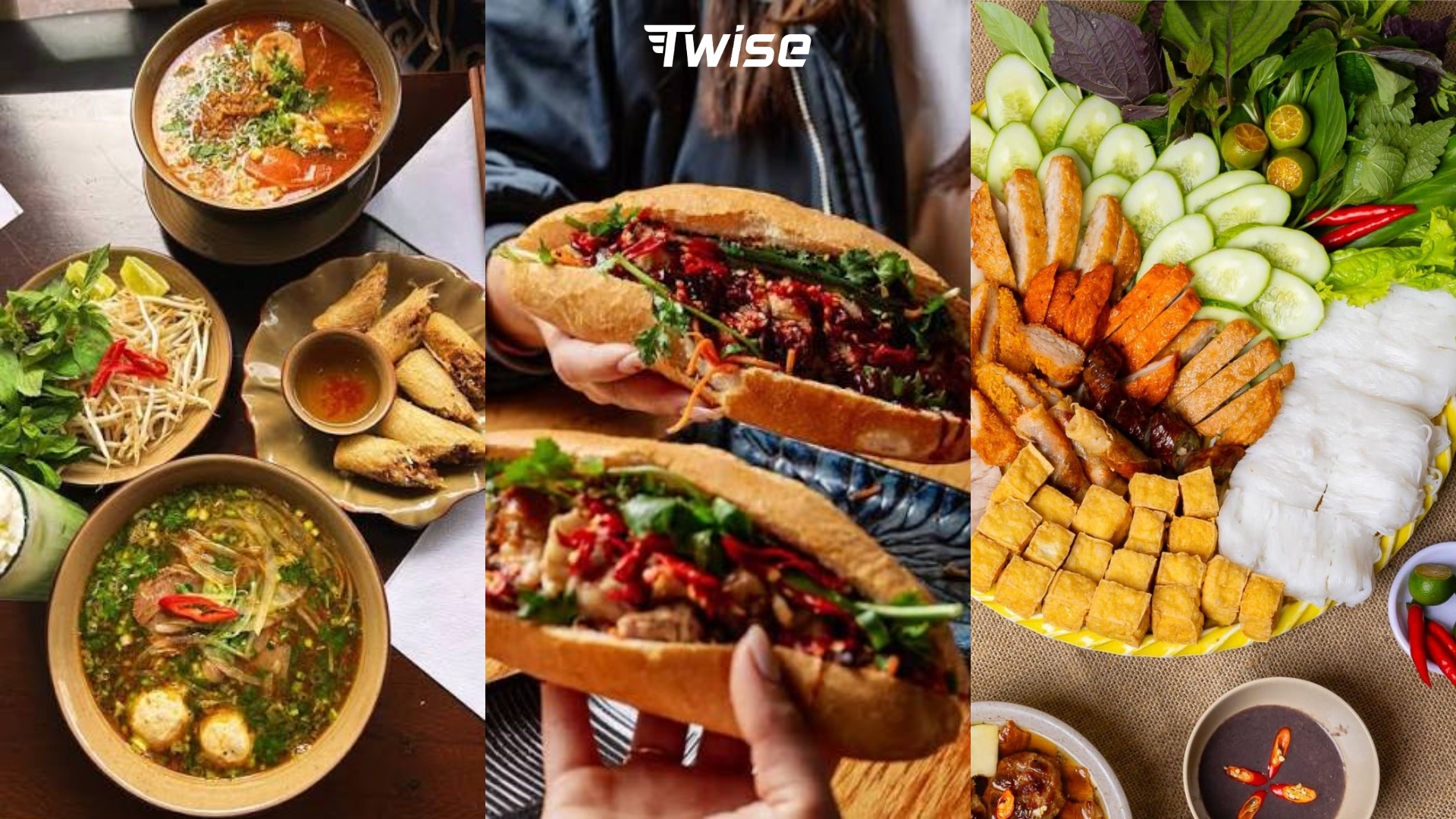
Street-food stalls, noodle shops, cafés, casual restaurants, and food courts make solo meals normal. Counter seating and small tables are common. A busy stall can feel easier than a formal restaurant because ordering is fast, visual, and focused on one or two dishes.
Ordering without Vietnamese
Use menu photos, translation, pointing, and short phrases. Confirm the number of portions and price before ordering at informal stalls. For allergies or dietary restrictions, carry a clear Vietnamese translation and choose places where ingredients can be explained reliably.
Cash and card
Small vendors, local markets, and some transport still prefer cash, while hotels and larger bookings commonly accept cards. Keep small notes handy, use bank ATMs in secure locations, check withdrawal fees, and maintain a backup card separate from the primary wallet.
Laundry, pharmacy and convenience needs
Use maps and translation to find laundry services, pharmacies, convenience stores, and clinics. Ask accommodation staff for a trusted option when medicine, electronics repair, or an urgent service is needed. Save photos of labels and instructions when language may become a problem later.
Weather, Seasons and Route Timing for Solo Travelers
Vietnam weather varies by region
Northern, central, and southern Vietnam do not share one simple dry or rainy season. Hanoi can be cool while Ho Chi Minh City is hot; central coastal areas can face different rain and storm patterns. Check each destination rather than using one national forecast.
Weather affects solo transport
Heavy rain makes GrabBike less comfortable, can slow mountain roads, delay buses and flights, affect boats, and change beach plans. Heat also affects walking, hydration, and battery life. Choose transport that fits the conditions rather than following the cheapest option automatically.
Build flexible days
Avoid placing a non-refundable flight or major tour immediately after a long sleeper bus, mountain loop, or ferry. A spare half-day or flexible night protects the rest of the route when weather, road conditions, or fatigue changes the plan.
Connectivity helps with changes
Mobile data lets solo travelers rebook, compare routes, message hotels, check transport updates, share a new arrival time, and find a safe waiting place. Offline screenshots help when coverage drops, but they cannot reflect live disruption.
What to Book Before Traveling Alone to Vietnam
Book before arrival
- First-night hotel in a central, reviewed area.
- Mobile data or a clear SIM/pocket Wi-Fi plan.
- Airport-to-hotel route or transfer.
- First city route and arrival instructions.
- Long-distance bus or train during peak dates.
- Ha Giang, Sapa, Ha Long, or other capacity-limited tours.
- Travel insurance appropriate for planned activities.
- Key apps, accounts, and payment methods.
Can wait until arrival
- Local meals and cafés.
- Some city walking tours.
- Shopping and markets.
- Short Grab rides.
- Flexible beach days.
- Neighborhood exploration and casual museums.
Do not leave these unresolved
- Airport-to-hotel plan.
- Mobile data or a reliable communication backup.
- First-night accommodation.
- Backup payment and accessible cash.
- Passport, visa, and current entry requirements.
- Emergency and insurance contacts.
Where Twise eSIM Fits: Connectivity as a Solo Travel Backup
Solo travelers rely on phone systems more
When traveling alone, the phone becomes the map, translator, ticket wallet, taxi tool, hotel contact, bank interface, and emergency support line. A dead battery, broken screen, or missing connection therefore affects more than entertainment. Carry power, save key details offline, and avoid keeping every booking in one inaccessible app.
Twise eSIM positioning
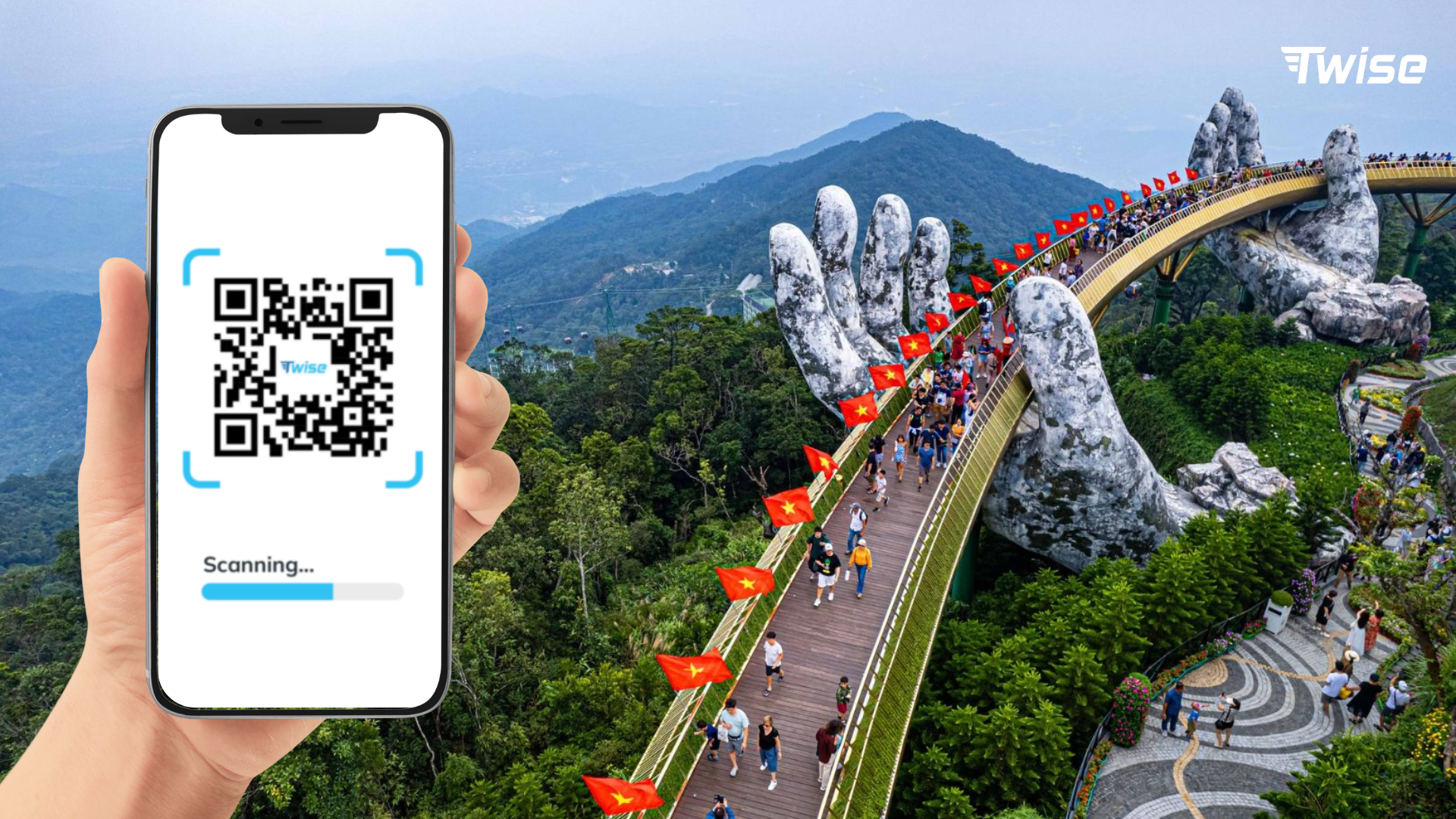
A travel eSIM supports real-world solo travel tasks in Vietnam: Grab, Google Maps, translation, hotel messages, Vexere tickets, ride tracking, location sharing, and route changes. The value is not that mobile data removes every problem, but that it gives a solo traveler more ways to verify and recover.
Pair eSIM with offline preparation
- Install the eSIM before departure if activation rules allow.
- Save the QR code and setup guide securely.
- Download offline maps.
- Save the hotel address and first route.
- Install Grab and Vexere.
- Test mobile data after landing before leaving airport Wi-Fi.
Useful Twise internal links
Before purchasing, review device compatibility, carrier-lock status, activation timing, data-saving settings, and the expected data needs of maps, ride-hailing, messaging, and video. These checks are easier before travel than at an airport pickup zone.
Solo Vietnam Setup Checklist Before Departure
- Book the first hotel in a central area.
- Save the hotel address offline in Vietnamese and English.
- Install Grab and add a payment method where possible.
- Install Google Maps and download an offline map.
- Install Google Translate and save key phrases.
- Install Vexere if using buses or trains.
- Arrange eSIM, physical SIM, roaming, or pocket Wi-Fi.
- Check that the phone supports eSIM and is carrier-unlocked.
- Save passport, visa, and insurance copies securely.
- Save emergency and accommodation contacts.
- Pack a power bank and charging cable.
- Separate large and small cash denominations.
- Plan the airport-to-hotel route and backup.
- Share the main itinerary with someone trusted.
- Book the first key tour if availability is limited.
- Avoid a first-night remote arrival when possible.
Final Decision Guide: Should You Travel Alone in Vietnam?
Travel alone in Vietnam if…
You want affordable meals, flexible routes, social hostels, varied scenery, strong food culture, and a well-established tourist trail. Vietnam rewards travelers who can tolerate busy traffic and changing transport while making practical backup plans.
Start with beginner-friendly places if…
You are new to solo travel, nervous about traffic, or want easy transport. Begin with Hanoi, Ninh Binh, Hue, Da Nang, Hoi An, or Ho Chi Minh City before adding mountain roads, caves, islands, or overnight buses.
Add guided tours if…
You want Ha Giang, Sapa trekking, Ha Long Bay, the Mekong Delta, or adventure activities without handling every transfer, safety check, and local explanation alone. Choose operators with clear inclusions, current reviews, and appropriate equipment.
Add Twise eSIM if…
You want maps, rides, translation, hotel messages, bus or train tickets, and location sharing to work without relying on airport, café, or hotel Wi-Fi. Pair connectivity with offline maps, saved addresses, and a charged power bank.
FAQs About Traveling Alone in Vietnam
