

Best Time to go to Banff Canada: Weather, Crowds, Lake Access & Staying Connected
Jul
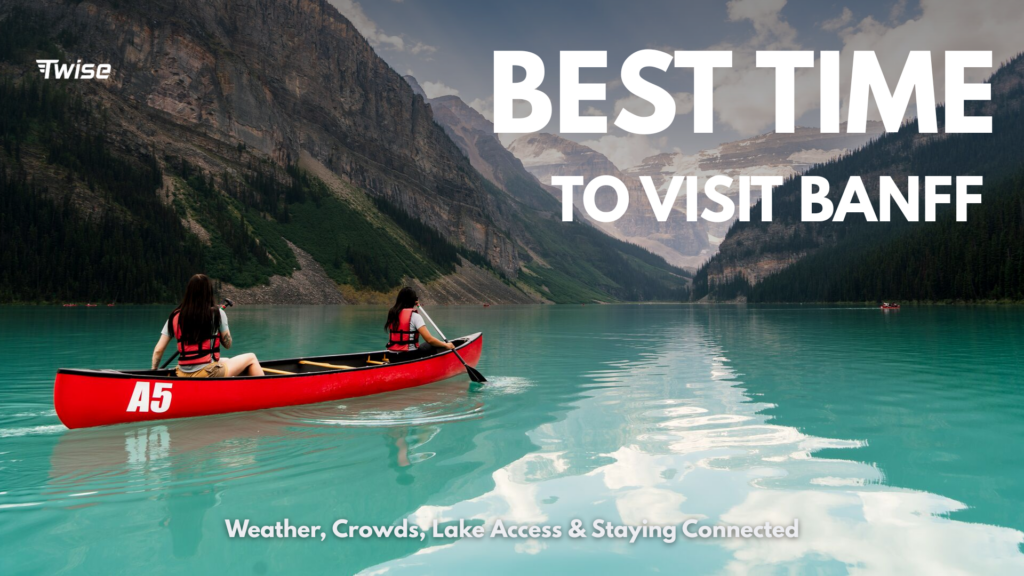
The best time to go to Banff Canada depends on what you want to access. July and August offer the warmest weather, turquoise lakes, and the best chance of snow-free high-elevation trails. September is often the strongest all-round choice because the park remains active while temperatures cool and summer crowds begin to ease. December through March is the main window for skiing, frozen-lake scenery, and dependable winter conditions.
Banff is not a city break where every attraction works the same way year-round. Shuttle seasons, lake thaw, trail snow, road conditions, daylight, and accommodation demand can change the practical shape of a trip. Connectivity also requires advance planning: mobile data is useful from Calgary onward, but no SIM or digital plan can create coverage in Banff’s true mountain dead zones.
Quick Answer – Best Time to go to Banff Canada by Travel Goal
The best time to visit Banff depends on what you want to experience. Whether you’re hoping to see the famous turquoise lakes, hike alpine trails, photograph golden larch trees, ski world-class slopes, or avoid peak-season crowds, each season offers different advantages. Use the guide below to find the ideal time for your travel goals.
| Travel Goal | Best Time |
| Turquoise lakes | Late June-September |
| Warmest weather | July-August |
| High-elevation hiking | July-September |
| Moraine Lake access | June 1-October 12 (2026 shuttle season), reservation required |
| Larch season | Mid-September-early October |
| Fewer crowds | May, early June, late September, October |
| Skiing | December-March |
| Budget travel | April, May, November, early December |
Banff by Season & Month at a Glance
The central tradeoff is access. Early spring can be excellent value, but many high trails remain snowbound and famous lakes may still be frozen. Summer unlocks the widest range of drives and hikes, yet requires the earliest reservations. September keeps much of the summer experience while reducing crowd pressure, although cold nights and early snowfall become realistic. Winter is fully viable for skiing and scenic stays, but road preparation and restricted trails matter more than a flexible sightseeing list.
| Period | Weather & Access | Watch Out For |
| Jun-Aug | Peak lake colour, full trail access | Crowds, parking, shuttle reservations essential |
| Sep-early Oct | Cooler, larch colour, fewer crowds | Early snow possible, nights get cold |
| Nov-Mar | Skiing, frozen lakes, alpine scenery | Winter driving, some roads/trails restricted |
| Apr-May | Waterfalls, wildlife, lower prices | Higher trails/lakes still snowy or muddy |
Best Time to Visit Banff by Activity
Lake Louise and Moraine Lake
For the strongest turquoise colour, plan from late June through September. Lake thaw is not a fixed calendar event, so late-May or early-June visitors should expect partial ice, cold shorelines, or changing access. Moraine Lake is reached by shuttle, transit, or an approved commercial operator rather than a personal vehicle.
Hiking
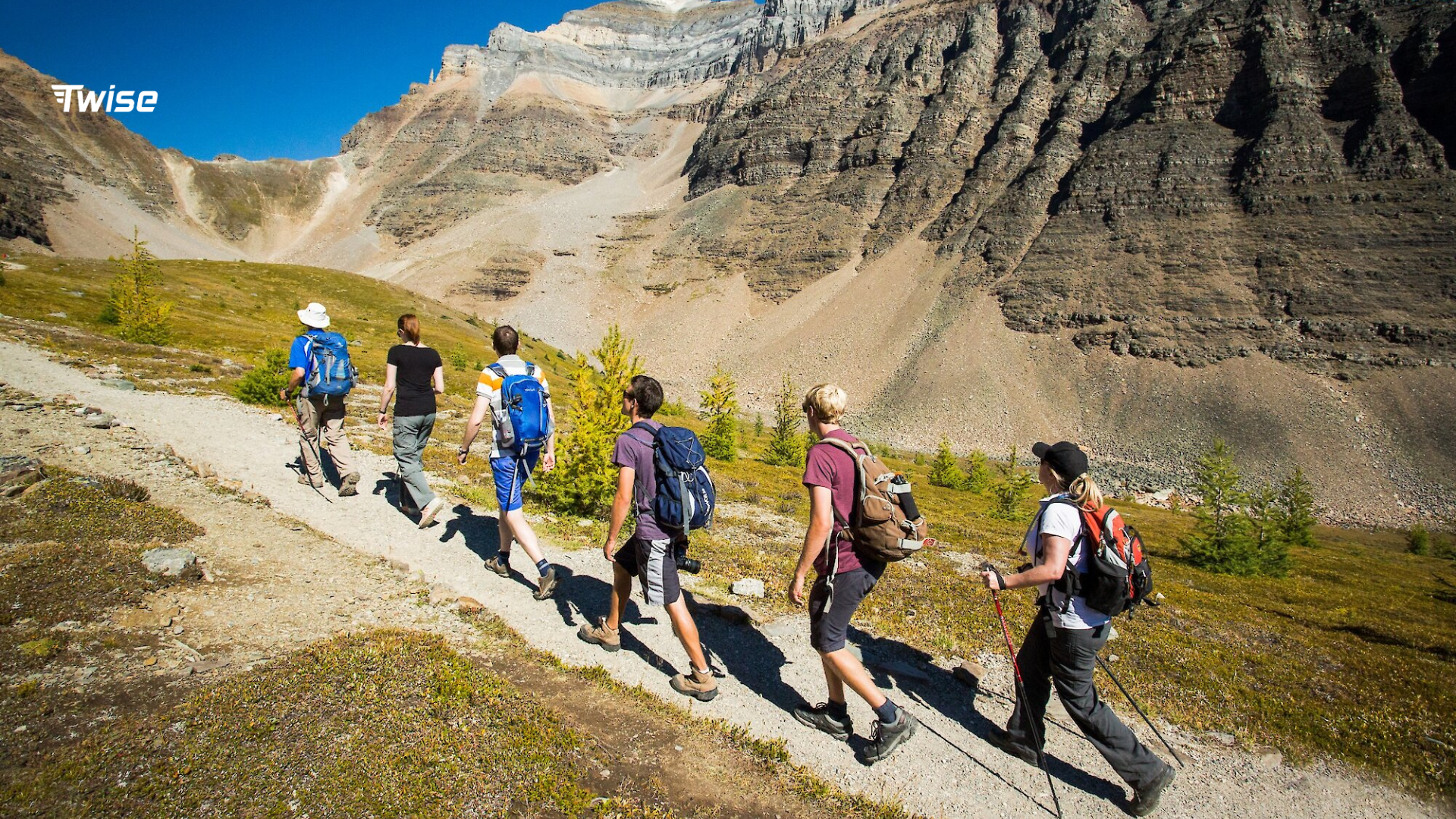
July through September is the most dependable period for high-elevation hiking. Parks Canada notes that mountain passes can remain snowbound until late June, and snow is still possible at elevation during summer. In September, trails are often drier, but temperatures fall and snowfall risk increases.
Larch season
Mid-September to early October is the usual target for golden larches, especially around Larch Valley. The colour window is brief and weather-sensitive, so build a flexible day into the itinerary and check trail conditions rather than assuming a particular weekend will be at peak colour.
Skiing
December through March is the safest planning window for a ski-focused trip. Christmas, New Year, and selected school-holiday periods can still be expensive and busy, while January and early February may offer colder conditions with better non-holiday value.
Icefields Parkway
Late June through September provides the most straightforward sightseeing conditions and seasonal services. The official Icefields Parkway guidance states that the route has no cell coverage, only one gas station across 232 km, and limited seasonal amenities, so offline preparation is part of the drive rather than an optional extra.
Wildlife
Wildlife can be seen year-round, but spring and autumn often align with active animals and lighter visitor pressure. Sightings are never guaranteed. Keep legal distances, stay inside the vehicle during roadside encounters, and avoid building a schedule around a specific species.
Banff Crowds – When It’s Busy and Why
Banff is busiest from late June through August, but the real friction comes from concentrated access points rather than the park simply feeling full everywhere. Lake Louise parking, Moraine Lake shuttles, popular trailheads, Banff Avenue, and short signature viewpoints absorb a large share of demand at similar times each day.
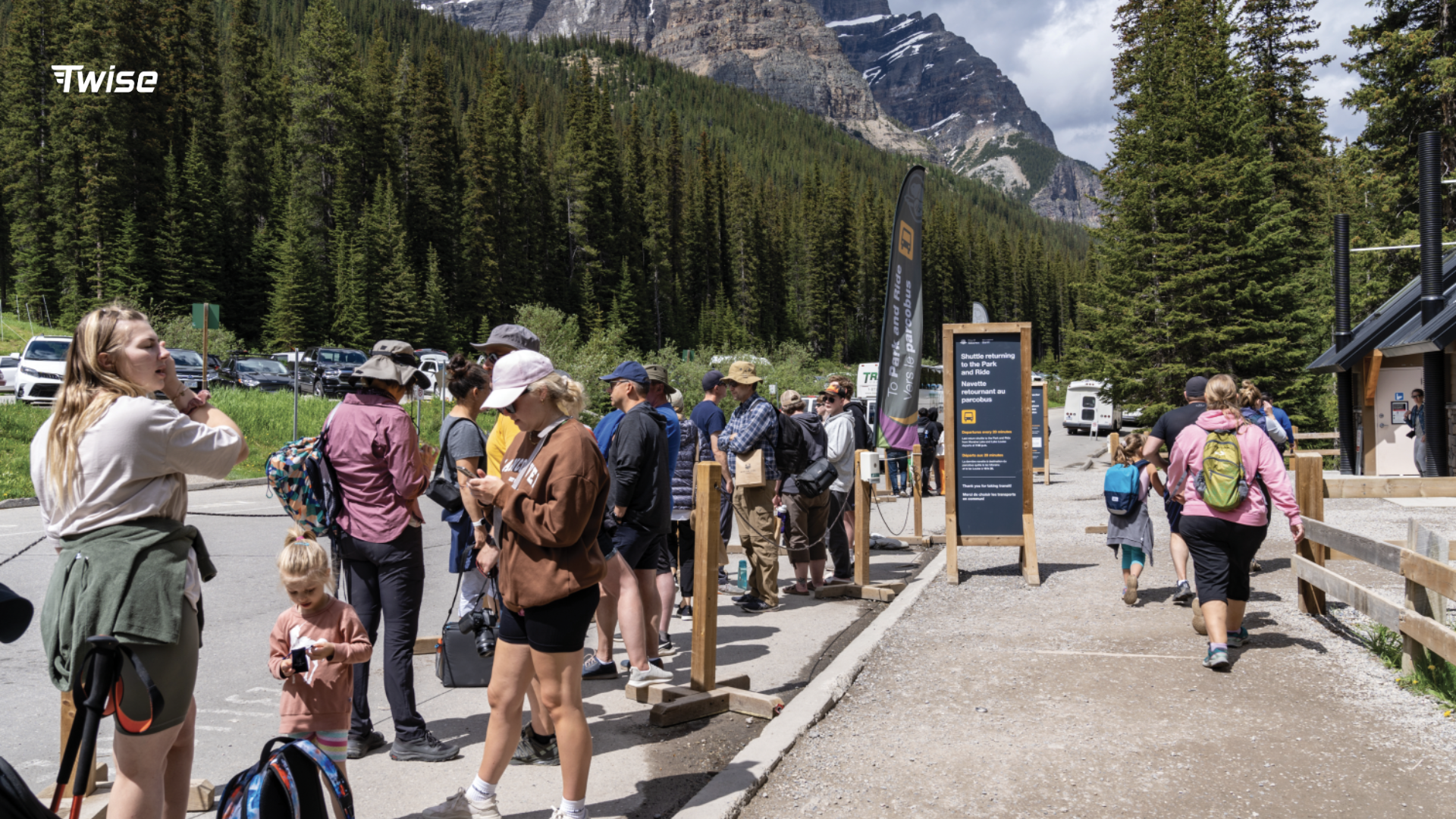
Moraine Lake is especially important because personal vehicles are not permitted. Capacity is managed through shuttles, public transit, and commercial operators, so a sold-out departure can affect the itinerary even when the road itself is open. Lake Louise offers more transport options, but parking can fill early and paid spaces do not guarantee a relaxed arrival.
- Peak summer: Book accommodation, shuttles, and headline activities before filling the rest of the itinerary.
- September: Expect easier movement than midsummer, but larch weekends can create sharp local spikes.
- Christmas and ski holidays: Crowds concentrate in Banff town and around ski areas rather than at summer trailheads.
- Shoulder months: May, early June, late September, October, and November can be quieter, but access is less predictable.
Maps, Navigation & Getting to Moraine Lake
Why Banff isn’t city travel
In a city, a temporary loss of signal is inconvenient. In Banff, it can happen while you are between services, approaching a trailhead, or driving a long mountain corridor. Route choices therefore need to be saved before departure, and each traveler should know the next fuel, food, washroom, and turnaround point without depending on a live map refresh.
Moraine Lake access specifics for 2026
Personal vehicles are not permitted on Moraine Lake Road. The Parks Canada Lake Louise and Moraine Lake page explains the available shuttle and transit options and warns that Moraine Lake has no cell service or Wi-Fi; cellular reception is roughly 5 km down the road. For 2026, Roam Transit lists its summer reservation window from June 1 through October 12.
A reservation, accessibility placard, rental vehicle, or early arrival does not create a personal-vehicle exception. Travelers need a shuttle, public transit connection, or commercial operator and should save tickets offline before leaving reliable service.
Roam Transit vs. Parks Canada shuttle vs. rental car
Use Roam Transit reservations when you want to start from Banff and avoid driving to Lake Louise. Use a Parks Canada shuttle when you can reach the Lake Louise Park and Ride and want a managed visit to one or both lakes. A rental car remains useful for Banff town, Canmore, trailheads, and scenic corridors, but it cannot be driven to Moraine Lake.
| Option | Best When | Operational Detail |
| Roam Transit | Starting in Banff without a car | Reserve the correct pass; Moraine Lake access depends on the product selected |
| Parks Canada shuttle | Driving to the Park and Ride | Check in during the assigned window and keep the reservation available offline |
| Rental car | Flexible scenic drives and dispersed stops | Useful elsewhere, but not permitted on Moraine Lake Road |
Offline maps
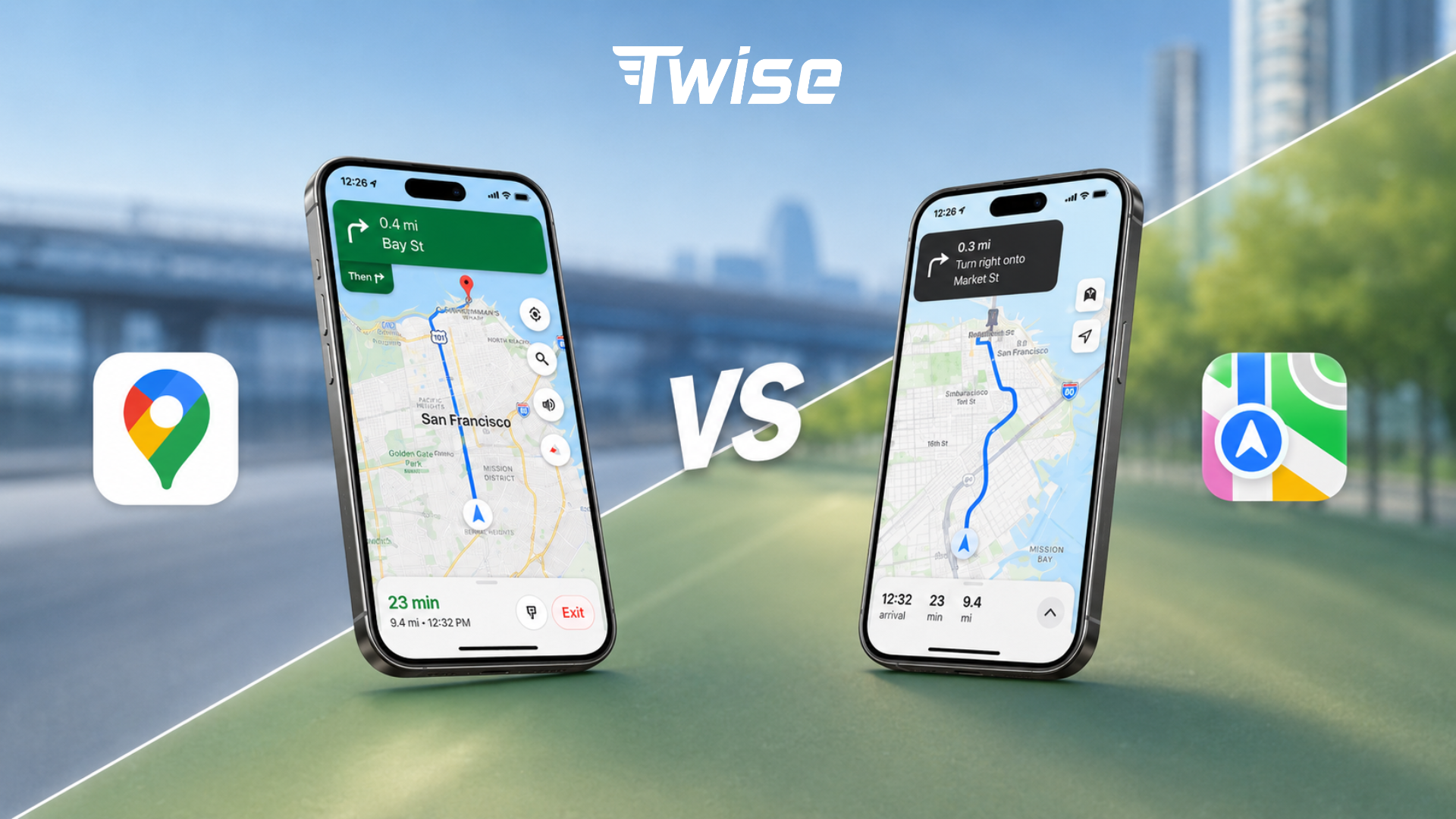
Before leaving Calgary, Banff, or Canmore, download the full Banff-Lake Louise area in Google Maps or Apple Maps, save the hotel and shuttle check-in point, and keep a screenshot of the day route. For the Icefields Parkway, download the official route map and any trail PDFs. Offline navigation helps with positioning, but it does not replace closures, wildfire notices, avalanche bulletins, or current road reports checked before departure.
Staying Connected in Banff – eSIM, Roaming, and Real Dead Zones
Why mobile data matters here
Reliable data is most useful before the mountains remove it. Travelers commonly need connectivity to message an accommodation after landing at Calgary International Airport, open the airport-to-hotel route, confirm a shuttle or rental pickup, check weather and road alerts, and retrieve tickets before reaching a low-signal area.
A pre-installed travel eSIM can reduce arrival friction because the plan can be ready before leaving the airport. It is most valuable in Calgary, Canmore, Banff town, and covered highway sections – not as a promise of continuous service deep inside the park.
Why mobile data alone isn’t enough
No eSIM or SIM can create signal in mountain dead zones such as Moraine Lake, the Icefields Parkway, or many trailheads. This is a physical network limitation, not a plan-quality issue. Twise should state that clearly: buy connectivity for the places where networks exist, then prepare offline tools for the places where they do not.
- Download maps, reservations, trail PDFs, and hotel details before leaving coverage.
- Keep a power bank and charging cable accessible rather than packed under luggage.
- Tell someone the planned route and return time for remote hikes or winter drives.
- Use a satellite communicator for serious backcountry travel where emergency contact matters.
Connectivity options compared
| Option | Best For | Cost | Setup Time | Drawback |
| Twise Canada eSIM | Data from Calgary Airport onward | Check current Twise Canada plan price | ~5 min, before departure | No signal in mountain dead zones |
| Roaming on home plan | Convenience if included | Varies by carrier; daily fees may apply | None | Can be expensive or capped |
| Local SIM | Longer Canada trips or local-number needs | Varies by operator and package | Buy after arrival | Requires purchase and setup after landing |
| Offline maps | Dead zones and remote routes | Free | Must download in advance | Not a connectivity substitute |
Before You Go — Pre-Trip Checklist for Calgary → Banff
1–2 weeks out
- Choose the season based on the access that matters most: turquoise lakes, high trails, larch colour, or skiing.
- Book accommodation and any fixed-access activities before building a detailed daily route.
- Reserve Moraine Lake transport and confirm where the service starts, where you check in, and which lakes are included.
- Check phone compatibility and install a Canada data plan while stable Wi-Fi is available.
24 hours out
- Screenshot the hotel confirmation, shuttle reservation, QR code instructions, and Calgary-to-Banff route.
- Download offline maps for Calgary, Canmore, Banff, Lake Louise, and the Icefields Parkway if relevant.
- Save trail PDFs and confirm closures, weather, wildfire information, road conditions, and daylight.
- Charge the phone and power bank, and place winter or hiking essentials where they are immediately accessible.
After landing
Connect to mobile data before leaving Calgary Airport, confirm the shuttle or rental-car pickup, and test navigation. Open the offline map once so you know it is stored locally. When using a Twise eSIM, verify the correct data line and roaming settings before driving west, where troubleshooting options become less convenient.

FAQs
September is often the best overall month because Lake Louise and Moraine Lake are normally accessible, many trails remain open, and crowd pressure is lower than in July or August. Choose midsummer for maximum warmth and winter for skiing.
Yes. September can provide mild daytime sightseeing, accessible lakes, drier hiking conditions, and larch colour later in the month. Pack for cold nights and be prepared for early snow at elevation.
The 2026 summer transit season runs from June 1 through October 12 for Roam reservation products. Personal vehicles are not permitted, and high demand makes an advance reservation the practical choice. Always confirm the selected service and boarding point.
April, May, early June, late September, October, November, and early December are generally quieter than peak summer. The tradeoff is reduced trail, lake, road, or attraction access depending on snow and seasonal operations.
July through September is best for high-elevation hiking, while lower trails may be usable earlier. December through March is the most dependable skiing window. Always check current trail, avalanche, and road conditions.
It works in Banff town and many developed or covered areas, but coverage is not reliable throughout the park. Moraine Lake, the Icefields Parkway, campgrounds, valleys, and trailheads may have no service.
Yes. Installing and checking the plan on reliable Wi-Fi before departure makes airport arrival easier and avoids troubleshooting while moving. Activate according to the plan instructions and download offline backups before leaving Calgary.
Related Articles
- Best App for Traveling to Canada 2026 — arrival, transit, weather, and navigation apps for Canadian trips.
- Is Canada Safe to Visit? — practical safety, emergency, road-trip, and connectivity planning.
